Mission to Kenya 2026 | Kisii, Kenya | 24 July – 6 August, 2026
by Kennesha M. Walker
By the time I prepared to travel to Kisii, I had already spent several weeks in Kenya serving in two other locations. Each place had given me a different experience, introduced me to different people, and allowed me to support work that was already taking place. I had learned a great deal along the way, and I was carrying those experiences with me as I prepared to enter the final two weeks of Mission to Kenya 2026.
Kisii felt different before I even arrived. I knew I would be spending my remaining time there, but I did not fully know what those two weeks would hold or what my role would become once I was there. I also knew there was something about my connection to the people in Kisii that I needed to understand more clearly. I did not want to decide what that connection meant before I had actually lived the experience, and I did not want to assume a role God had not given me.
Over those two weeks, I found myself serving in several ways. I preached, participated in ministry, spent time with the children through music, visited schools, joined conversations with ministry leaders, and listened as young people shared more about their lives. At other times, I was the person learning, whether through language, relationships, or simply paying attention to what was happening around me.
What I did not expect was how much being served would become part of my own experience. As the days continued, I began noticing the ways people made room for me, helped me become comfortable, and paid attention to what I needed. Those experiences would eventually cause me to look more closely at my own understanding of service and what it meant to receive from others as freely as I was willing to give.
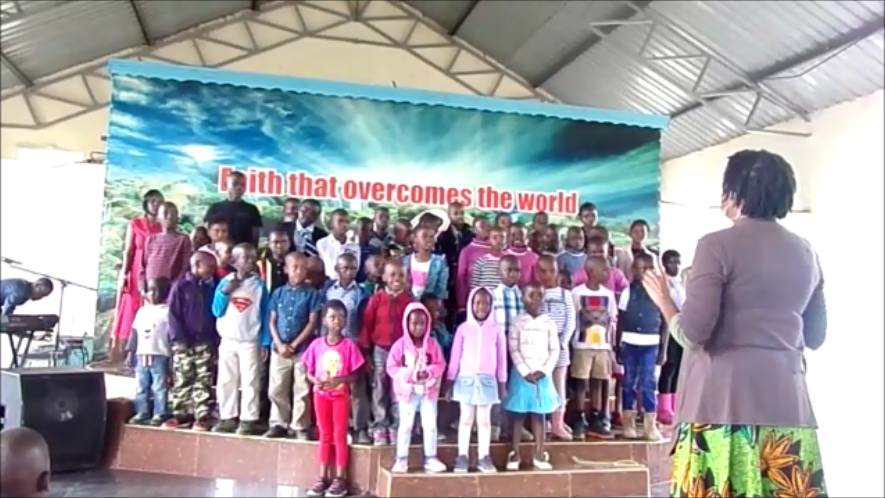
After settling her luggage inside, Kennesha returned outside to listen as the children continued their welcome with a medley of songs.
Entering Kisii Without Knowing the Full Assignment
Even the journey to Kisii began with me letting go of one of my own plans. I had originally arranged for someone very dear to me to drive me there. He had already made himself available if I needed transportation, so traveling with someone I trusted was how I expected that part of the trip to happen. Plans changed when I learned that Pastor Joseph’s brother and his son were also traveling to Kisii and that a driver would already be taking them. Since we were going in the same direction, there was no need for me to arrange a separate vehicle, and I traveled with them instead.
The drive took somewhere between six and eight hours. I arrived in Kisii on Friday, July 24, and rested before the ministry activities began. As I settled into the compound, I began noticing how much preparation had already taken place before I ever arrived.
Several houses on the property were used by the orphanage children, along with another house located farther back on the compound. I later learned that the house prepared for our stay had required a great deal of work before we came. I was told that I was among the first to really stay there and enjoy the space after that work had been completed, and hearing how much effort had gone into preparing it left me speechless. I had arrived thinking about the people I was there to support, yet before I had preached, worked with the children, or participated in ministry, someone had already taken the time to make sure I had a comfortable place to rest.
A video tour of the compound in Kisii, Kenya, showing the home’s interior living spaces and the surrounding property during my 2026 mission visit. Music: Radio Sounds Better in a Moving Truck by Gagmesharkoff is licensed under an Attribution 4.0 International License. Video by Kennesha.
Paular was also part of those first days in Kisii. She stayed with me in the house and helped me become familiar with the environment as I settled in. Our relationship developed naturally through conversation, laughter, learning about language and the people around us, and the everyday moments that came from spending time together. Her presence gave me someone I could become comfortable around while everything else was still new.
Food became another area where I began noticing the care around me. I have dietary restrictions and health concerns, along with choices connected with my faith, and I knew the way I eat could require adjustments from the people preparing meals. Explaining what I could and could not eat made me feel vulnerable because I never wanted caring for me to become an additional burden for the people I had come to serve. Even when I worried that I might be creating more work, I did not feel that concern reflected back toward me. People simply found ways to accommodate what I needed.
Those first days were quieter than many of the days that followed, which gave me time to notice the people who were already making room for me. The house had been prepared, meals were being considered around what I could eat, and Paular was helping me settle into a place that was still unfamiliar. I had entered Kisii prepared to contribute, while the people around me had already begun showing me care through their time, attention, and presence.
Serving Through Ministry, Music, and Education
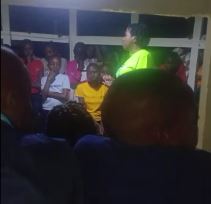
Kennesha addresses a seated gathering from a purple-covered lectern as Sagana stands alongside her inside a modest community meeting space to interpret the message as she speaks. Video by Fred Akesj.
My first opportunity to serve publicly in Kisii came on Saturday, July 25, when I shared a message called “What’s in His Name? He Made His Ways Known to Moshe” at a church location connected with Pastor Joseph’s ministry. The message centered on Psalm 103:1–7, especially verse 7: “He made his ways known to Moshe, his mighty deeds to the people of Isra’el.” I focused on the difference between seeing what Yahweh does and developing the kind of relationship where His ways become known.
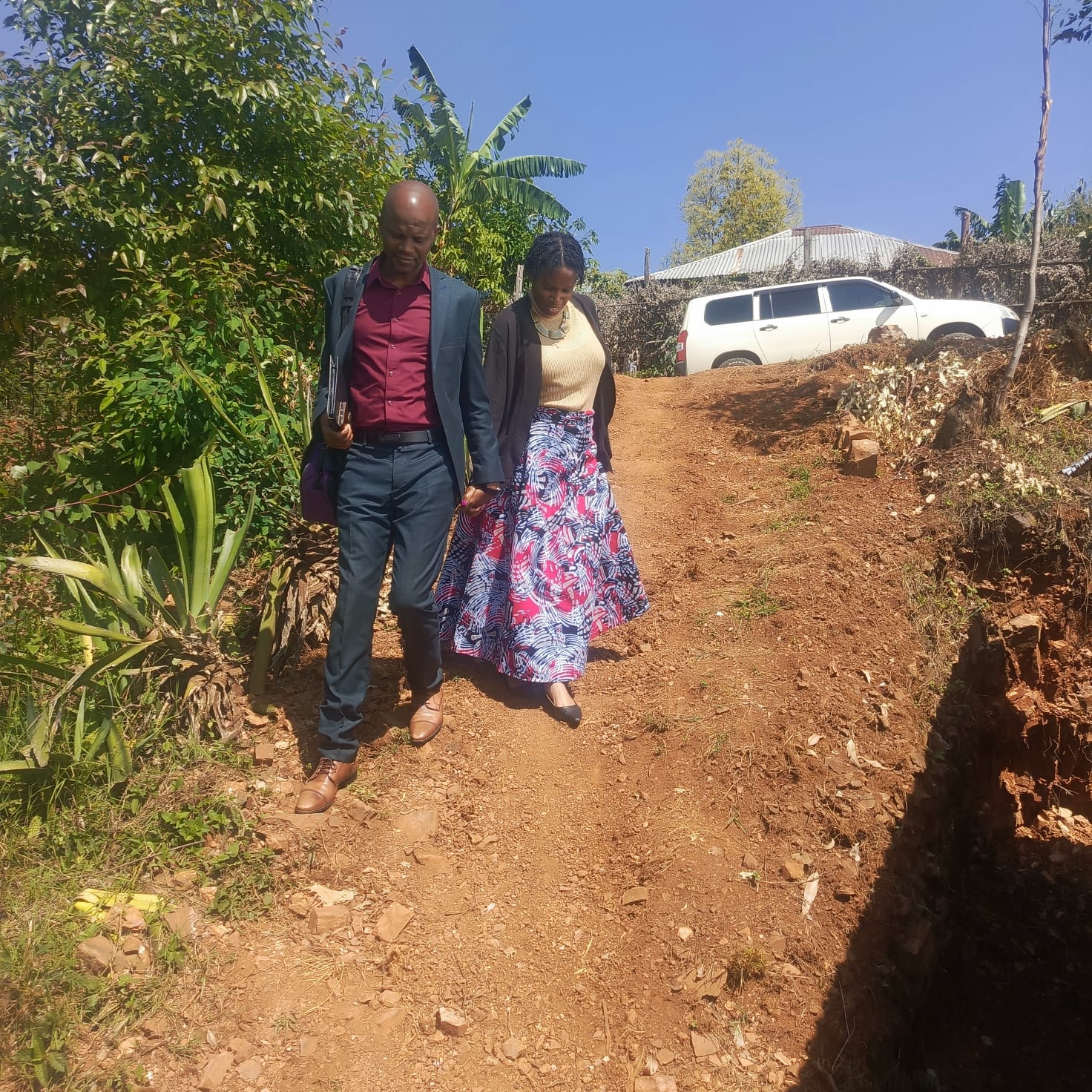
I had included Swahili in the message because my previous experiences in Kenya had shown me how meaningful it could be to make an effort to connect through language. As I spoke, however, I was also learning something more specific about the community I was serving. Swahili could help create a bridge, but the local Kisii language was closer to the people themselves. Sagana, Pastor Joseph’s brother, stood with me and interpreted what I was saying so the message could be understood more naturally by those listening. His role became an important part of the experience because I could bring the message I had prepared while relying on someone with a deeper knowledge of the local language to help communicate it well.
Audio message of sermon, “What’s In His Name?”
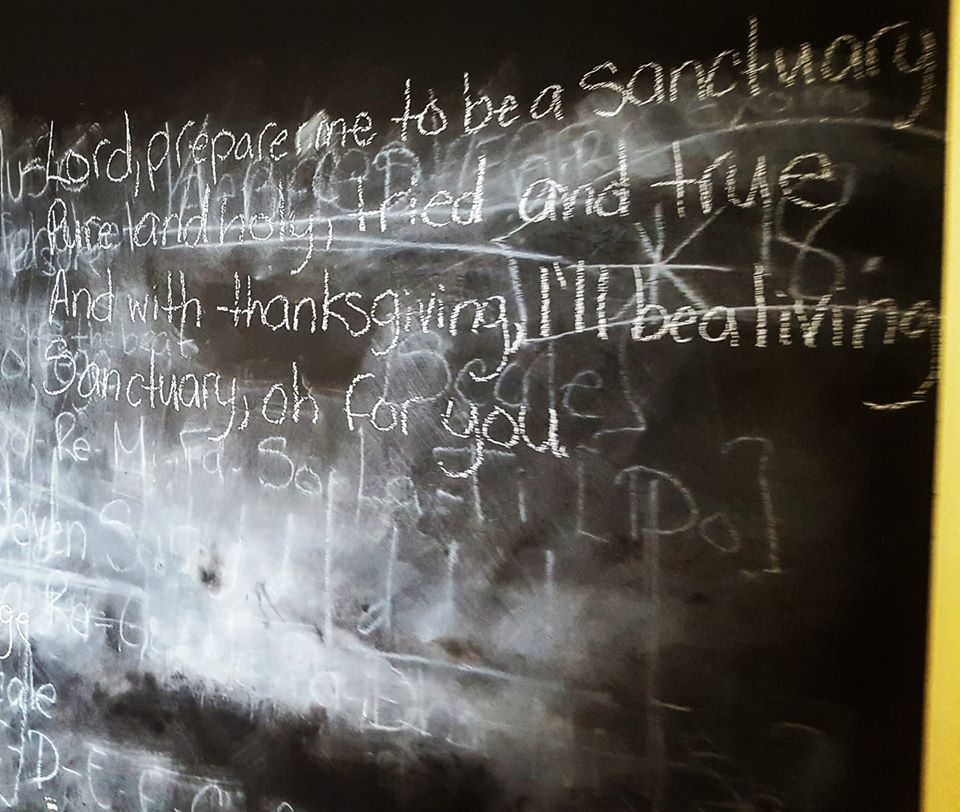
The following day, my attention shifted toward the children at the orphanage. Music became one of the first ways we began getting comfortable with one another. I taught them “I Believe” by Jonathan Nelson and “Lord, Prepare Me to Be a Sanctuary,” along with a dance they could learn. Singing and movement gave us something to do together before we knew very much about one another, and the time quickly became more than simply learning songs. Conversation, laughter, and familiarity began developing alongside the music.
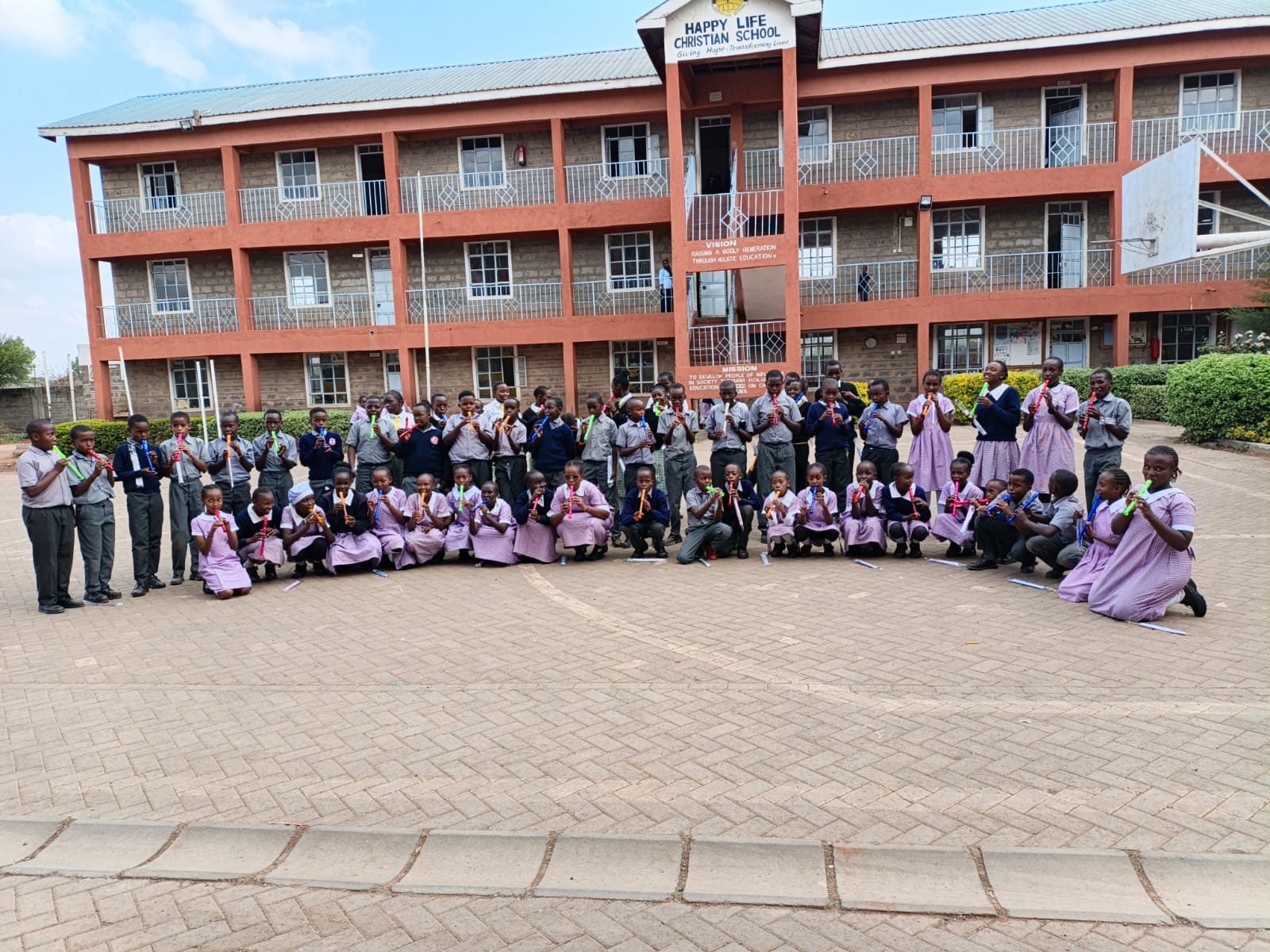
The relationships that started there soon moved beyond the compound. On Monday, July 27, I visited the primary school attended by some of the children, and they had no idea I was coming. I had only started working with them the previous day, so seeing them in their school environment gave me a different perspective on who they were. They were no longer only the children I had been singing with at the orphanage. I was seeing them as students within the routine of their school day, surrounded by their teachers and classmates.
Kennesha talks with children from Pastor Joseph’s orphanage, in school uniforms outside a yellow school building. The students gather around her briefly before walking across the grassy courtyard. Primary School location. Video by Sam Sagana.
Video of Kennesha visiting and speaking with Grade 9 students seated in their classroom in Kisii, Kenya. This was there first time meeting a Black American. Video by Sam Sagana.
Later that same day, I visited secondary schools attended by some of the older students connected with the orphanage. Many of them had not met me yet because they were still away at school and had not returned for the August holiday break. Visiting them where they were gave us an opportunity to begin a relationship before they came back to the orphanage. By the time they returned, I was no longer completely unfamiliar to them.
From July 28 through July 31, much of my daytime schedule was spent with The Truth and the Spirit, the ministry where I serve as a member and minister and which is also connected with Pastor Joseph’s ministry in Kisii. My role during those sessions was more supportive. I was not there to lead every discussion or assume that my perspective should be the one guiding the room. I listened, participated, and contributed when my own experiences could be helpful, especially when conversations involved language, culture, biblical interpretation, or the challenges that can arise when ideas move between different languages and translations.
Some of the most useful moments came when a question or observation opened the conversation further with leaders from the local region. Instead of assuming that I already understood how something should be explained, I could raise a point and allow those who knew the language and local context more deeply to add what I could not. Serving in those moments meant knowing when to speak, when to listen, and when someone else had the knowledge needed to move the conversation forward.
The days developed their own rhythm. My daytime hours could be spent supporting ministry and learning alongside local leaders, while the afternoons and evenings gave me time to continue building relationships with the children. The different parts of the experience did not feel disconnected from one another. Ministry, music, school visits, and conversation were each giving me a fuller picture of the people I was getting to know and the ways I could participate without needing every opportunity to look the same.
One of those quieter moments happened on Wednesday evening, July 29. I had almost forgotten that I had brought playing cards with me, but during some downtime, I remembered and asked Joshua, Apostle Markita’s son, if he wanted to play. We started playing I Declare War, and while we were sitting together, the power went out. Instead of ending the game, we brought out lanterns and other lights and kept playing. Sagana became interested in what we were doing and eventually joined us, and Apostle Markita soon joined in as well. Sagana also taught me a card game that was familiar to them and reminded me somewhat of Uno because certain cards carried different actions or values.
The playing cards continued throughout the quieter moments over the next several days. Joshua, Apostle Markita, Paular, Fred, Betty, and I played at different times, either one-on-one or together, playing games such as spades, and a Kisii card game. There were later afternoons and evenings when we sat in the back sunroom listening to music, talking, playing cards, and simply relaxing. What started as something to do during downtime became another way for us to learn one another well to laugh, become more comfortable, and enjoy time together.
When the Children Became My Teachers
The afternoons and evenings at the orphanage gave me a different kind of time with the children. We kept working on the songs and dance I had introduced, but our interactions grew more relaxed as the days went on. I was no longer thinking only about what I wanted them to learn. I also enjoyed the simple rhythm of talking, practicing, laughing, and watching how naturally they began to gather whenever I came outside.
The gazebo became one of the places where this happened most often. When I spent time there, children would begin making their way over from different parts of the compound to see what I was doing and join in. I did not have to plan a formal activity every time. Sometimes music or another activity would begin, and our time together would develop from there.
One afternoon, after the daytime ministry sessions had ended, I brought my flute to the gazebo. I played classical pieces while the piano accompaniment came through my cell phone, and children who had been doing other things began gathering around to listen. Music had already helped us connect through singing and dance, but the flute allowed me to share another part of myself without turning the moment into a lesson. Their curiosity made what began as me simply playing music into time we could enjoy together.
Video of a group of children at Pastor Joseph’s orphanage dancing together outdoors with Kennesha at night with the song, “Victory Chant” in Kisii, Kenya. Video by Fred Akesj.
A different exchange happened when I brought out a Swahili book called Joto la Moyo, which means “Warm Heart.” I decided to read it aloud using the Swahili I already knew while working through words that were less familiar to me. The children listened closely, but they were not only the audience. When I needed help with a word or pronunciation, they stepped in and helped me work through it.
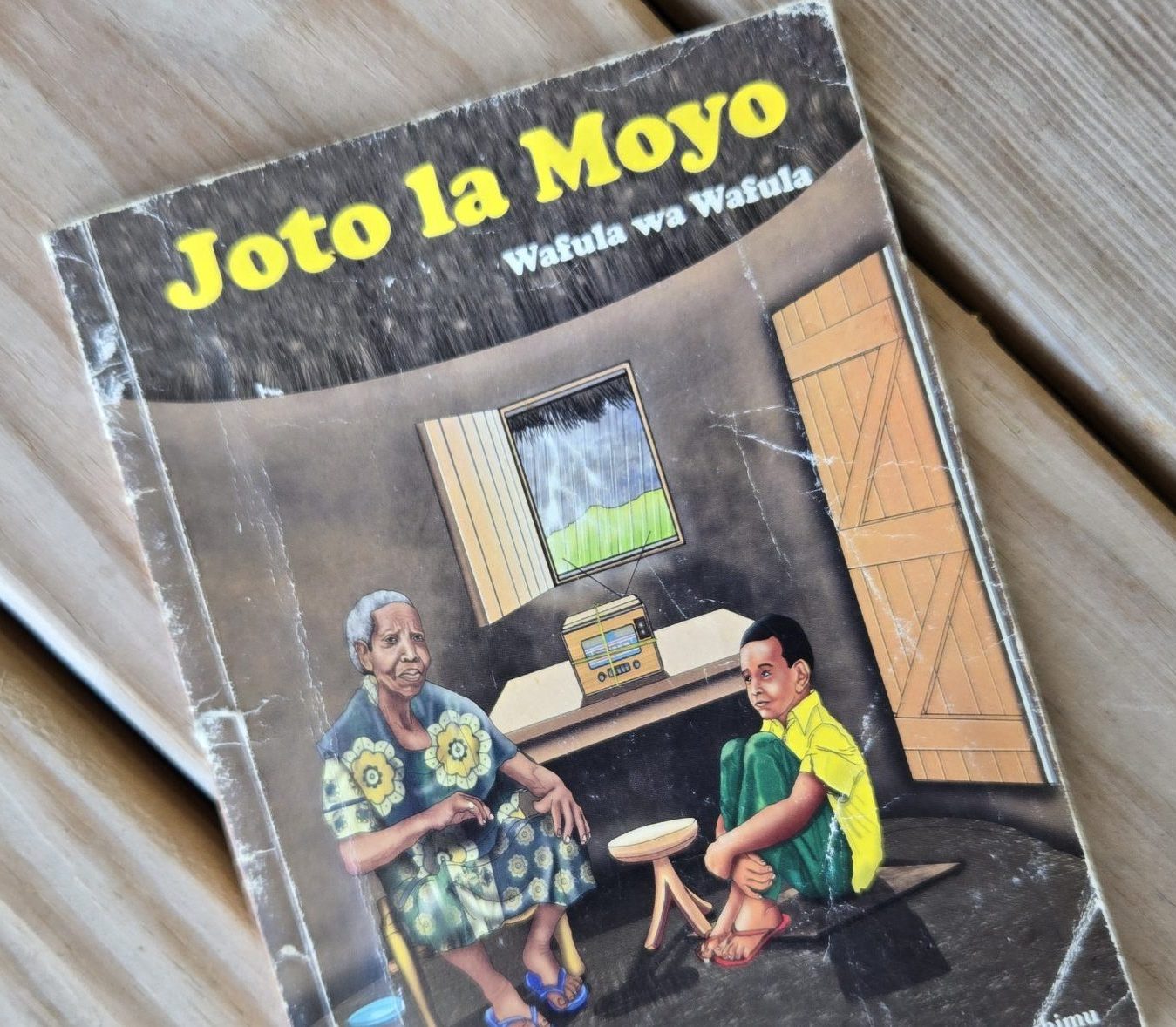
At one point, one of the children had an adult’s cell phone and began recording me as I read. I found it interesting that they remained so engaged even when I was the one struggling with the language and needing assistance. I had spent much of my time with them teaching songs and movements, yet while reading Joto la Moyo, the roles shifted naturally. They knew something I did not, and I was able to learn from them.
Those moments added something different to the relationships we were building. I did not have to be the person with all of the answers for our time together to have value. The children could sing what I taught them one day and help me work through Swahili the next, allowing our connection to develop through both giving and receiving.
Learning Through Language and Relationship
Language continued to shape my experience in Kisii beyond the time I spent reading with the children. I also developed a connection with Rizpah, one of the adults there, and from the beginning, our communication became part of how we got to know one another. When I first met her, I greeted her in Swahili and in a way that reflected what I had already learned through my previous experiences in Kenya. From there, our conversations moved between Swahili, English, and the local Kisii language.
Conversational Swahili is not one of my strongest areas, so there were times when I struggled to understand or respond as quickly as I wanted. Rizpah was willing to slow things down when I needed help, giving me time to listen more carefully and work through what she was saying. My willingness to try also gave her an opportunity to teach me words and expressions from her own language.
Swahili became a bridge between what I already knew and what Rizpah was helping me learn. I did not have to speak it perfectly for us to communicate, and making the effort to move beyond English gave our relationship room to develop differently. Through Swahili, she could begin helping me understand words and expressions from her own local language, while I became more comfortable allowing her to lead the exchange.
My connection with Rizpah grew through those exchanges. I could try a word, listen to her correction, ask questions, and allow myself to learn without worrying about whether I sounded perfect. The effort itself became part of the relationship because I was willing to enter a space where someone else knew more than I did and allow her to guide me.
By then, I was beginning to recognize how often my time in Kisii required that kind of openness. Some relationships developed because I had something to share, while others grew because I was willing to listen, learn, and let someone else help me understand what was unfamiliar. Language gave me another way to experience that exchange and made the relationships I was building feel more personal than they would have if I had remained only within what was comfortable to me.
What It Meant to Be Served
As the days continued, I began paying more attention to the ways people were caring for me in Kisii. Some of it happened around meals, where the chefs consistently made sure there was food I could eat despite my dietary restrictions, health concerns, and choices connected with my faith. Pastor Joseph, Sagana, and others also checked on me, especially because I was not eating meat, asking whether I was okay and whether I had eaten enough.
Video of Kennesha and Joshua taking a visit and stirring food in a large pot over a traditional wood-fired jiko in a kitchen in Kisii, Kenya. Video by Chef Raphael.
The meals themselves began to stand out to me for more than what was being served. After we prayed over the food, there were times when someone would ask, “May I serve you?” before placing food onto my plate. I had seen people serve food many times before, but the willingness behind the question caught my attention. It felt thoughtful and respectful, and it made me notice more carefully how care was being expressed through something as ordinary as sitting down to eat.
I eventually found myself reading more about hospitality and food within Kenya because I wanted to better understand what I was experiencing. I did not want to assume that every family or community expressed hospitality in the same way, but what I experienced in Kisii helped me see how sharing a meal could communicate welcome, care, respect, and community. The table became one of the places where relationships were developing while people simply made sure everyone around them was cared for.
Other expressions of service happened outside of meals. Rizpah would ask for my clothes in Swahili or the local language so she could wash them. During previous trips to Kenya, I had been uncomfortable allowing someone to wash my clothes by hand because it felt very personal to me. This time, our relationship had already developed enough that I was willing to hand them over and allow her to help. My clothes would be washed, dried, and returned to me, and I began noticing how differently I was responding to receiving that kind of care.
One small moment happened while I was eating when one of the Kenyan leaders connected with Pastor Joseph’s ministry noticed that my bottle of water was still sealed. Without me asking, he removed the plastic wrapping, cracked the seal, and handed it back to me. I remember the smirk that came across my face because I was not accustomed to someone noticing something so small and simply taking care of it for me.
Paular’s support was different because it was not connected to one particular task. She had been present from the time I arrived, helping me settle into the house, talking with me, laughing with me, and remaining nearby throughout my stay. Her consistency became part of how I experienced service in Kisii, just as much as the individual gestures that were easier to identify.
Food, laundry, companionship, and small acts of attention began adding up in ways I had not expected. None of them were large on their own, but together they were beginning to challenge some of the ways I had learned to think about receiving help. I had come prepared to serve others, while the people around me were showing me that being cared for could also be part of relationship.
Listening Before Deciding How to Help
By the beginning of August, I had spent enough time with the children to see them in several different settings. We had practiced music together, I had visited some of them at school, and our afternoons and evenings at the orphanage had become increasingly familiar. On August 1, they had an opportunity to share some of what we had been working on during a larger ministry gathering in Kisii.
Outdoor Shabbath worship gathering in Kisii, Kenya, with adults and children singing and worshipping together among the trees. Video by Fred Akesj.
The children performed “I Believe” by Jonathan Nelson and “Lord, Prepare Me to Be a Sanctuary,” along with the dance I had taught them to “Victory Chant” by Sam Song. Watching them stand before others felt different from the time we had spent practicing together. The songs and movements had begun with us working through things step by step, but during the service I could simply watch them take what they had learned and present it themselves.
Children participate in singing and worship together in an outdoor sanctuary beneath the trees, singing Lord, Prepare Me To Be a Sanctuary. Directed by Kennesha. Video by Fred Akesj.
The following day brought a completely different atmosphere. August 2 was set aside as a fun day, and football, or soccer as it is commonly called in the United States, became a big part of it. The boys divided into teams, and the girls had their own teams and match as well. I did not play, but I enjoyed watching the children compete, laugh, and spend the day enjoying one another without everything needing to become a lesson or organized activity.
Seeing them perform one day and simply play the next continued broadening the way I understood the children I had been spending time with. I had already seen them as students and as children learning music, but those moments allowed me to see other parts of their personalities and relationships with one another. By the time August 3 arrived, there was already more familiarity between us than there had been when I first came to the compound.
Apostle Markita Brooks, the ministry leader for The Truth and the Spirit, felt it would be important to have a session specifically with the girls from the orphanage, and I joined her during that time. She guided the conversation while I listened, participated where appropriate, and had an opportunity to hear the girls speak more openly about themselves.
They talked about experiences that had shaped their lives, the goals they had for their futures, and things they were thankful for. I had spent time teaching and interacting with them throughout the previous days, but this setting gave me an opportunity to learn about them through what they chose to share rather than through what I could observe from the outside.
Listening to the girls added depth to relationships that had already been developing. By then, I had seen them in school, singing, dancing, playing football, and spending time around the compound. Hearing them talk about their own lives reminded me that understanding someone requires more than observing what they do. There also has to be room for them to tell you what matters to them in their own words.
The conversation became especially important when I later had an opportunity to provide practical support. Instead of beginning with my own ideas about what the children might need, I could respond from what I had actually heard them share.
What Mission Support Made Possible
On August 4, we traveled to the market, where some of the purchases were simply for personal enjoyment and others were connected with supporting the children and the orphanage. The conversation with the girls was still fresh in my mind, and having listened to them gave me a better sense of where practical support could be useful.
I do not feel it is necessary to share the specific items that were purchased. What mattered to me was knowing that the support responded to things the children had expressed they needed for everyday life at the orphanage. Spending time with them first, listening to what they shared, and learning more about their lives helped me respond from a place of greater understanding rather than making assumptions about what I thought they needed.
The experience also caused me to think more deeply about the people who had supported Mission to Kenya 2026 and helped make it possible for me to be there. Their contributions helped cover the expenses involved in traveling to Kenya, moving between locations, remaining in the country for several weeks, and carrying out the work connected with each part of the mission.
Being physically present in Kisii mattered as I spent time with the children, visit their schools, listen to them, learn more about their everyday lives, and allow relationships to develop before deciding where support might be useful. Some of the resources entrusted to me for the mission were then able to reach the children in ways I could not have understood from a distance. Airfare, transportation, lodging, meals, supplies, and other expenses were necessary parts of getting me there and allowing the work to happen. At the same time, the support that made my presence possible also created opportunities for me to respond when needs became clearer through the relationships I had been building.
I began to see more clearly how supporting someone to go on a mission can extend beyond helping that person reach a destination. It can create the time needed to listen, learn, build relationships, and recognize where practical support may be appropriate. In Kisii, the help I was able to provide grew out of being present long enough to understand more about the people I was there to serve.
A Hug For Every Child
By August 5, my time in Kisii was coming to an end, and I knew I would soon be traveling back to Nairobi. After two weeks of ministry, school visits, music, conversations, meals, and time spent simply being around the children, I felt strongly that I wanted to make sure I said goodbye to each of them in a personal way before I left.
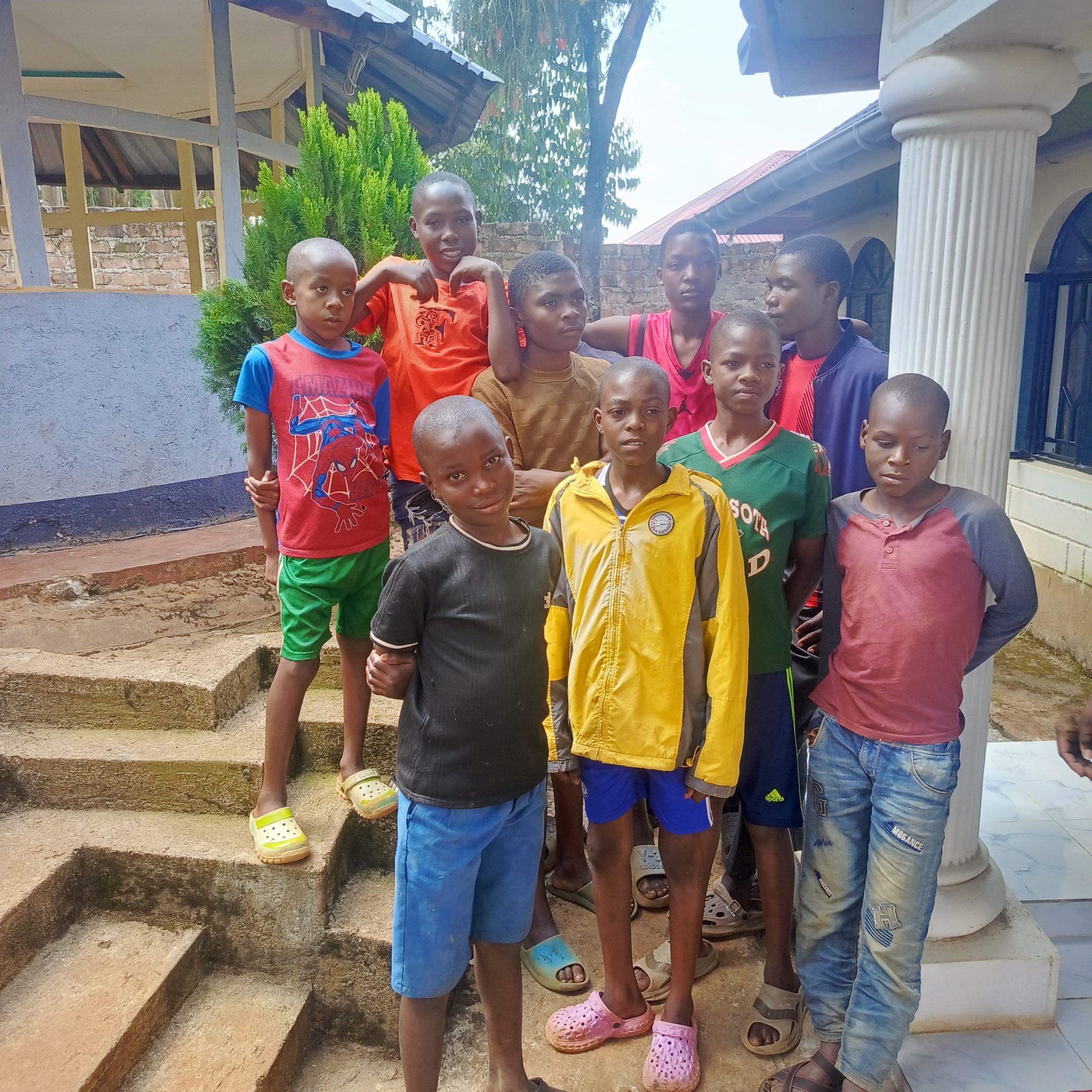
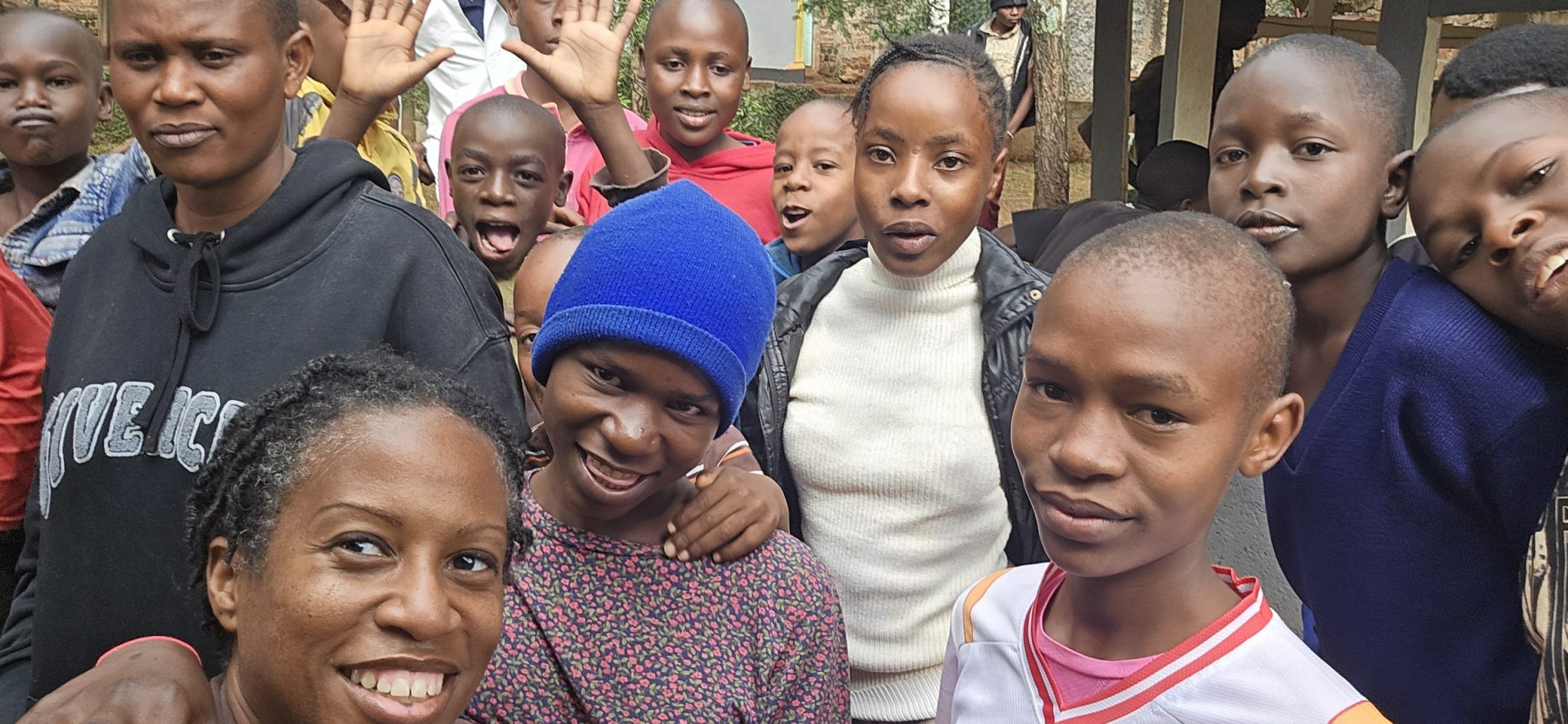
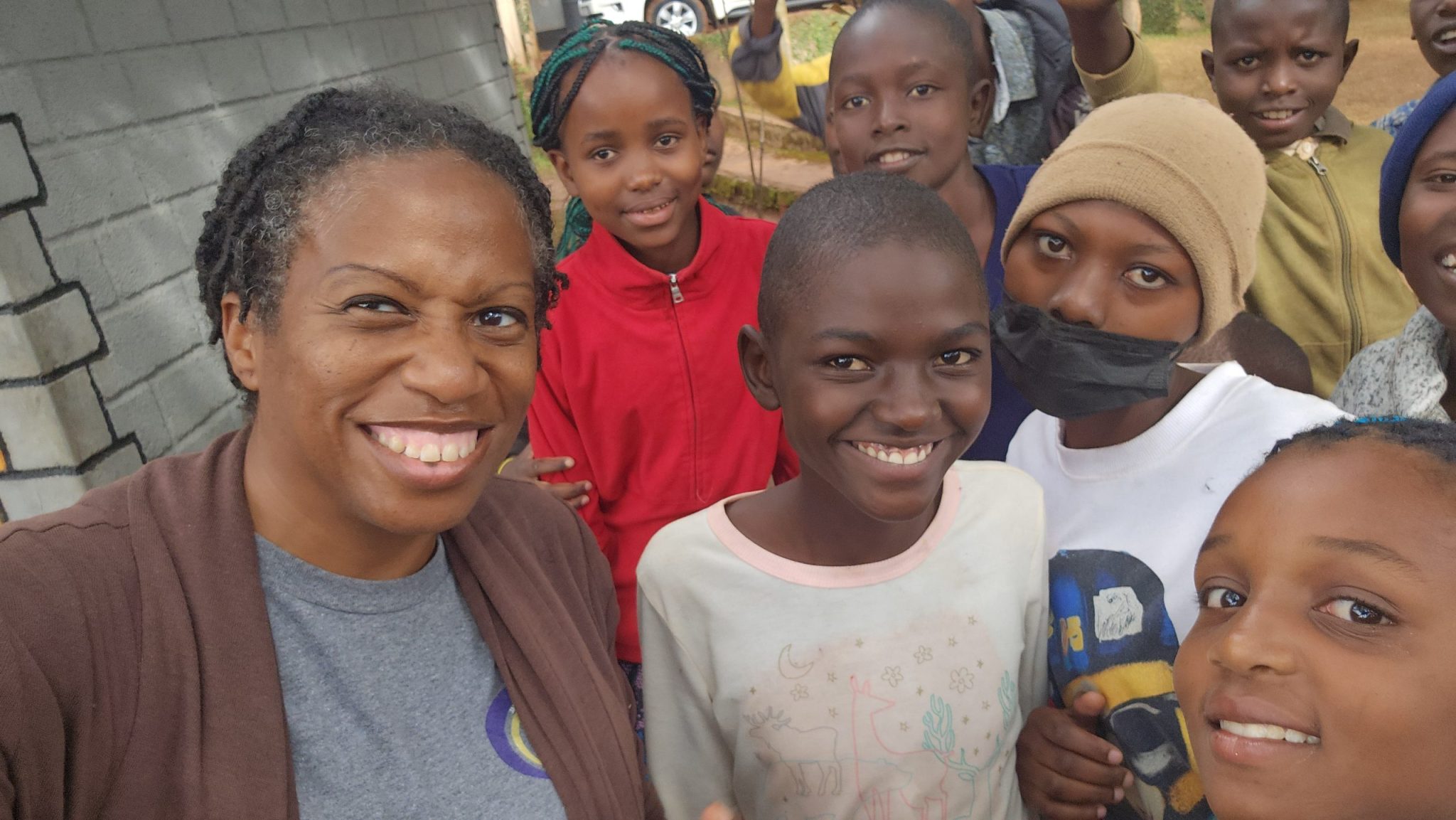
By then, I had spent enough time with the children to understand that each one carried a different story. Some had come from family situations that could no longer provide the stability or care they needed, but I did not want those circumstances to become the main way I remembered them. I had seen them sing, dance, attend school, play football, laugh, learn, help me with Swahili, and enjoy being together.
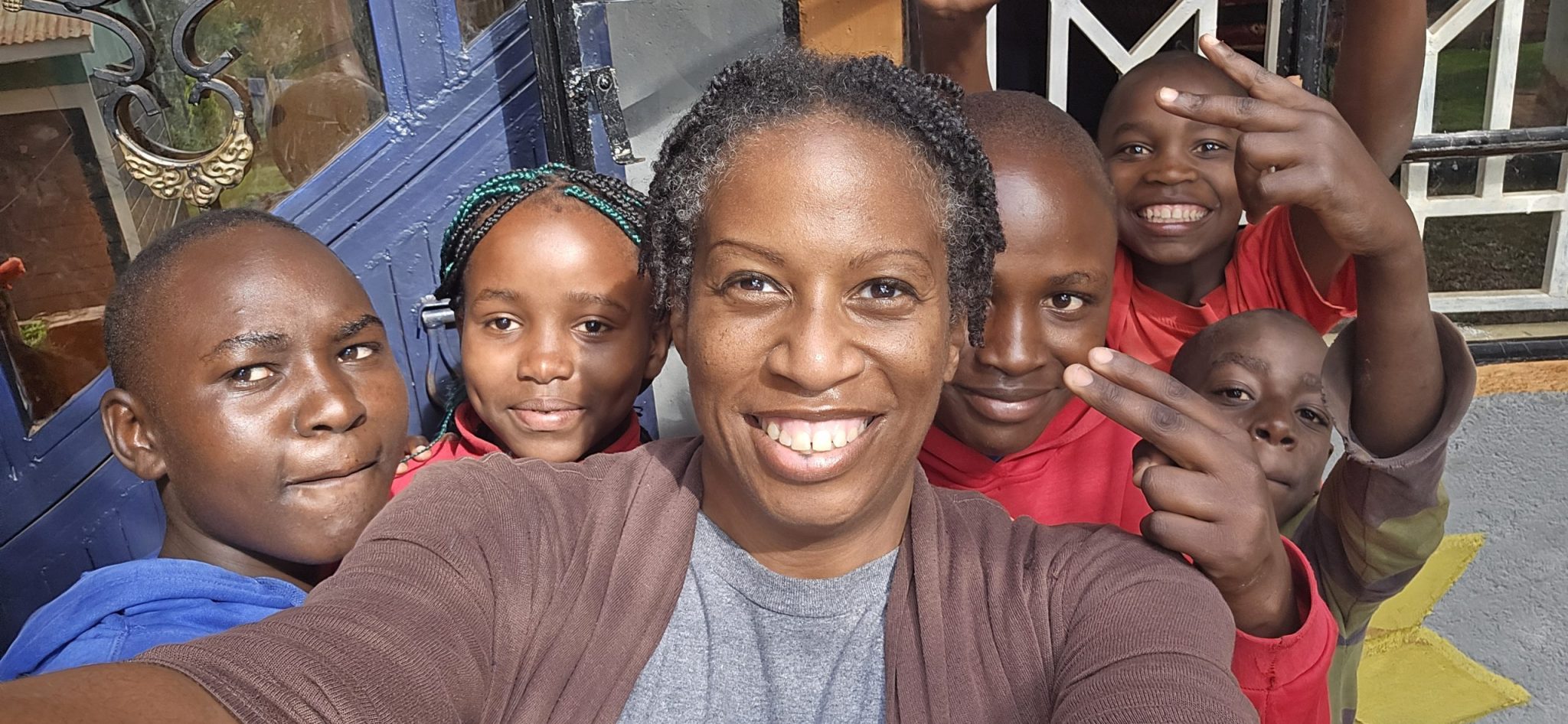
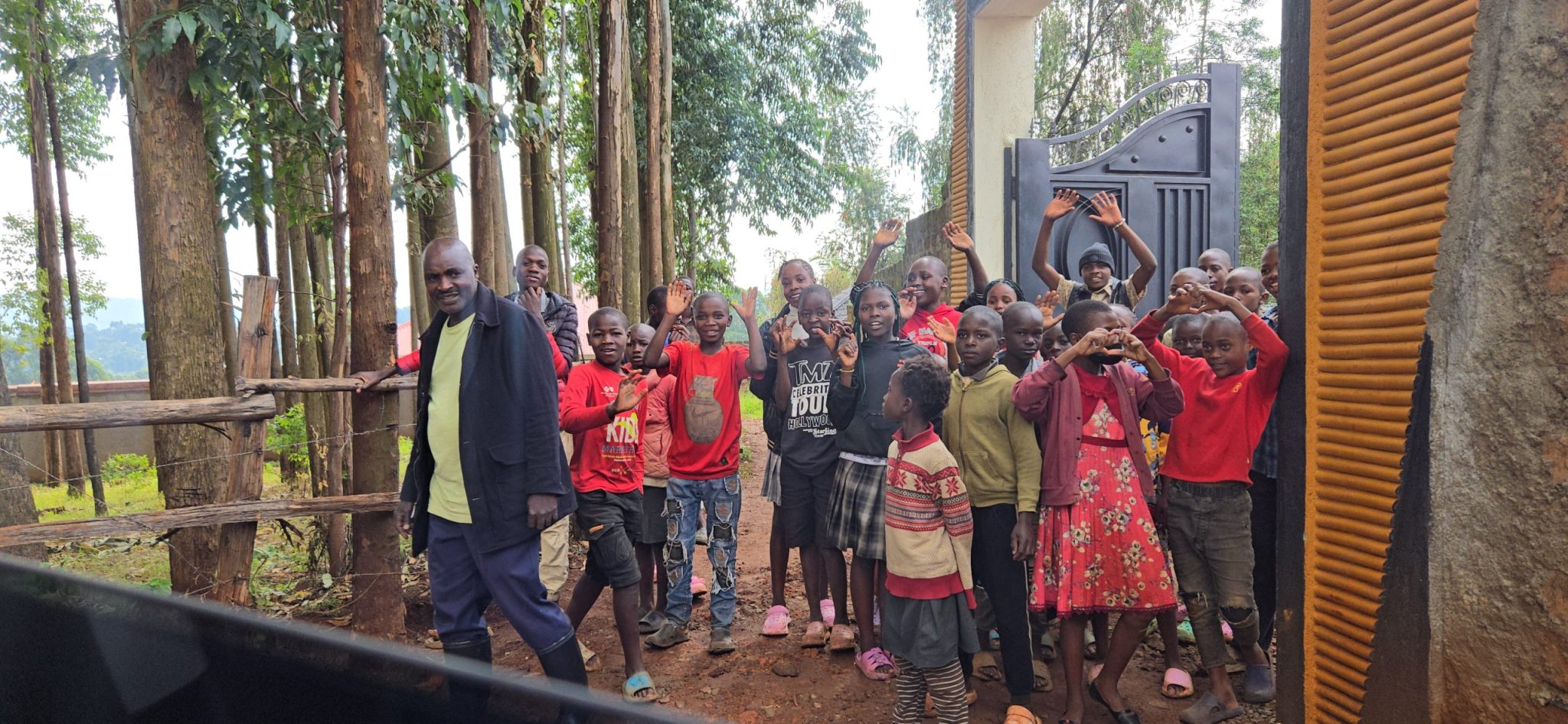
As the goodbyes began, some of the children would come toward me and extend a hand for a handshake. I would turn the handshake down and ask for a hug instead, and before long the exchange became playful. I started looking around to see who had not received a hug yet, and the children began helping me find anyone I had missed.
They would point someone out or make sure another child came over, and what could have been a quiet goodbye became something filled with laughter. I wanted to make sure no one was overlooked, and the children became part of making that happen.
There was also a deeper reason I wanted to hug each one of them. I wanted the children to leave that moment knowing they were loved, seen, and cared for. I could not change every circumstance connected with their lives, but I could make sure that my final interaction with them was not rushed or distant.
After everything we had shared during those two weeks, the hugs became a simple way to close my time with the children. I had come to Kisii expecting to serve through ministry, music, and whatever opportunities were given to me, but some of the moments I carried away were much quieter than that. Making sure every child received an embrace became one of them.
What Kisii Taught Me About Service
After saying goodbye to the children on August 5, I left Kisii and traveled back to Nairobi. The following day, August 6, I left Kenya and began the journey home to the United States. Mission to Kenya 2026 had taken me through three different locations, and each one had given me a different experience of service. Kisii left me with something I was still trying to understand more fully.
Once I was home and had time to reflect, I began thinking about why being served in Kisii had affected me so deeply. I had gone there prepared to help others, but many of the moments that stayed with me were the times when someone noticed something I needed and chose to help without being asked. The meals, transportation, Rizpah washing my clothes, Paular remaining present throughout my stay, Sagana interpreting while I preached, the children helping me with language, and even someone opening a bottle of water began to look different when I considered them together.
Sagana and Paular having fun at the football (soccer) games with the children, Sunday afternoon in Kisii, Kenya. Video by Fred Akesj.
Receiving that care also made me look more closely at my own independence. I had become accustomed to taking care of many things myself, and accepting help could make me uncomfortable because I did not want to become a burden. Past experiences had also made it difficult at times to receive care without wondering whether something might eventually be expected in return. Kisii brought some of those thoughts to the surface in ways I had not anticipated.
As I prayed about what I had experienced, I began asking Yahweh to deal with the walls I had built around receiving support and the places where hurt had influenced the way I understood love. I started considering whether part of what I was experiencing in Kisii was bringing healing to an area of my life I had not fully recognized before. The people caring for me were not asking me to earn their service or prove that I deserved it. They were simply choosing, in different ways, to make sure I was cared for.
I had always understood service as an expression of love when I was the person giving it. Kisii challenged me to recognize that same love when it was being extended toward me. Allowing someone to help me did not erase what I had come there to contribute, nor did receiving make me less capable of serving. It allowed relationship to move in both directions.
By the time I looked back on those two weeks, my understanding of service had become fuller. I could still value giving what I had, showing up where I was needed, and responding when I could help, while also recognizing the importance of receiving what someone else freely chose to give. Kisii showed me that service did not always require me to be the person doing something for someone else. Sometimes it required enough openness to let another person care for me too.
What Kisii is Still Teaching Me
When I first entered Kisii, I knew there was something about my connection to the people there that I needed to understand, but I did not know exactly what it was. Two weeks later, I left with meaningful relationships, experiences that had changed me, and a clearer sense of what had been fulfilled during my time there. Even with that clarity, I could not say that I fully understood everything Yahweh might eventually reveal about the connection.
The uncertainty became part of my prayer rather than something I felt I needed to resolve immediately. I asked Yahweh for clarity concerning what He had designed for me to do in Africa and for the strength to walk in whatever assignment He had given me. My thoughts returned to the vision I received when I was six or seven years old, long before I could have understood where it might lead or how different parts of that calling would unfold over time.
As I reflected on Kisii, I also thought about the message I had preached shortly after arriving. Psalm 103:7 says, “He made his ways known to Moshe, his mighty deeds to the people of Isra’el.” I had taught about the difference between seeing what Yahweh does and knowing His ways, and by the end of those two weeks, that message had become more personal to me than I expected.
I could look back and recognize what had been accomplished without assuming that I already understood everything it would come to mean. I had served where opportunities were given, supported ministry, spent time with the children, listened, learned, built relationships, and responded where I could. What I had been given to do during those two weeks had been done, even if the larger significance of the experience was still unfolding.
Kisii remained distinct from the other locations I served during Mission to Kenya 2026, and I believe some of the reasons for that distinction may become clearer with time. The fruit of the relationships, conversations, ministry, and time spent together may continue to develop in ways I cannot yet see. I do not feel a need to decide ahead of time what the connection must become, but I am hopeful that Yahweh will continue to reveal more as time progresses.
I no longer see not knowing the fullness as an unfinished ending. I can be grateful for what was fulfilled while remaining open to whatever more Yahweh chooses to show me. The same desire that shaped the message I shared when I first stood before the congregation in Kisii still remains: not simply to recognize His acts, but to know His ways well enough to follow wherever He leads.
Kennesha leading children in the Victory Chant dance outdoors during the July 2026 mission in Kisii, Kenya.