Eight Years Later at Happy Life Children’s Home in Juja Farm
Mission to Kenya 2026 | Juja Farm, Kenya | 2 July –24 July 2026
by Kennesha M. Walker
Returning to the Children’s Home
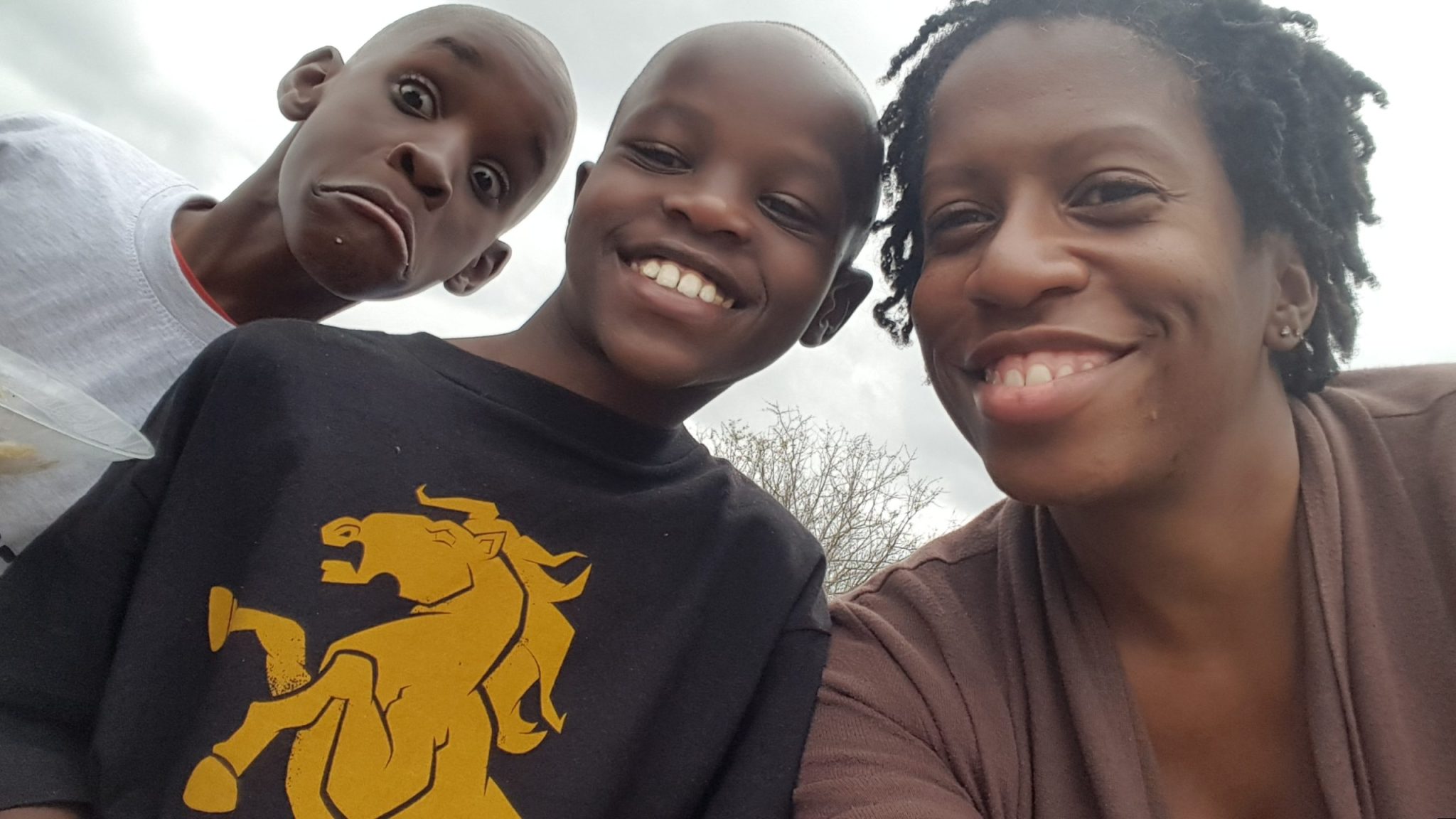
When I arrived at Happy Life in Juja Farm on July 2, 2026, much of what I had planned for my return involved the school, but stepping back onto the compound also brought me into another part of the story that had stayed with me since 2018. I had spent nearly three months in Juja Farm during my first extended mission, and so many of my memories were connected to the children I came to know while living and serving among them.Me
Eight years had changed a great deal. Many of the children I had worked with directly in 2018 were now teenagers or young adults, while others I remembered as little girls or babies were now old enough for me to interact with them in ways they could remember for themselves. Even within the Children’s Home, the children I encountered in 2026 came with different connections to Happy Life. Some had grown up there, while others attended Happy Life Christian School and boarded at the Children’s Home during the school term.
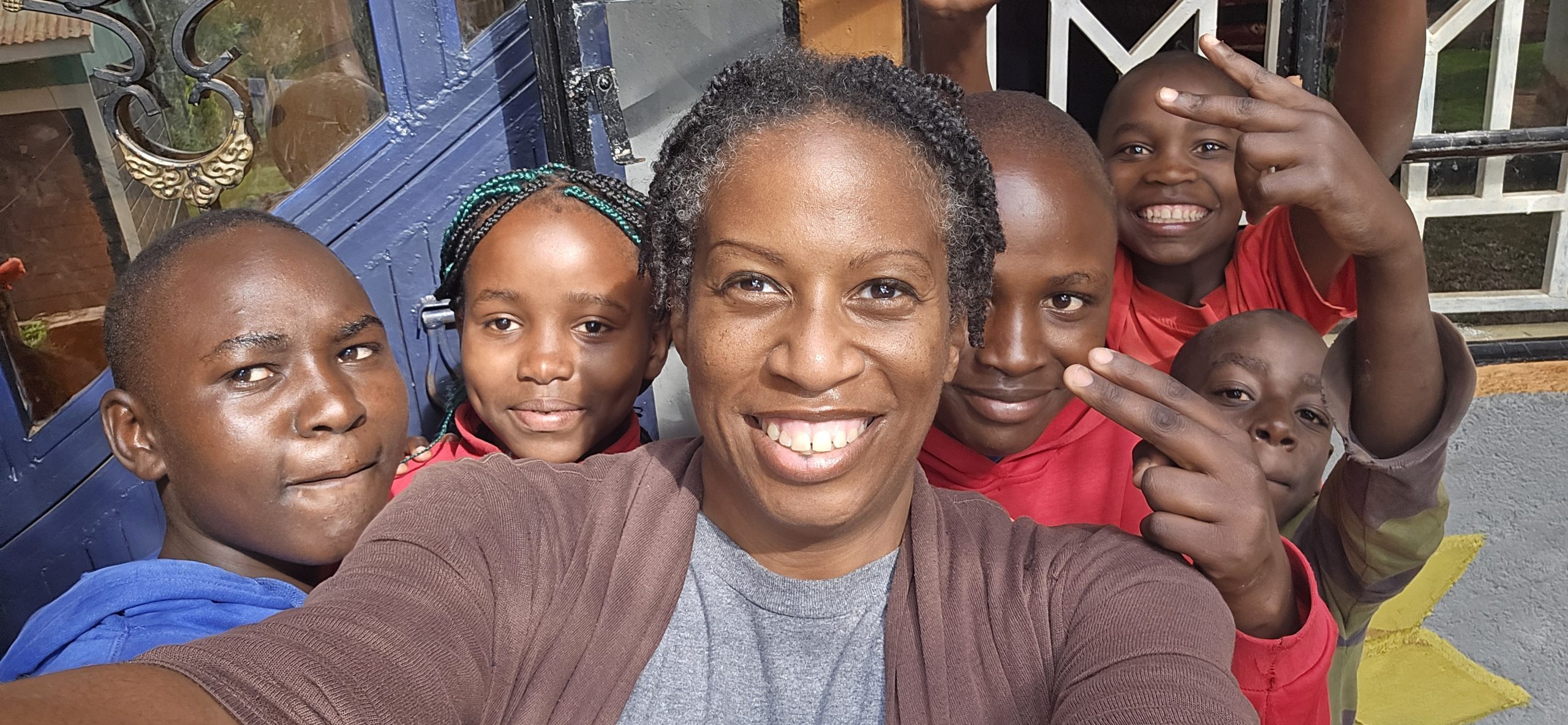
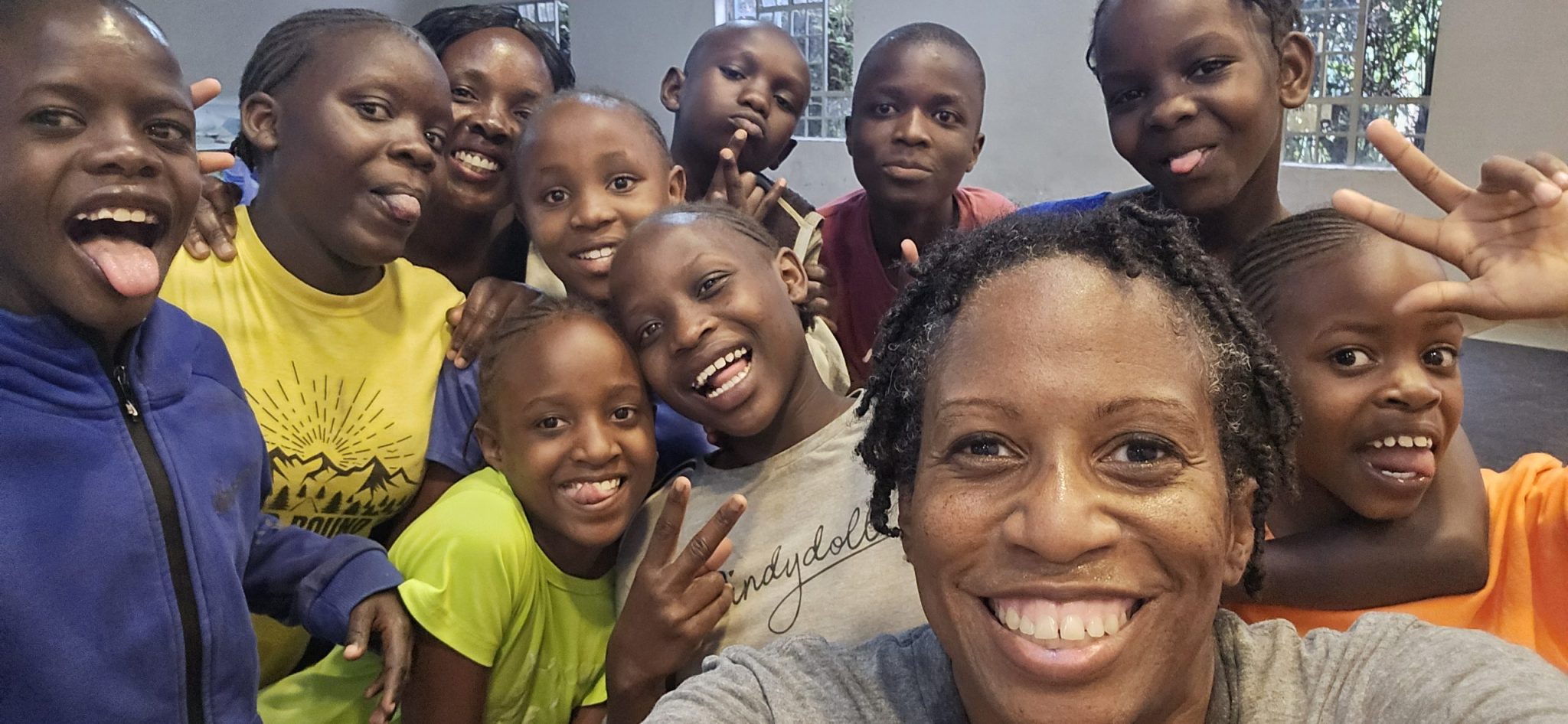
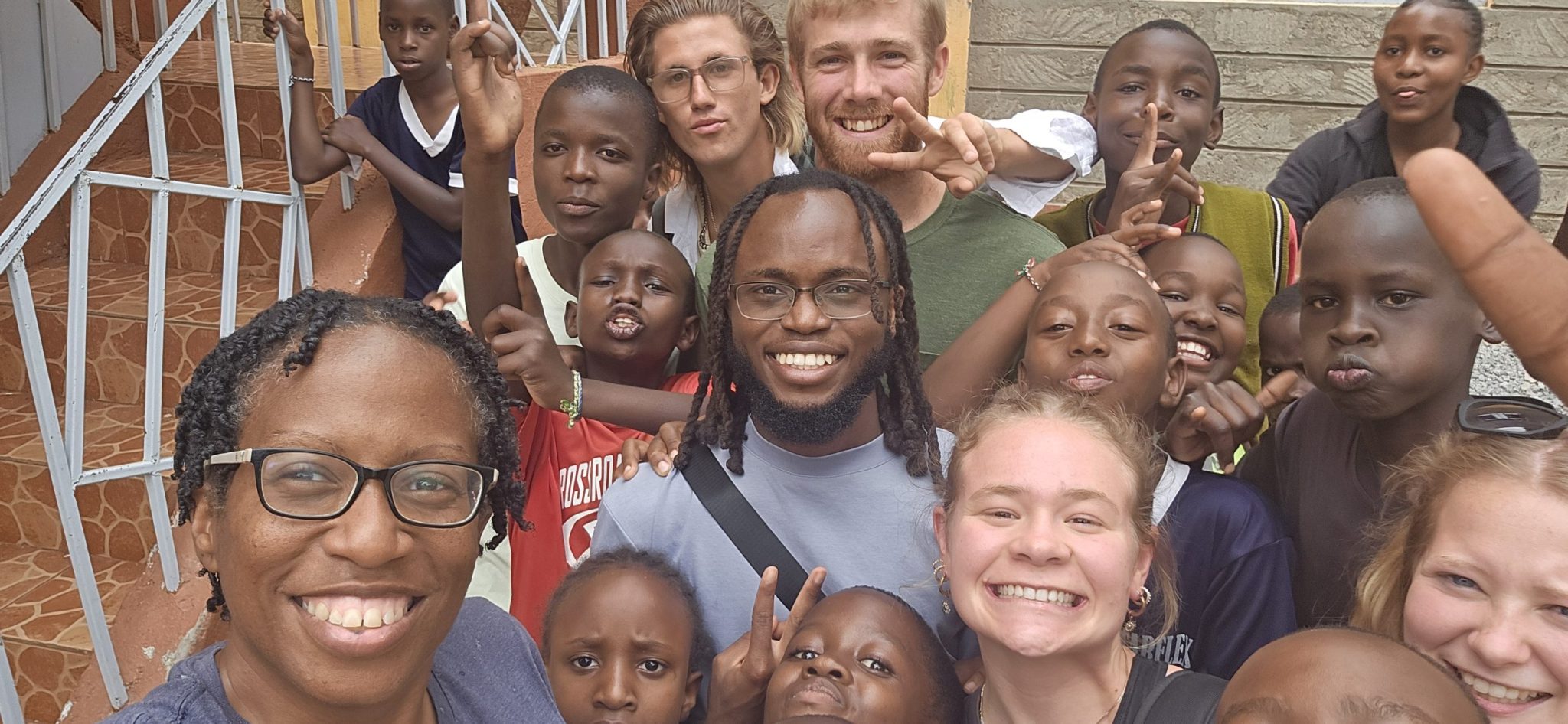
A playful moment with the children at Happy Life during the 2018 Mission to Kenya.
A number of the children had never known me at all, and others had been far too young in 2018 to participate in the music and dance experiences connected to the Kenya Music Festival that had shaped so much of my first mission. Those differences became important almost immediately because I realized I was not returning to recreate what had happened eight years before. Even when a familiar face connected me to a memory I carried from 2018, the children standing before me were not simply another version of the dancers and musicians I had once taught.
I would later reconnect with many of the older children, but those first few days were giving me something different. They were opening the way for me to build relationships with the children who were there now and to let this return become its own experience rather than measuring it by what had happened before.
Bringing “Watch God Move” Back to Life
Only two days after arriving, on July 4, I began teaching the children a dance routine to “Watch God Move” by Colorado Mass Choir and Joe Pace. Although the routine was new to them, I had to reach back nearly twenty years in my own life to a time when I had learned it while serving in praise dance ministry. As I prepared for Kenya, I had prayed about what I should bring to the children, and this was the dance that continued coming back to me.
Remembering enough of it to teach was not as simple as remembering the song. Some movements returned easily while other parts had faded from memory, so for several months before traveling, I listened to the music repeatedly and worked through whatever choreography I could still recall. I reached out to others who had danced it with me years before, hoping someone else might remember the portions I had lost. But time had passed for all of us, and many of those memories were too distant to help reconstruct the routine at first.
Practicing the dance routine for “Watch God Move,” in the USA, before traveling to Kenya.
Recording myself eventually became one way I worked through the gaps. I went through the movements I still knew, but the recording ended up helping me more than I expected. As I moved through each section, other parts resurfaced, and pieces that had felt locked away slowly began coming back. I kept returning to the music, listening on my rides to work and practicing the moves at home, while continuing to pray for the routine to come back little by little. Eventually, I had enough of the choreography restored to bring it with me to Kenya.
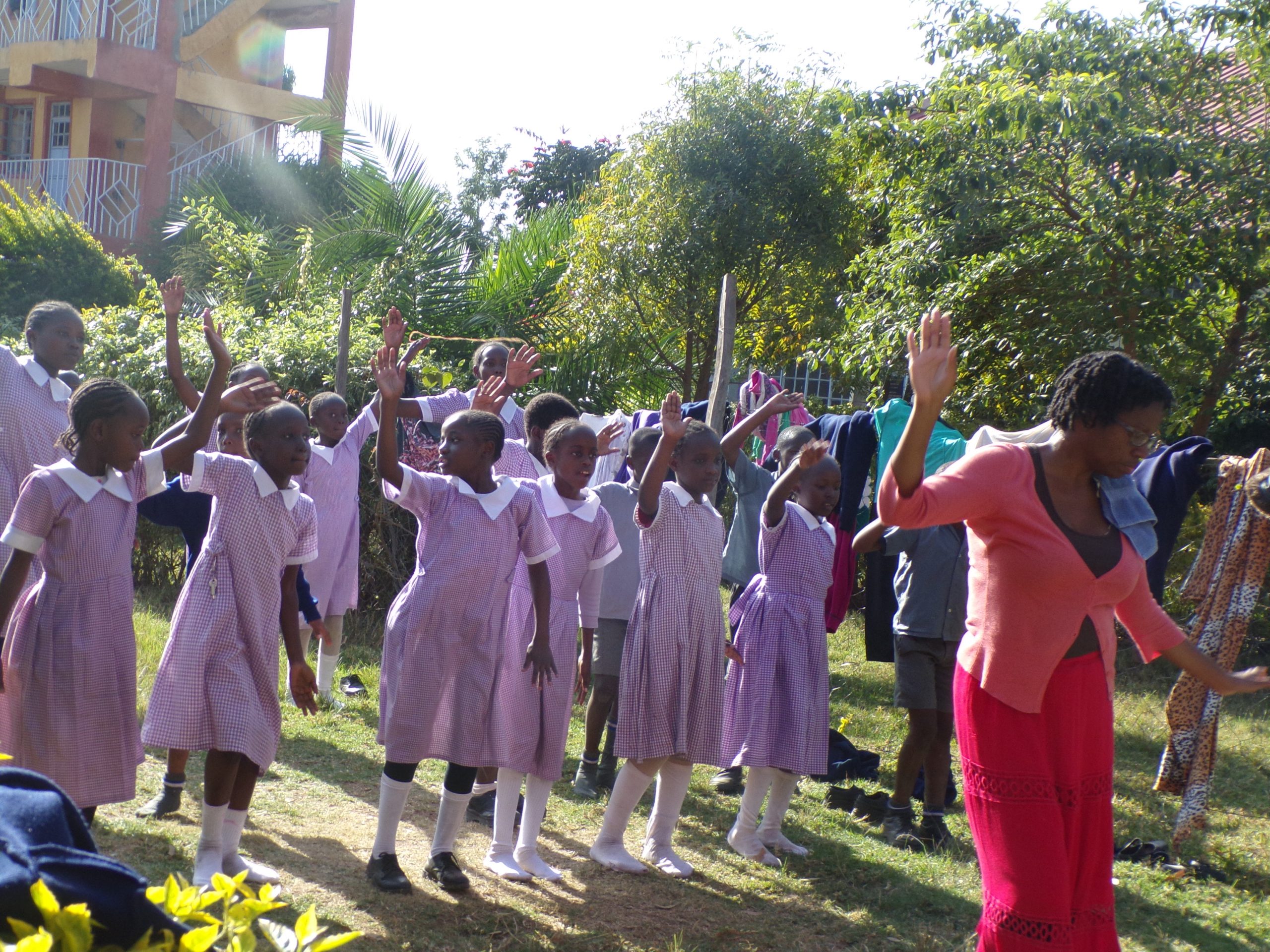
Once I was standing in front of the children at Happy Life, the choreography moved beyond what I remembered into something that worked for the group I actually had. We began with sections everyone could learn together, which gave all of the children interested an opportunity to try the dance before I decided how the routine would eventually be structured. As we practiced, I began noticing who grasped the movements quickly and who was willing to keep working when they became more challenging. Those observations later helped me identify children who could handle the smaller featured sections near the beginning of the routine before the larger group joined them. I honestly did not arrive already knowing how many children would take those parts, so the rehearsals became one of the ways I started learning who they were and how each child seemed to find their place within the unfamiliar dance style.
Practicing dance routine. 2026
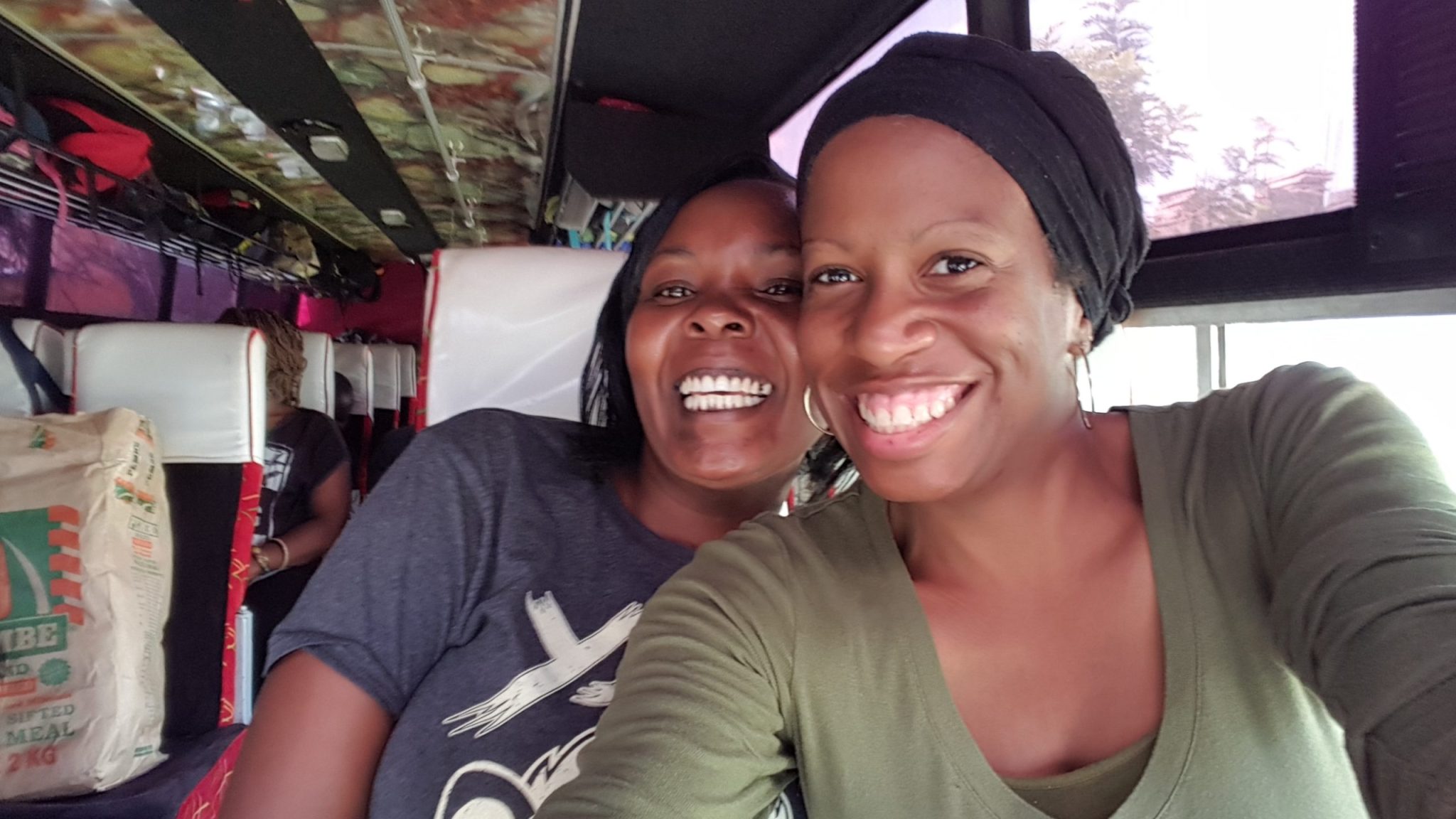
Teacher Mary became an important part of those rehearsals because she knew the children and could help keep them focused while I concentrated on the choreography. Her ability to communicate with them in both English and Kiswahili was especially helpful when the energy of the group became difficult to manage. With her support, I had more room to concentrate on the movements and help the children become comfortable with what they were learning. The experience felt different from some of the dance work I had done in 2018, when I was often helping strengthen material connected to performances already underway. “Watch God Move” came from something I had carried from my own past, but now I was placing it before children who had never danced with me before and watching them begin to make it their own.
During those first rehearsals, I believed I was simply teaching them something they could enjoy and perhaps continue after I left. I did not yet know that the dance would become part of a talent showcase or how little time we would eventually have to prepare for it. At that point, I was still learning the children, they were still learning me, and “Watch God Move” was becoming one of the first things we were building together.
Music Was Already Growing Around Them
While I was beginning to teach “Watch God Move,” I was also seeing how music had continued developing among the Children’s Home children. On July 4, I had the opportunity to watch several of them rehearse with Jeremiah, the Minister of Music from Overcoming Faith Church’s main location, along with a saxophone instructor who was helping prepare the instrumentalists. Keyboard and bass were already part of the rehearsal, several children were learning saxophone, and another child was playing the drum set while the singers prepared to work with them. Watching that rehearsal helped me understand that I was not returning to a place where I needed to rebuild everything I remembered from 2018. Music was already happening around the children, and other instructors were actively investing in what they were learning. My role during those weeks could therefore be more focused, allowing me to contribute something of my own without stepping into work that was already being developed around them.
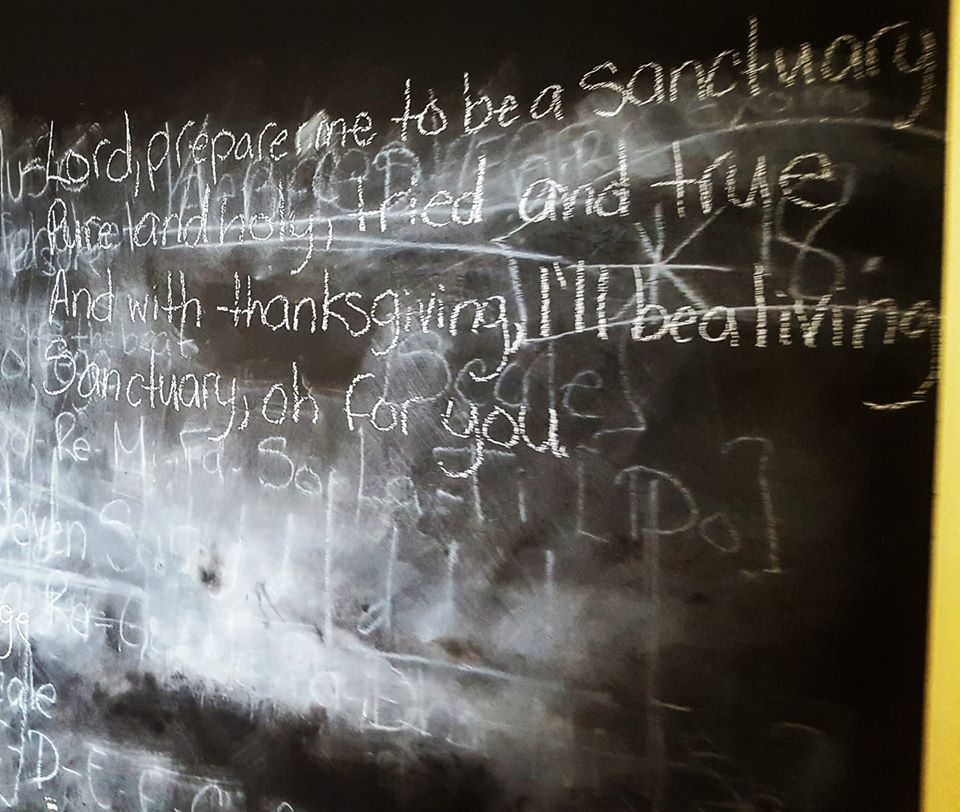
Singing had been an important part of my relationship with the children during my first mission, so I wanted to return to it even though these were not the same children I had taught eight years earlier. One of the songs I brought back was “O Give Thanks,” which I had also introduced at Happy Life in 2018. This time, I wanted the children to move beyond simply learning the melody and begin hearing how their voices could work together in harmony. On July 15, I spent more focused time with them on “O Give Thanks” before they joined the musicians and singers who had been preparing “Lord, I Lift Your Name on High.” Hearing the children begin to sing in harmony was meaningful because it required them to listen differently and become more aware of how their individual parts worked within the sound around them.
I only had a couple of weeks with the children, so there was never enough time to teach everything I imagined. What became more important was recognizing what was already growing around them and finding places where I could contribute in a way that supported what was already happening. Dance gave me one opportunity to do that, and singing gave me another, while still allowing this group of children to have an experience that belonged to them.
As I continued getting to know the children through those rehearsals, my thoughts also kept returning to the older students I had worked with in 2018. I wondered whether I would have an opportunity to see them while I was in Juja Farm, especially now that so many of them had moved into high school and a very different part of their lives. I did not have to wait very long before one of them answered that question in a way I never expected.
When Henry Called My Name
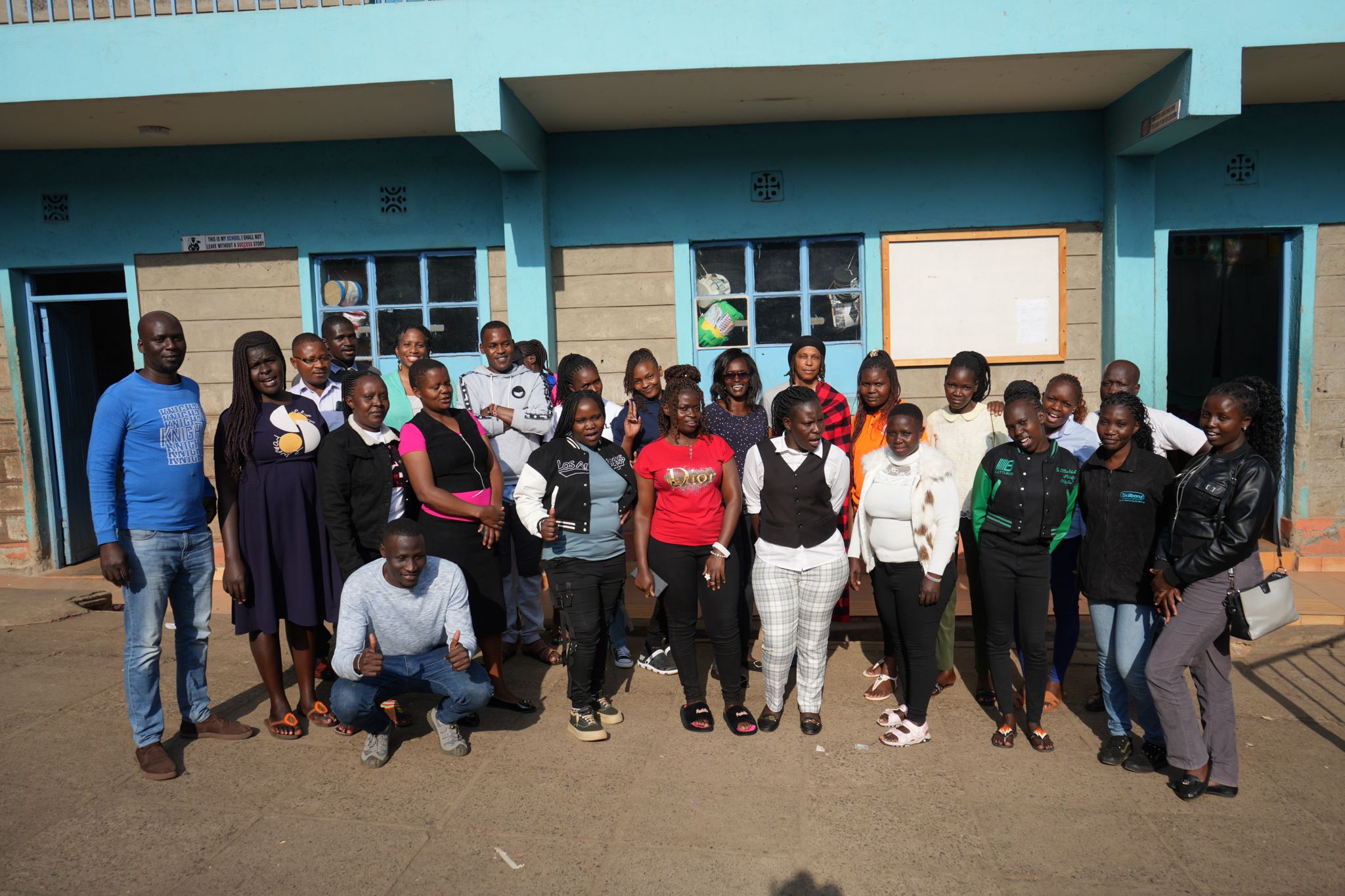
By the time the second missionary group arrived at Happy Life, they had already experienced two delays during their travels to Kenya, and the exhaustion showed when they first arrived. The group included younger missionaries Shane, Andrew, Holly, Christian, and Hanna, from various areas of Florida and Cleveland, Ohio. Once they had time to settle in, their energy and joy quickly became part of the Happy Life atmosphere. I noticed it during our conversations at the house and around the dinner table, and later when we traveled together to Faith Premier High School. The same lively spirit came through in the way they interacted with the children, led devotions, worked on their mission painting project, and with one another throughout their time at Happy Life. They brought another kind of warmth and energy into the days we shared with the children, and it was felt by all those who they encountered.
One evening while we were gathered for dinner, we heard what sounded like a vehicle pulling into the compound. I stepped outside and, from the third floor of the building where we were staying, looked down to see a school bus below. I soon realized it was from Faith Premier High School, where many of the children I had worked with in 2018 were now attending.
Before I had much time to take in what I was seeing, I heard someone below calling my name. I was trying to figure out who could see me well enough from that distance to recognize me after eight years, but the voice continued until I realized one of the students on the bus knew exactly who I was. It was Henry, and hearing him call my name made it suddenly real that some of the children I had been wondering about were right there below me.
So, I bolted down the stairs, and Shane, one of the missionaries from the second mission team, came with me. We climbed onto the bus so we could see which students were there, and I found myself looking at faces that had changed with age while still carrying features I recognized. Even in that brief encounter, I could feel how much time had passed as I looked at teenagers who had matured far beyond the ages I remembered.
At the time of that bus encounter, we had been told that we would have an opportunity to visit the students at Faith Premier on Monday, July 13. As the schedule developed, another opportunity opened sooner. Faith Premier was hosting an event on Saturday, July 11, where neighboring high schools were being highlighted, and families could learn more about what the different schools offered. Since the students would already be participating in activities that day, it gave us a better opportunity to spend time with them without interrupting their regular studies.
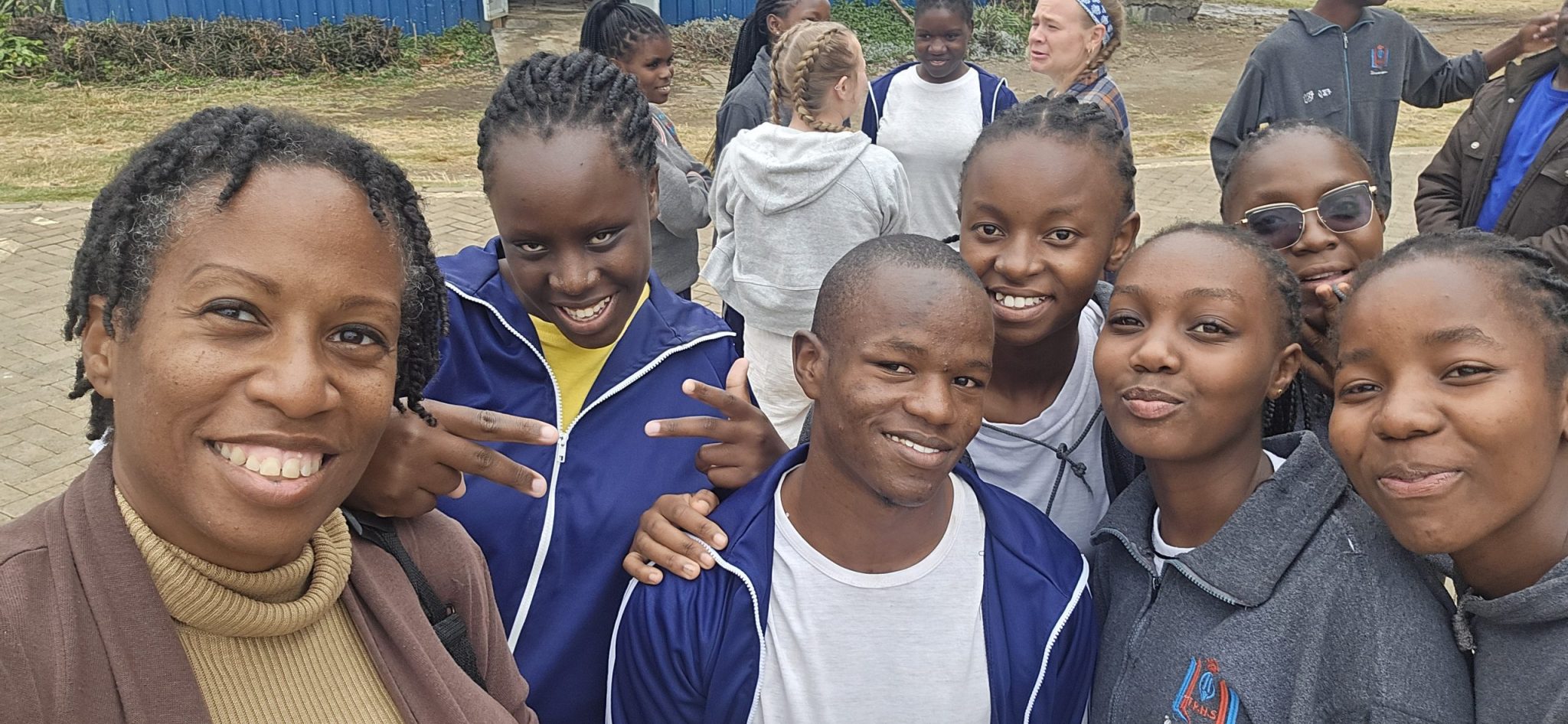
Instead of waiting until Monday, we traveled to Faith Premier on Saturday. Once we arrived, the visit became much more personal than simply seeing the school because I was able to sit with students I had not seen in eight years and hear about their lives while they asked questions of their own. I brought my tablet with me because it contained photographs from my 2018 mission, and I wanted the students to have an opportunity to see them. As they began looking through the pictures, conversations started unfolding around me. They recognized themselves and their friends, while other photographs brought back students who had already graduated or were still connected to Happy Life. One picture would lead to another memory, sometimes between the students themselves and sometimes in conversation with me.
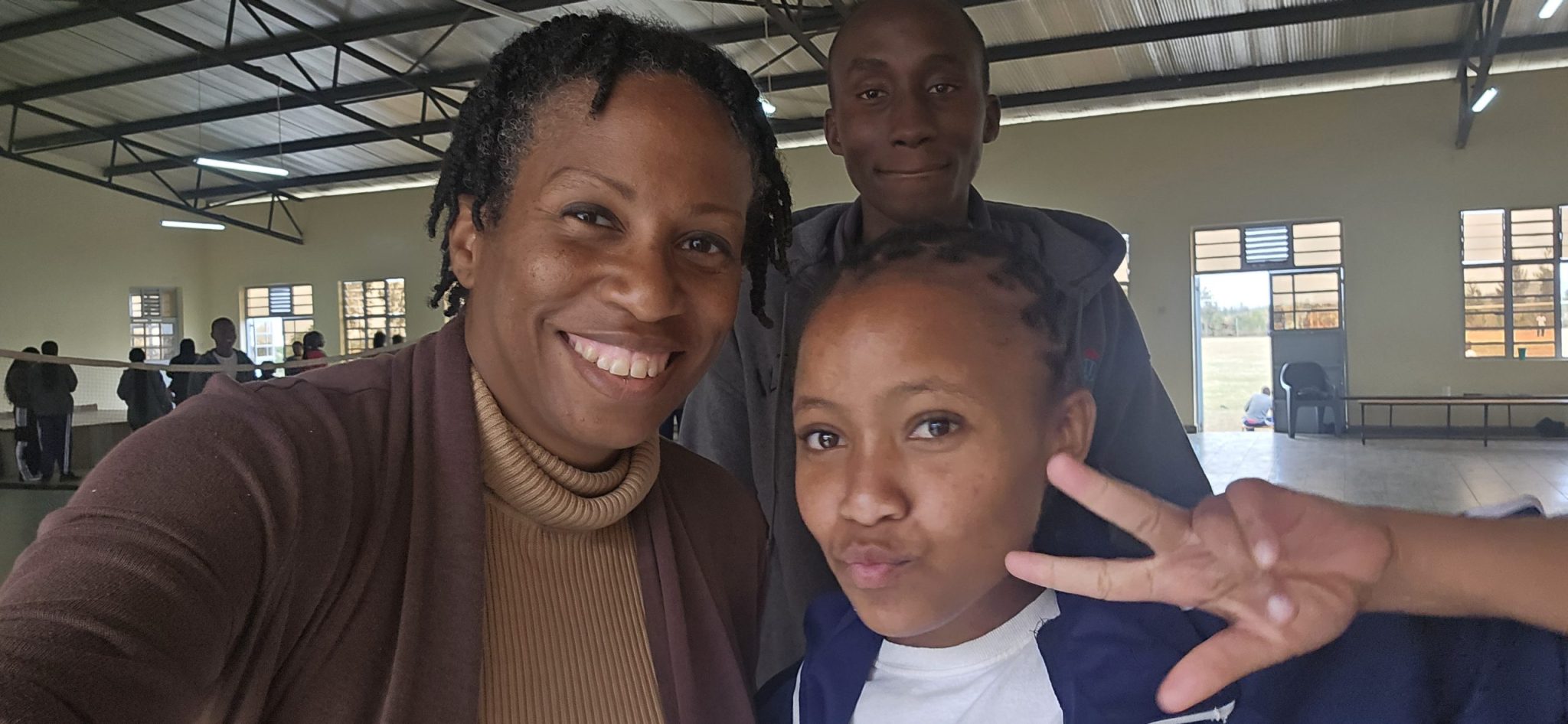
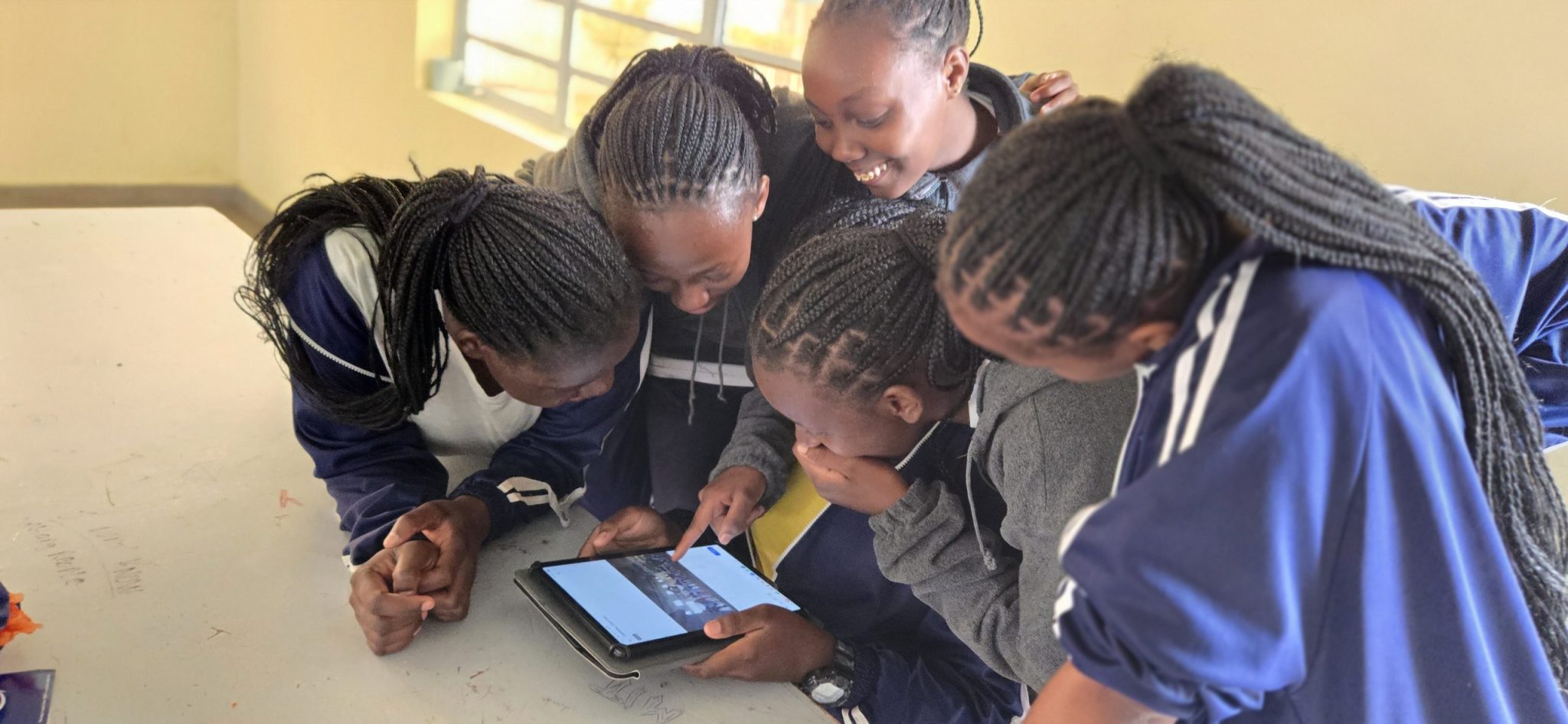
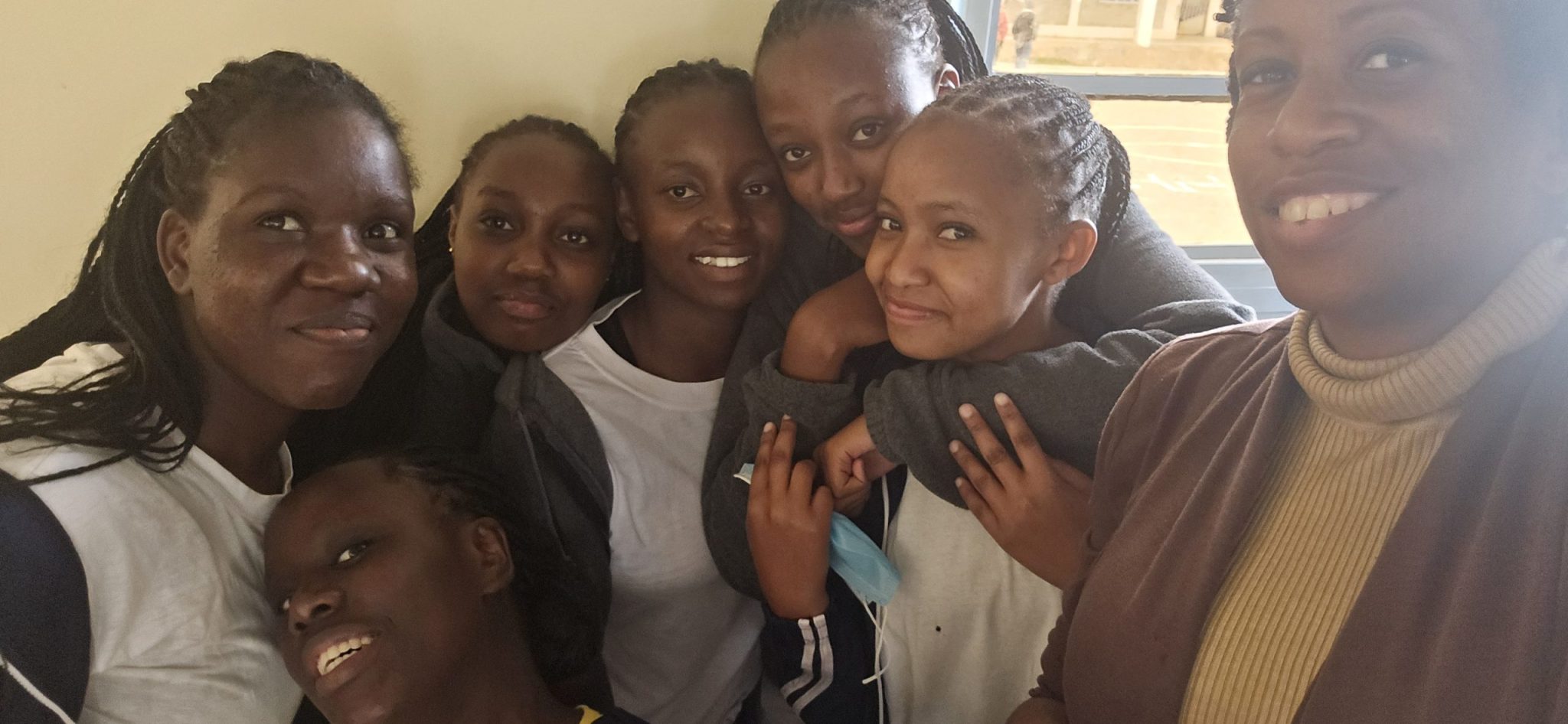
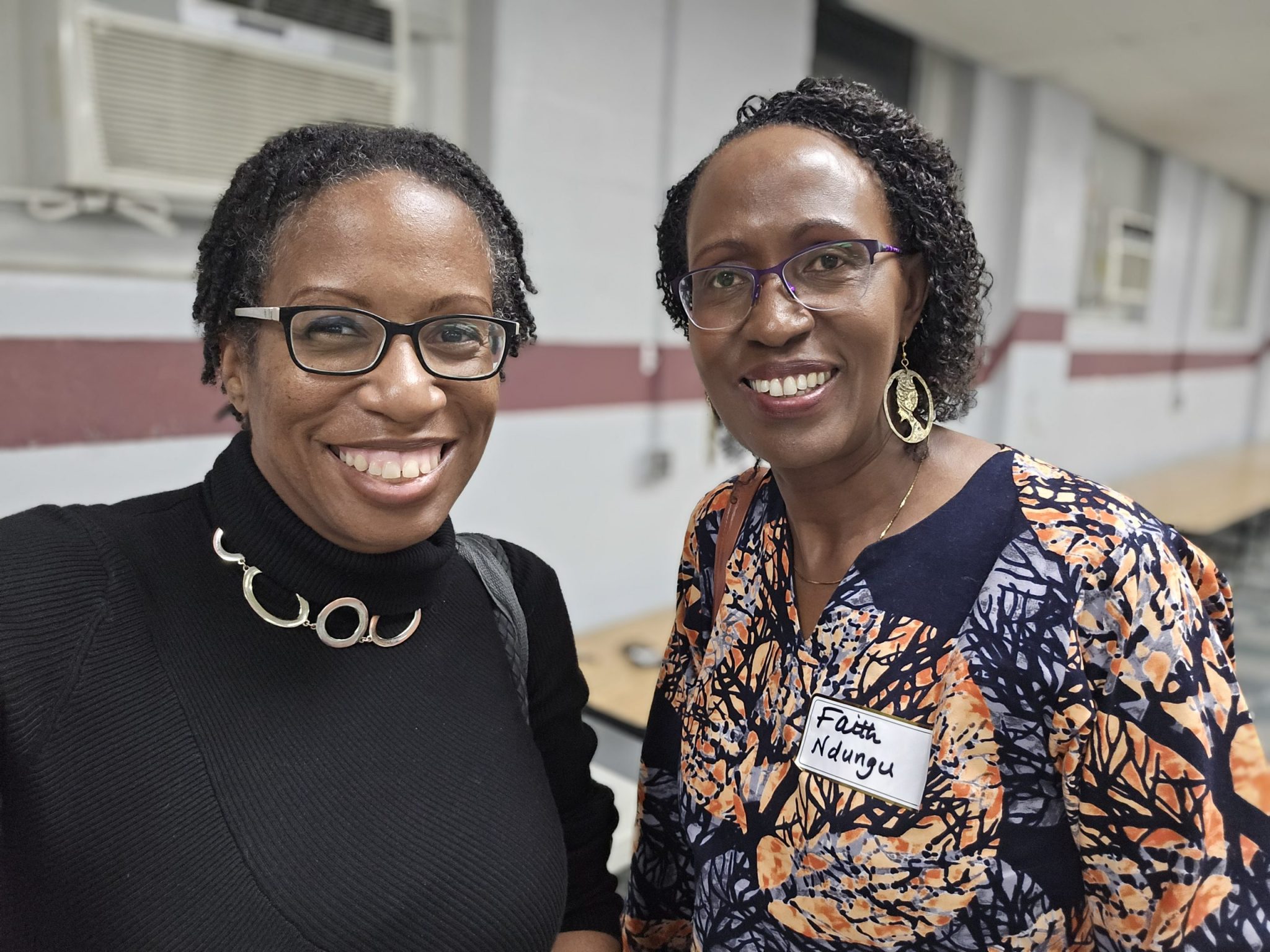
Picture 1: Faith and Jonathan, Picture 2: Girls for Happy Life gather around tablet to see pictures from Kennesha’s 2018 visit. Picture 3: selfie with girls from my 2018 visit pictured as teenagers in high school.
Watching them respond to those pictures reminded me that I had been carrying only one version of what happened in 2018. The photographs were part of my record of that time, but the students were looking at pieces of their own childhood and remembering experiences that had continued living with them long after I returned to the United States.
Some began reminding me of the Indian cultural dance we had worked on for the Kenya Music Festival, and Abraham and Henry remembered specific movements that had stayed with them. I had attached English words to parts of the choreography years earlier to help the children remember what came next, and apparently my enthusiasm while teaching those sections had become part of the memory too. Hearing them demonstrate the movements back to me showed me that what stayed with them was not always what I would have expected.
The same thing happened when the girls brought up a small song I had made while I was learning Kiswahili. I had been amused by the difference between keti, meaning “sit,” and kiti, meaning “chair,” and somewhere in the middle of spending time with them, I turned those words into a playful little song that also included a line about golden shoes. At the time, it had simply grown out of laughter and my attempts to remember the language, so hearing them sing it back to me eight years later recovered a memory I had nearly lost.
I remembered the major events from 2018, but the students were bringing back some of the ordinary experiences that existed alongside all of the festival preparation. As the afternoon continued, I found myself listening as much as I was talking, and the tablet passing between them became more than a way to look at old pictures. It gave us a way to remember together, with the students returning pieces of that time to me while also telling me what those years held from their side of the story.
Leah Comes Home
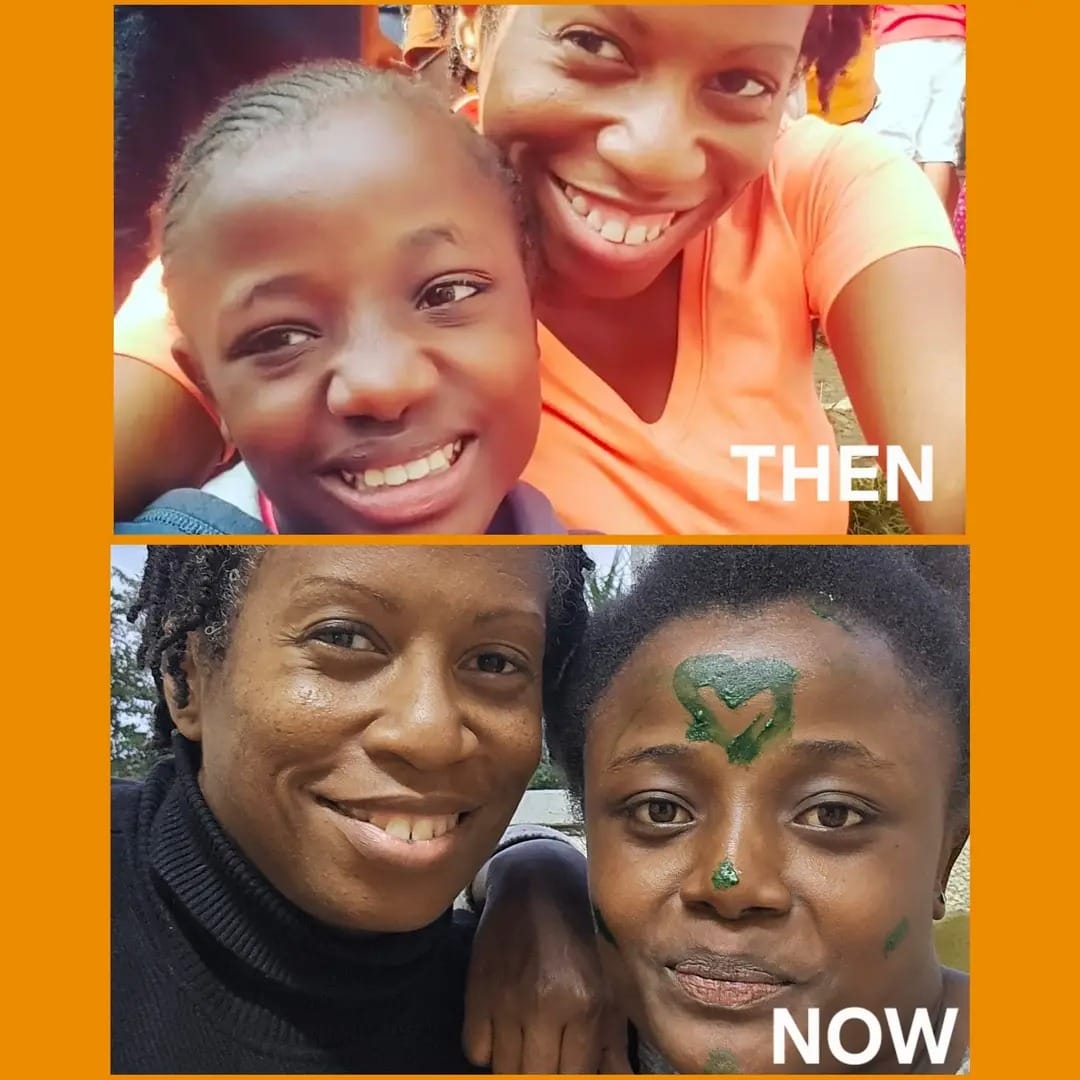
Among the students I had hoped to see at Faith Premier was Leah, and as I moved through the afternoon reconnecting with familiar faces, I kept looking for hers. I eventually learned that she was not there because she had been in the hospital, so I left hoping and praying that I would still have an opportunity to see her before my time at Happy Life ended.
Not long after the Faith Premier visit, Leah returned to the Happy Life compound to continue her recovery. I was grateful simply to have her back where I could spend some time with her before leaving Juja Farm, and seeing her again brought back memories of Nissi House, where she had been one of the older girls during my 2018 stay.
Esther, Cynthia, and Ivy were among the younger girls living there at the time, and I had spent many evenings getting to know the children beyond the music and activities that filled our days. I still remember one evening in June 2018 when I stayed longer and listened as the children said their prayers before bed. Their prayers affected me deeply and reminded me even then that sometimes the most meaningful thing I could offer was simply my presence.
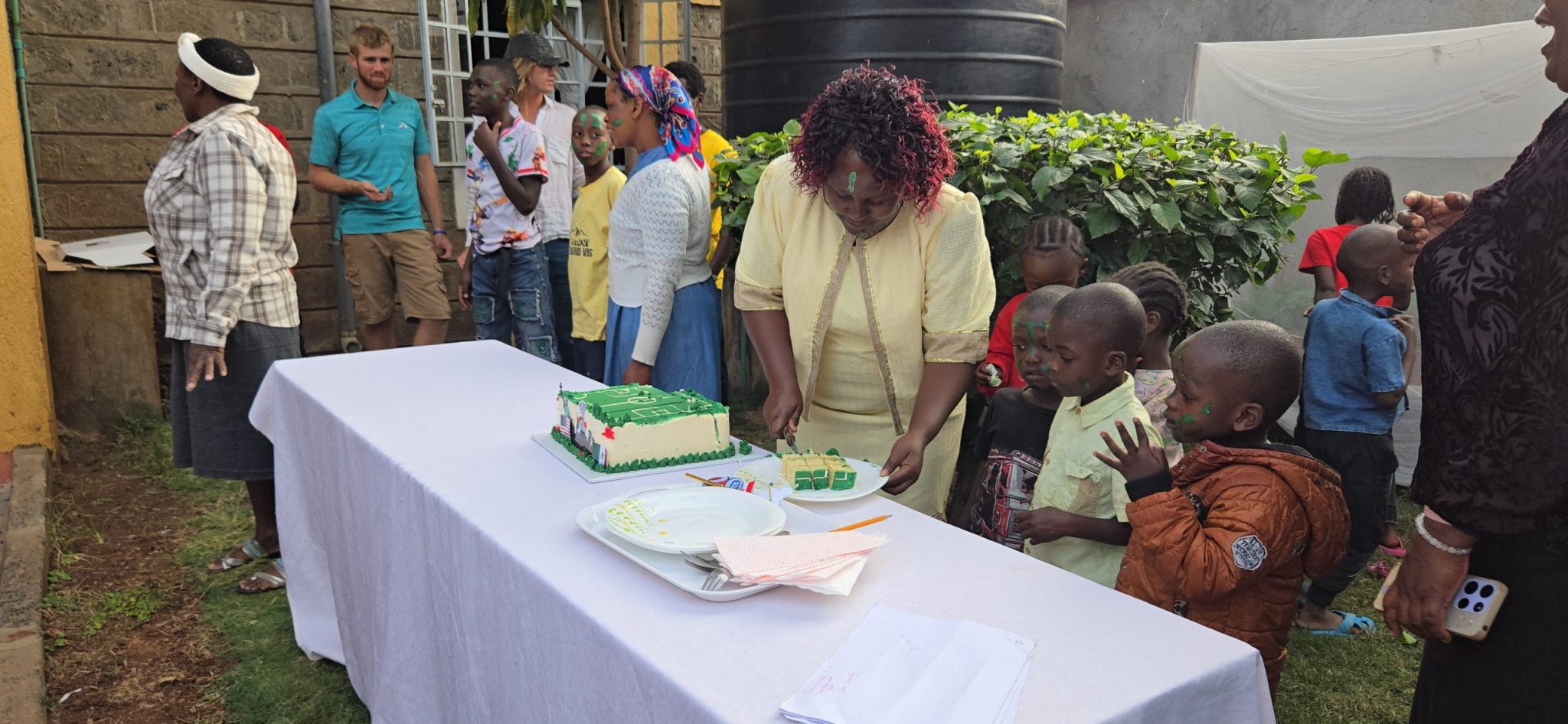
The day after Leah returned, the Children’s Home held a celebration for several children whose birthdays were being recognized, and she was among them. One of the traditions allowed the child to choose someone they knew to feed them a piece of cake, and Leah chose me. After looking for her at Faith Premier and not finding her there, being included in that moment meant a great deal to me. Leah then decided that she wanted to feed me cake in return, turning the moment into something playful between us.
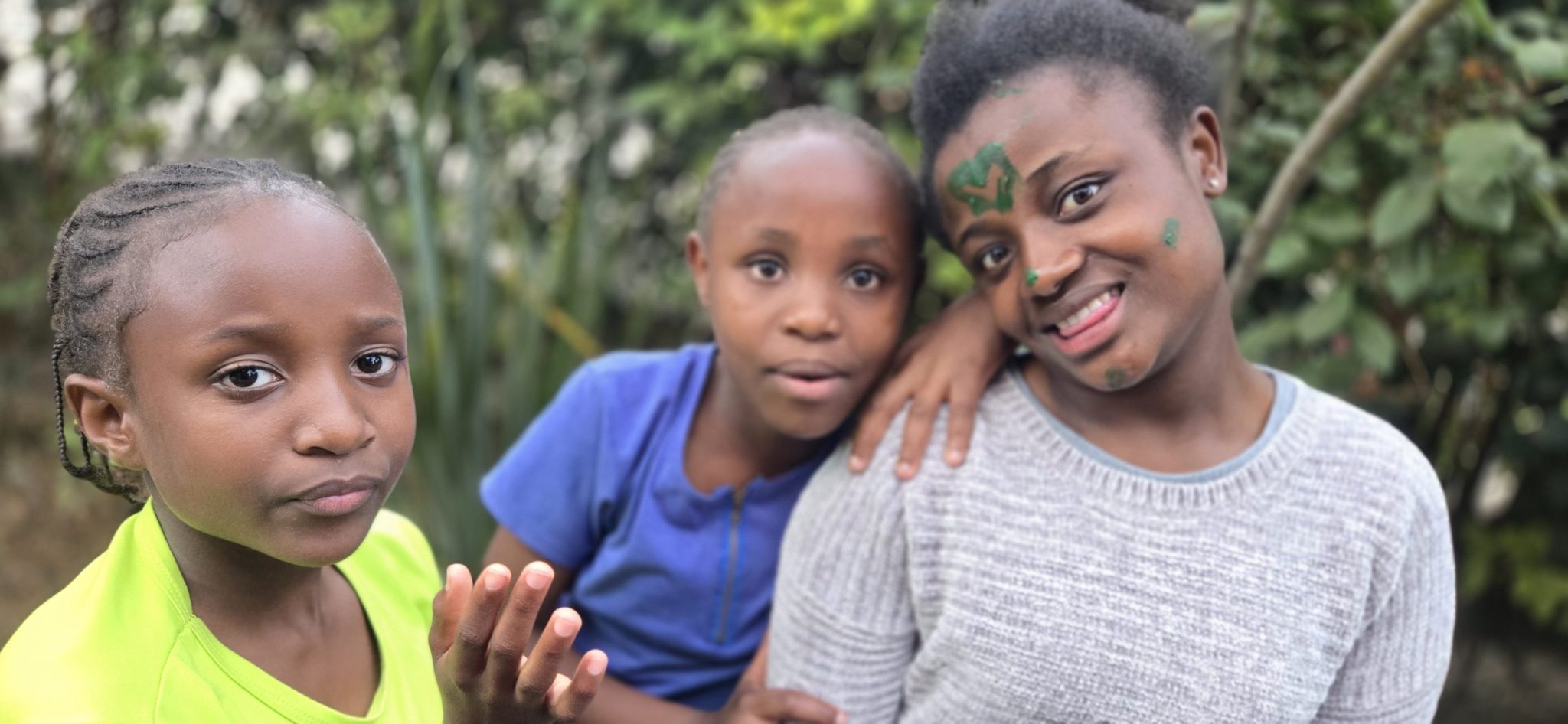
Later that evening, after the birthday celebration had ended, I spent time with Leah, Hadassah, and Shiko in the girls’ dormitory hallway. We were talking and laughing when singing gradually became part of the gathering, and before long more of the girls began joining us. We sang in English and Kiswahili, and my singing in Kiswahili caught some of them by surprise because they remembered me from a time when I was still learning the language.
Their reaction brought plenty of laughter, but I also appreciated what the moment represented. They were seeing something that had continued developing in me during the years I had been away, while I was getting the opportunity to discover how much had changed in them. Singing together gave us another way to reconnect without needing to recreate what our relationship had looked like when they were younger.
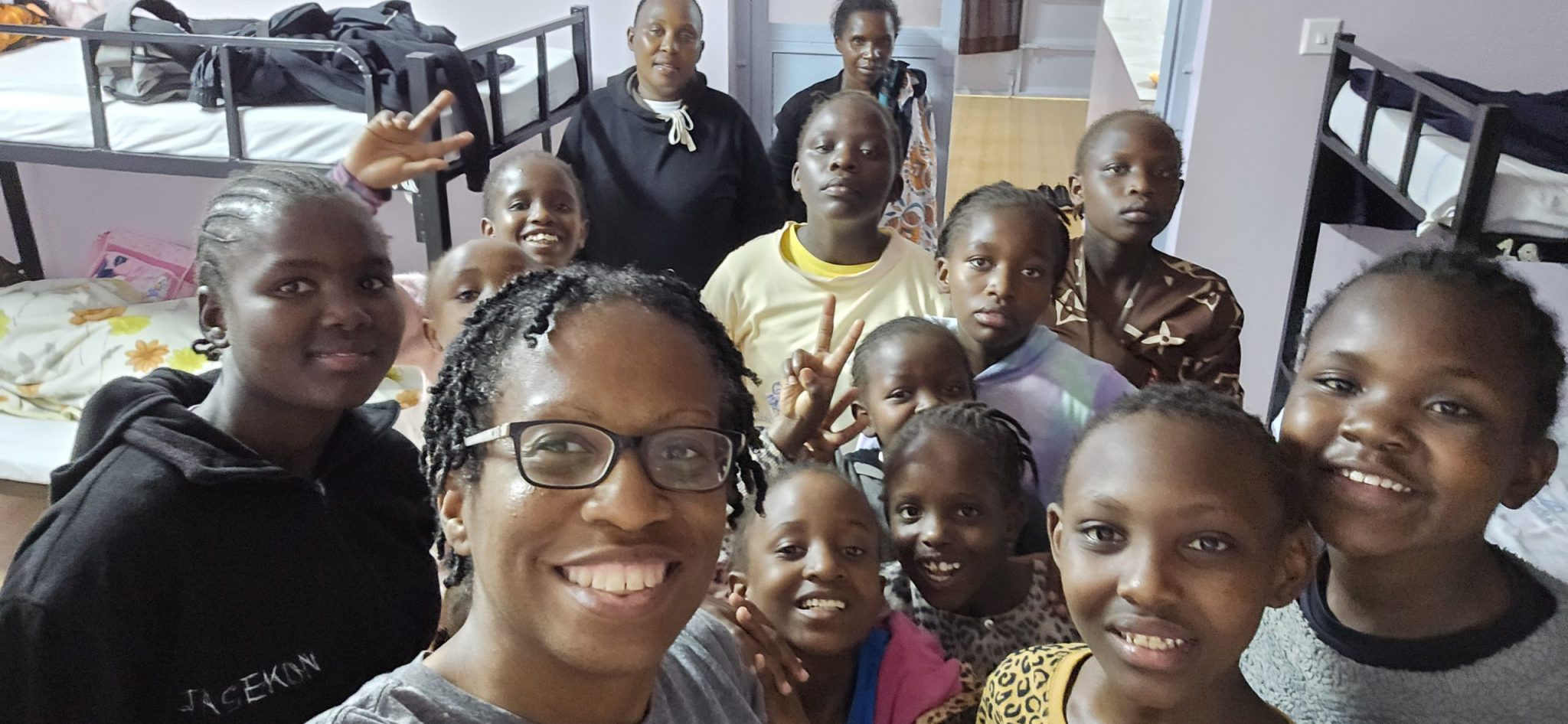
As the gathering continued, we took pictures and simply enjoyed being together without a lesson or performance attached to the time. I could listen to the girls and give them attention that did not require us to accomplish anything before the night ended. Sitting with them reminded me of what I had valued so much about those earlier times at Nissi House. In 2018, I had listened to their prayers and shared in the solitude of their lives. In 2026, some of those same girls were sitting with me again at a very different age, and although our conversations had changed, the value of being present with them had not.
Seeing Them at the Edge of Adulthood
Seeing Leah and the girls again was only one part of realizing how much the children I had known in 2018 had grown. The visit also gave me opportunities to reconnect with some of the young men I had known when they were much younger. Dominic, Peter, and Leon were all there during my stay, although my time with each of them looked different depending on their responsibilities.
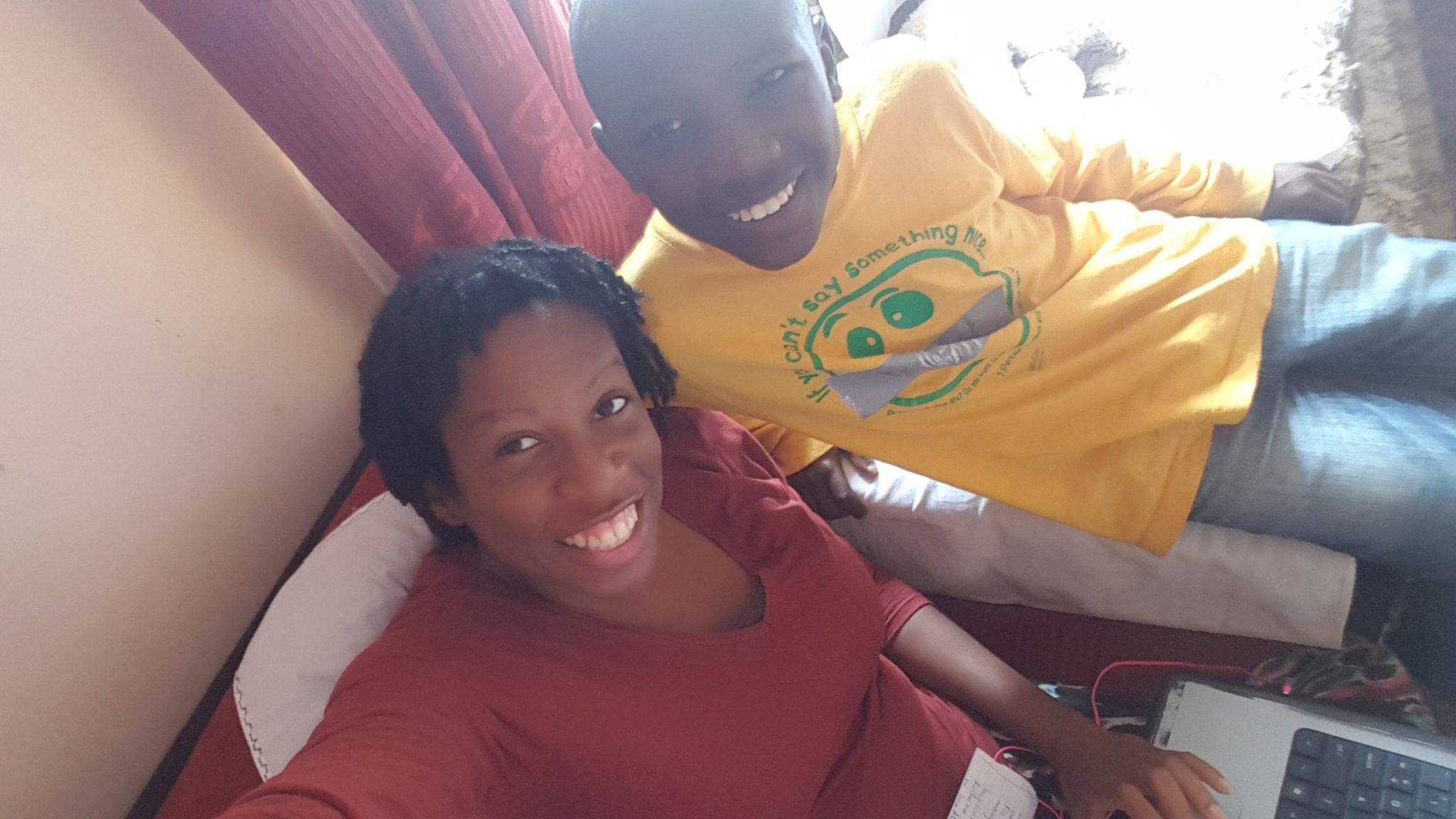
Leon was working quite a bit, so most of our interaction happened through brief conversations whenever our paths crossed. I did not have the same amount of time with him that I eventually had with Dominic and Peter, but I was still grateful for those moments and for the opportunity to reconnect with someone I had known at a very different age.
My memories of Peter and Dominic reached back to some of the ordinary time we shared in 2018. Peter is Dominic’s identical twin and the firstborn, and during one of my August evenings at Happy Life, he became one of the children helping me with Kiswahili. He helped me with typed Kiswahili and agreed to work with me on my reading, while Dominic and Henry were eager to join whenever they could. I remember jokingly calling him “Mwalimu Peter” because he even gave me a homework assignment to complete before we worked together again.
Those language lessons gave me a different way to spend time at Shalom House and became part of how I got to know Peter and Dominic beyond the larger music activities happening around us. I also remembered their smiles. Whenever I looked at either one of them, they seemed to have an infectious smile that made it almost impossible not to smile back, and years later that was still one of the things I immediately associated with them.
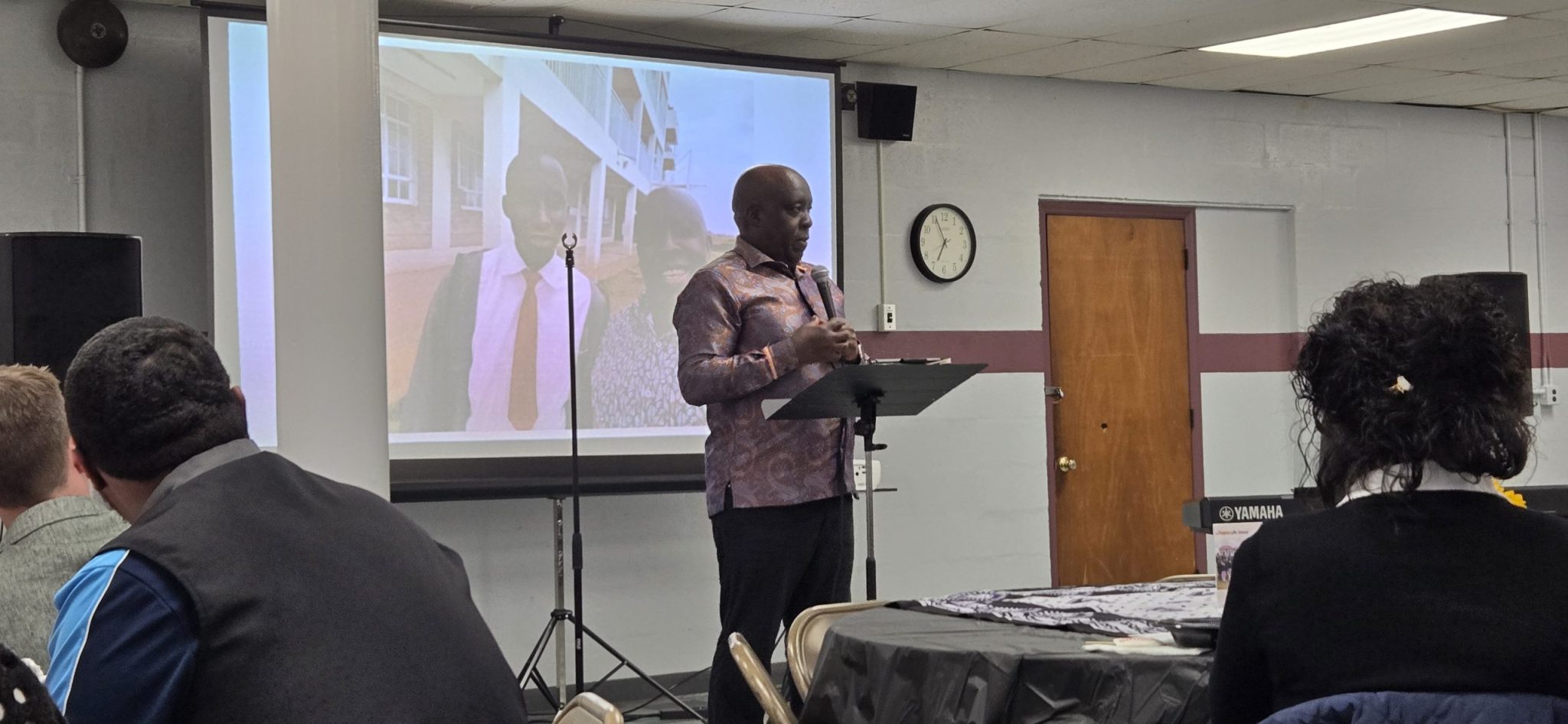
By 2026, Dominic and Peter had graduated from high school and were in an interim period before beginning university. They were taking shorter classes while helping around the compound and preparing for the next step in their education. During a May gathering with supporters in Delaware, Bishop Peter and Pastor Faith shared that Dominic was interested in engineering and electronics, which made me begin thinking about what I could bring that would allow him to explore those interests practically.
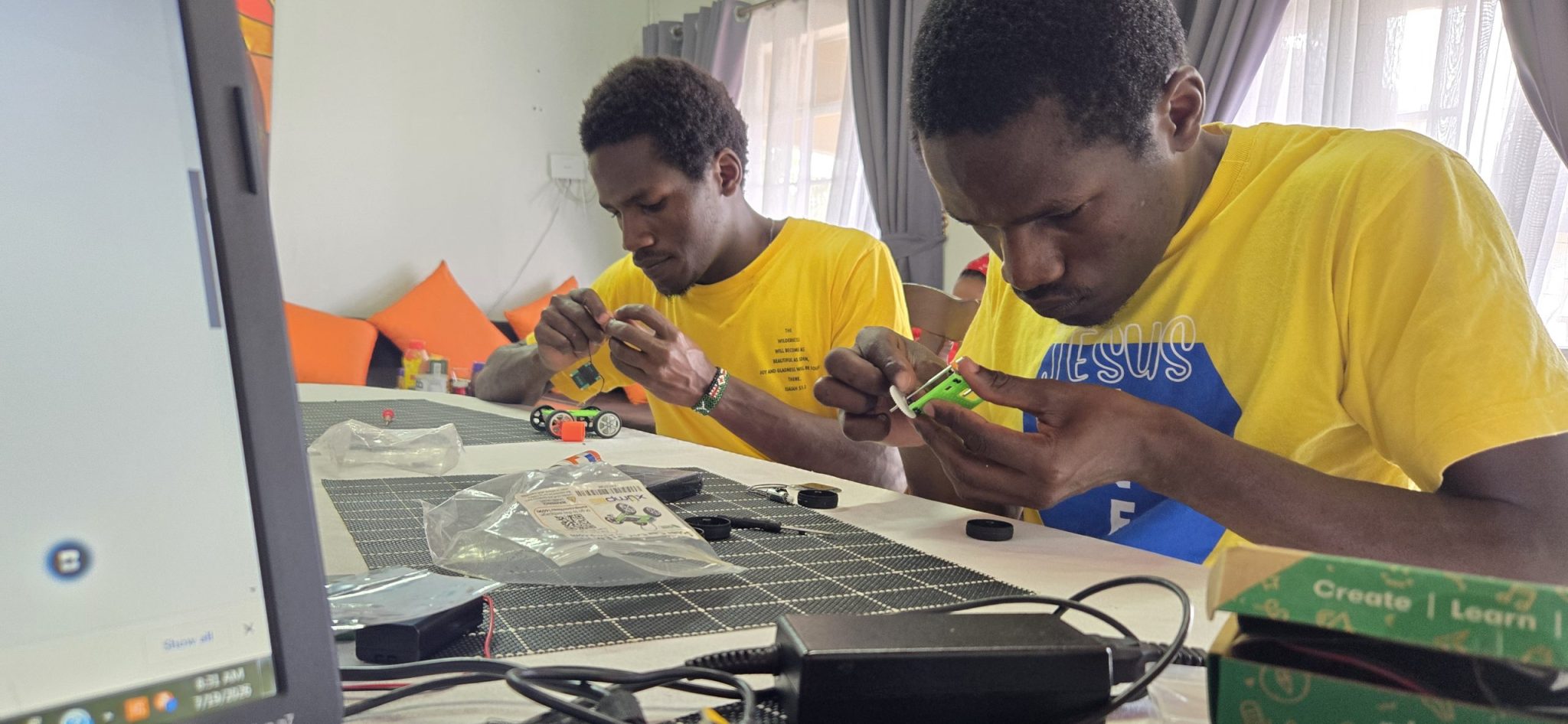
I packed several older solar-powered cars that were no longer fully functional because I thought the repairs themselves could become part of the learning. When Dominic and Peter finally had time to sit down with me, we worked through the cars together and tried to determine what could be repaired well enough to get them moving again in the sunlight. Working with the cars gave us a practical way to talk about electronics while allowing them to examine what was happening directly in front of them.
I had also purchased micro:bits so they could experience programming in a hands-on way. Using my laptop, I showed them how to create a program and transfer it to the device, allowing them to see the relationship between what appeared on the screen and how the hardware responded. Our conversations naturally connected with concepts they had already encountered in school, including circuitry and Ohm’s law, but now they had equipment in front of them that made those ideas more tangible.
Finding uninterrupted time together took some patience because Dominic and Peter were balancing classes and responsibilities around Happy Life. When we were able to sit down, we sometimes spent a couple of hours working through the equipment while our conversations moved naturally toward what interested them and what they were thinking about for the future.
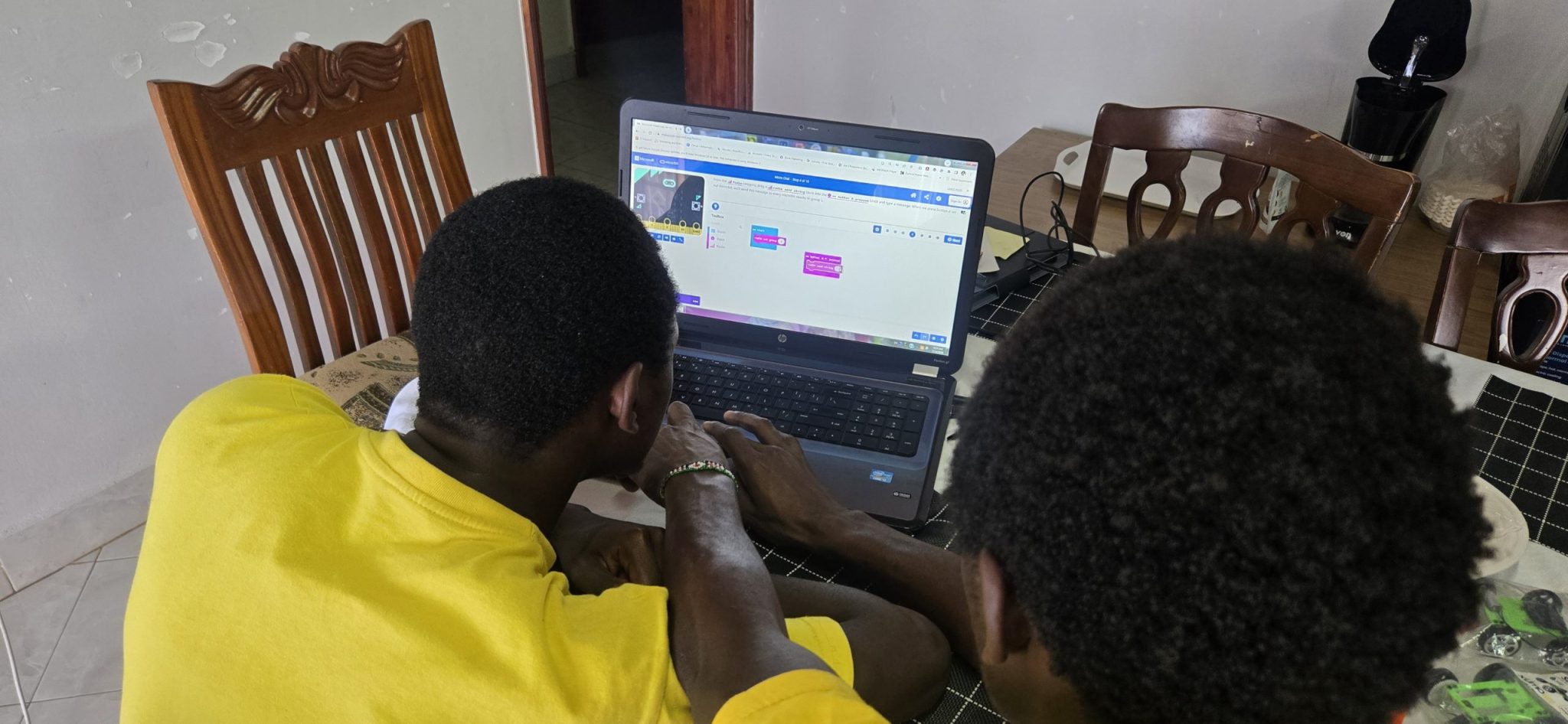
As we worked, some of the memories from the time we had spent together in 2018 also began returning. The relationship had begun years earlier through Kiswahili lessons and time together at Shalom House, so sitting with them in 2026 did not feel like beginning again from the start. Instead, something that had first grown through language and ordinary time together was now finding room to continue through technology and the questions they were beginning to ask about what might come next in their education.
Eight years earlier, Peter had been helping me learn Kiswahili and giving me homework. In 2026, we were sitting together with Dominic, talking about electronics and programming while they prepared for life beyond high school. The subject matter had changed considerably, but what mattered most to me was recognizing that the relationship still had room to grow with them.
Reuniting with Mom Safari
The people I hoped to reconnect with were not only the children I had known in 2018. Some of the adults who had shaped my experience at the Children’s Home were still there as well, and Mom Safari, whose first name is Beth, was someone I was especially grateful to see again. I had first met her briefly during my 2017 visit to Juja Farm, but it was during my extended stay in 2018 that I had the opportunity to spend more time with her and get to know the woman behind the role she carried among the children.
Seeing her again in 2026 felt familiar in a way that was difficult to separate from the years that had passed. Our time moved easily from conversation into singing, and before long we found ourselves dancing together outside in the yard. I had continued learning Kiswahili while I was away, so this time I could bring more of the language into our time together through songs I had learned since my earlier visits.
Singing and dancing with Mom Safari.
Mom Safari was also my Mwalimu in the language, and we made use of our time together by practicing Kiswahili in conversation. What had once been another part of my learning during earlier visits had now become part of the way we could reconnect, allowing the language itself to become one more bridge between where our relationship had begun and where it was in 2026. Her faith had always stood out to me, and being around her again showed me how naturally it remained woven into everyday life at Happy Life. Prayer and encouragement were not confined to scheduled services because her faith was simply part of the way she lived among the children. She even has her own TikTok account where she sings and dances to gospel songs from her culture, which gave me another glimpse of the joy and expression that were already so familiar to me.
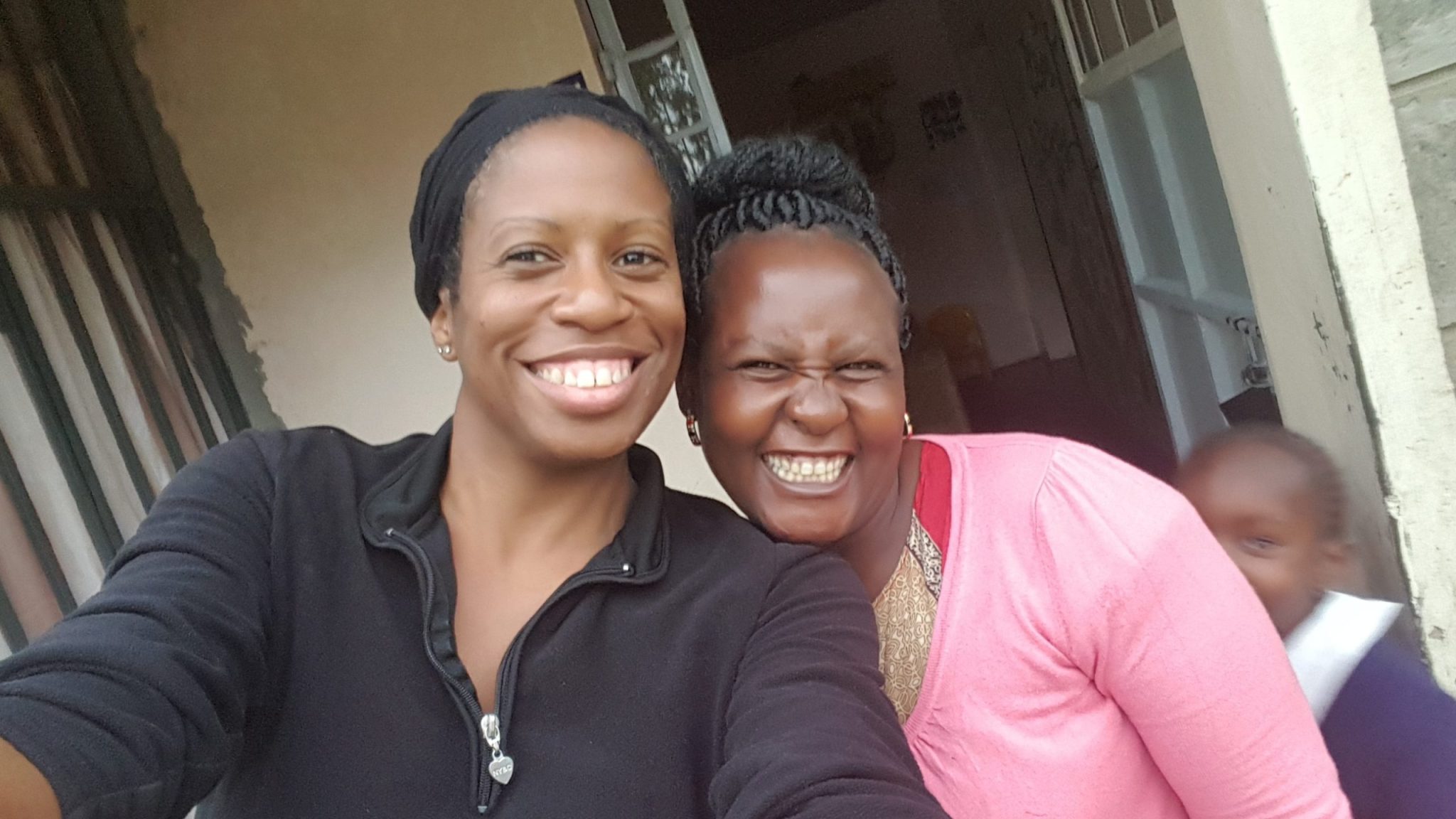
Mom Tere, whose first name is Mary, was another familiar presence from 2018. Seeing both women again reminded me of the spiritual foundation that continued to surround the children, including the Friday night prayer gatherings that remained part of life at the Children’s Home.
I appreciated seeing Mom Safari and Mom Tere not only as people I remembered, but as women who were still pouring into another generation of children. Many of the children I had known in 2018 had grown older or moved into other parts of life, yet these women remained there offering the same kind of steady presence I remembered. Spending time with them also drew me more deeply into the everyday life of the Children’s Home during this visit. Some of the most meaningful moments came as I entered the houses and spent time with the children as the day came to a close, where there was room for a different kind of connection than the one that developed through rehearsals or teaching.
Dancing with the house mothers of Happy Life Children’s Home.
Evenings of Stories and Prayer
Some of my quieter time at the Children’s Home developed through visits to one of the neighboring houses with the girls. Mom Safari allowed me to take a copy of Joto la Moyo with me so I could practice reading Kiswahili, and the book soon became part of a simple routine that gave me another way to spend time with the children outside of structured activities.
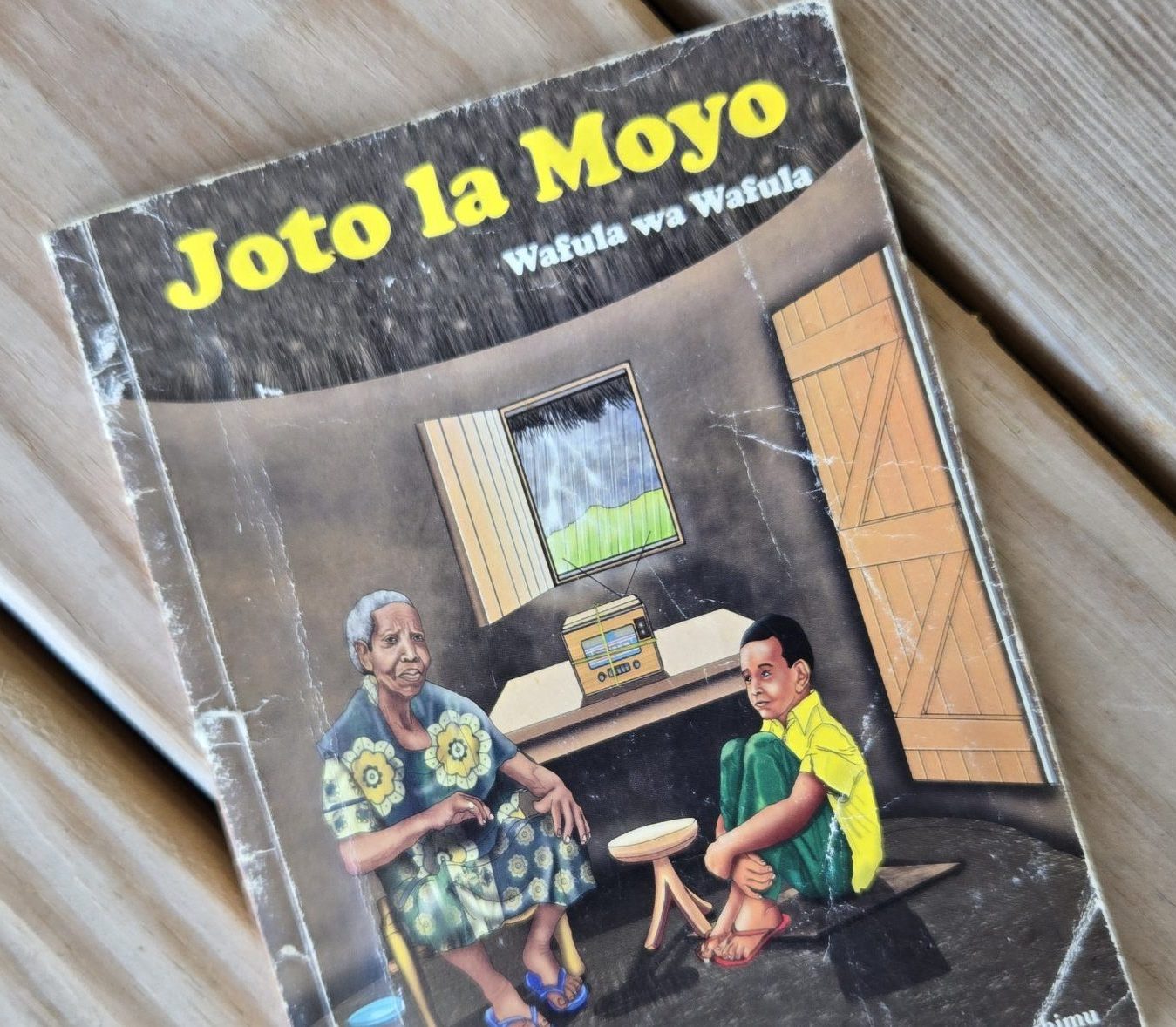
Reading Joto la Moyo gave me an opportunity to continue practicing my Kiswahili while sharing something with the girls. The mother of the house would help when I needed assistance, and the children would listen as we worked our way through the story together. Reading aloud required me to slow down and pay attention to the language, but the girls were patient with me and seemed to enjoy having the story become part of their bedtime routine.
I usually arrived early enough to hear the songs and prayers that were already part of how they closed the day, and then we would settle into the reading. As I continued through the story, the room would gradually grow quieter. Some of the girls tried to stay awake through the entire chapter, while others slowly began dozing off as they listened. Once I reached a stopping place, those who had fallen asleep would wake enough to begin getting ready for bed.
Spending that time with them allowed me to see a side of the Children’s Home that felt very different from the energy of daytime rehearsals. Nothing needed to be prepared or completed before I left. I could simply read with the children, practice my Kiswahili, and become part of the ordinary rhythm of their home life for a little while.
The reading began to matter enough to the girls that they noticed when I could not come. On nights when something prevented me from visiting the house, some of the children would find me later and ask whether I would be coming to read again. Their questions made me smile because what had started as a simple opportunity to practice Kiswahili through a story had become something they were expecting and looking forward to.
I had spent so much of my mission preparing things to teach that this part of my time with the children reminded me how much relationship can grow when nothing elaborate is planned. Sometimes it was simply a chapter from a book and a child trying to stay awake long enough to hear what happened next. Those moments gave me room to slow down and give the children my attention without measuring the time by what we had accomplished.
Those visits became another part of how I came to know this group in 2026. Some of the children were connected to the Happy Life I remembered from years earlier, while others were entirely new to me, but Joto la Moyo gave us a memory that belonged to this visit alone.
The Children I Remembered
Returning to Happy Life after eight years showed me that the memories I shared with the children were not always held in the same way. Some of the older children could tell me what they remembered about our time together in 2018, while with some of the younger ones, I was the person who remembered them from a time when they were still too young to hold those memories for themselves.
Cynthia, Ivy, and Esther were among those younger girls. They had only been around PP2 through second grade during my 2018 stay, so they were too young to be part of the main group preparing for the Kenya Music Festival. My memories of them came more from the everyday life surrounding that work, especially the playful moments when I could spend time with them away from rehearsals and simply enjoy being around them.
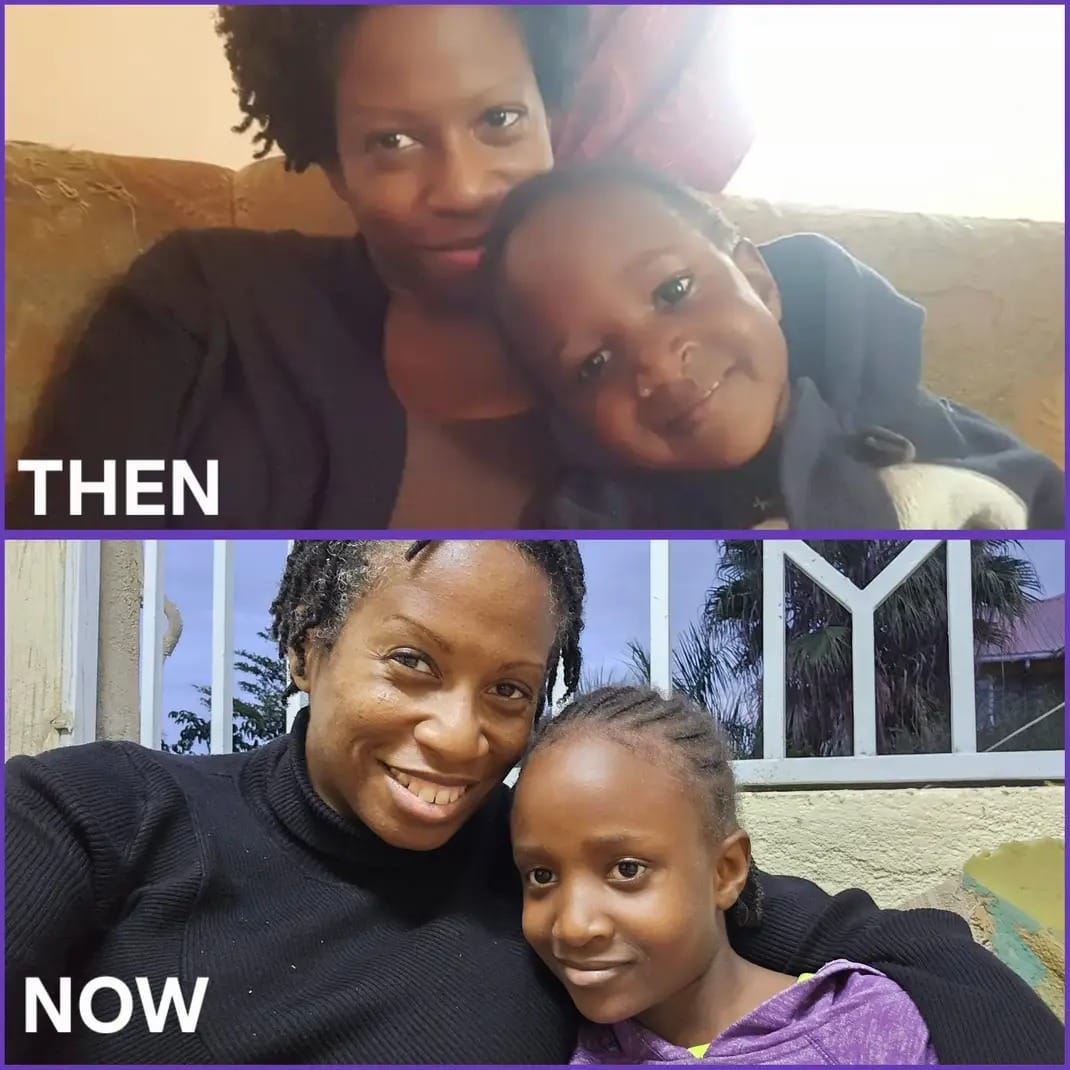
Even though some of the younger girls could not participate in the Indian cultural dance, they were certainly paying attention to what the older children were learning. Ivy, Cynthia, and Hadassah had watched us rehearse the routine so often that they began picking up pieces of the choreography themselves.
One day inside Nissi House in 2018, when no formal rehearsal was taking place and none of the older dancers were with us, the three girls decided they wanted to show me what they knew. They began doing movements they had watched us practice, including one I called “Push and Stretch,” which everyone knew was one of my favorite parts of the routine. Watching them imitate what they had learned simply by observing from the sidelines showed me how much they had absorbed, even though they were too young to perform with the older children.
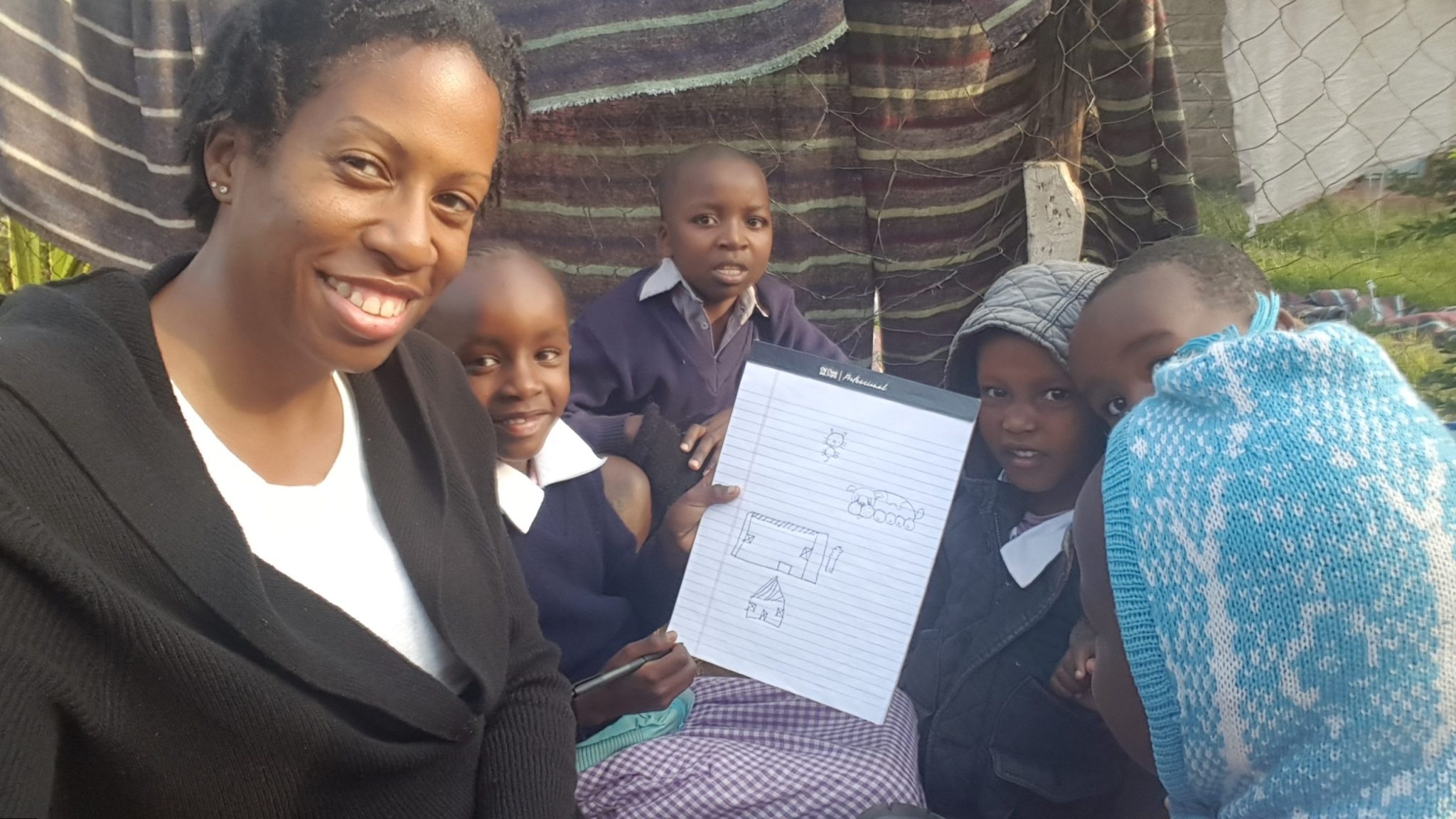
Other memories came from moments that had nothing to do with rehearsals at all. I remember Esther sitting with my notepad in June 2018 and drawing a cat and a school before I began making bubble-letter drawings of the children’s names. The kids enjoyed seeing their names take shape on the page, so something I had started while waiting to speak with one of the mothers became another way for us to spend time together.
A playful moment with some of the girls during the 2018 mission to Kenya.
A few weeks later, Esther was playing with my hair while Leah styled it into little tails. Indian music was playing in the background as we talked, and the girls decided that my new hairstyle made me look like a pussycat. Those playful moments were never part of anything I had planned to accomplish in Kenya, but they became part of what I remembered about simply living among the children.
By August 2018, the girls had found another reason to have fun with me when some of them became fascinated with my long nails. They did not believe the nails were actually mine, and Esther started using stickers to make her own nails look longer before Sarah joined her, followed by Ivy and Cynthia. I remember how much fun they were having with something so simple, and memories like those became part of what I carried home from the Children’s Home just as much as many of the larger activities I had come to Kenya to do.
Seeing Cynthia, Ivy, Esther, and Hadassah again in 2026 gave those memories a different weight because I was now standing in front of girls who were much older than the little ones I could still picture so clearly. I remembered the children who had copied dance movements and found ways to make me laugh, but now I could sit with them at an age when our conversations could go much further than they had eight years earlier.
Some of the memories belonged more strongly to me, while they carried pieces of that time from their own childhood. Returning gave us the opportunity to bring those different memories into the same space and revisit a shared history from perspectives that had changed as all of us grew older.
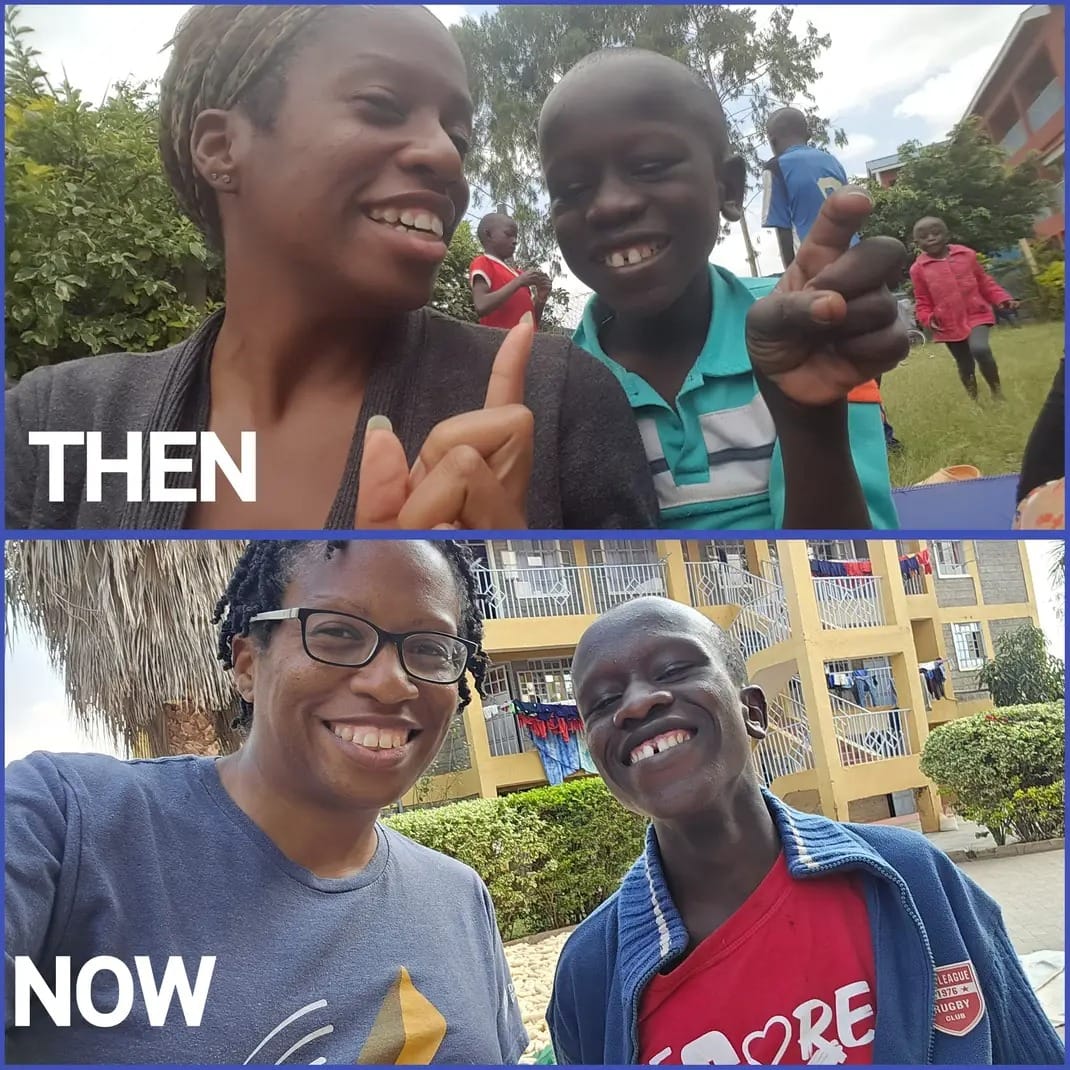
Edwin, whom I also knew as Edu, was another child connected to a memory that had stayed with me from 2018. One evening in August, after we returned from a long day, he greeted me at the window and said my name, “Kennesha.” I had never heard him say my name before, and no one had prompted him to do it, which made the moment especially meaningful to me. The next morning, I heard him singing “I Believe” by Jonathan Nelson, one of the songs I had been teaching the children to sing in church and around the compound. I remember writing about that moment while I was still at Happy Life because it had affected me so deeply.
Seeing Edwin again in 2026 brought that memory forward in a way that photographs from the two visits can now show more clearly than words alone. I could remember the child whose laughter and smile had stayed with me from 2018 while also seeing him as he was eight years later. Like so many of the reunions during this return, the experience gave me another opportunity to connect a memory I had carried home with the person standing in front of me now.
My return also gave me the opportunity to reconnect with children I had first seen at an even younger age. Some of the children now at Happy Life were babies when I first encountered them at Roysambu in 2018, including Emma, Gideon, and Melissa, just to name a few. I had carried a strong photographic memory of several of those babies over the years, so encountering them again as school-aged children created a different kind of reunion.
By 2026, several of the children I remembered as babies were now in third, fourth, or fifth grade, which meant I could finally interact with them in ways that had never been possible at Roysambu. Instead of simply remembering the baby I had once seen, I could spend time with the child standing in front of me and begin discovering the personality that had developed during the years in between.
When the opportunity came, I was able to let some of them know that I remembered seeing them as babies at Roysambu. I never expected them to remember me in return since they had been far too young, nor did I want them to feel as though they were supposed to share a memory that could only belong to me. I simply wanted them to know that I remembered them and that seeing how much they had grown meant something to me.
Some of those children eventually became part of the “Watch God Move” dance routine, while I came to know others through creative arts activities and daily life at the Children’s Home. The children I had held in my photographic memory as babies were now right in front of me, old enough for us to begin forming memories together that they could actually carry for themselves.
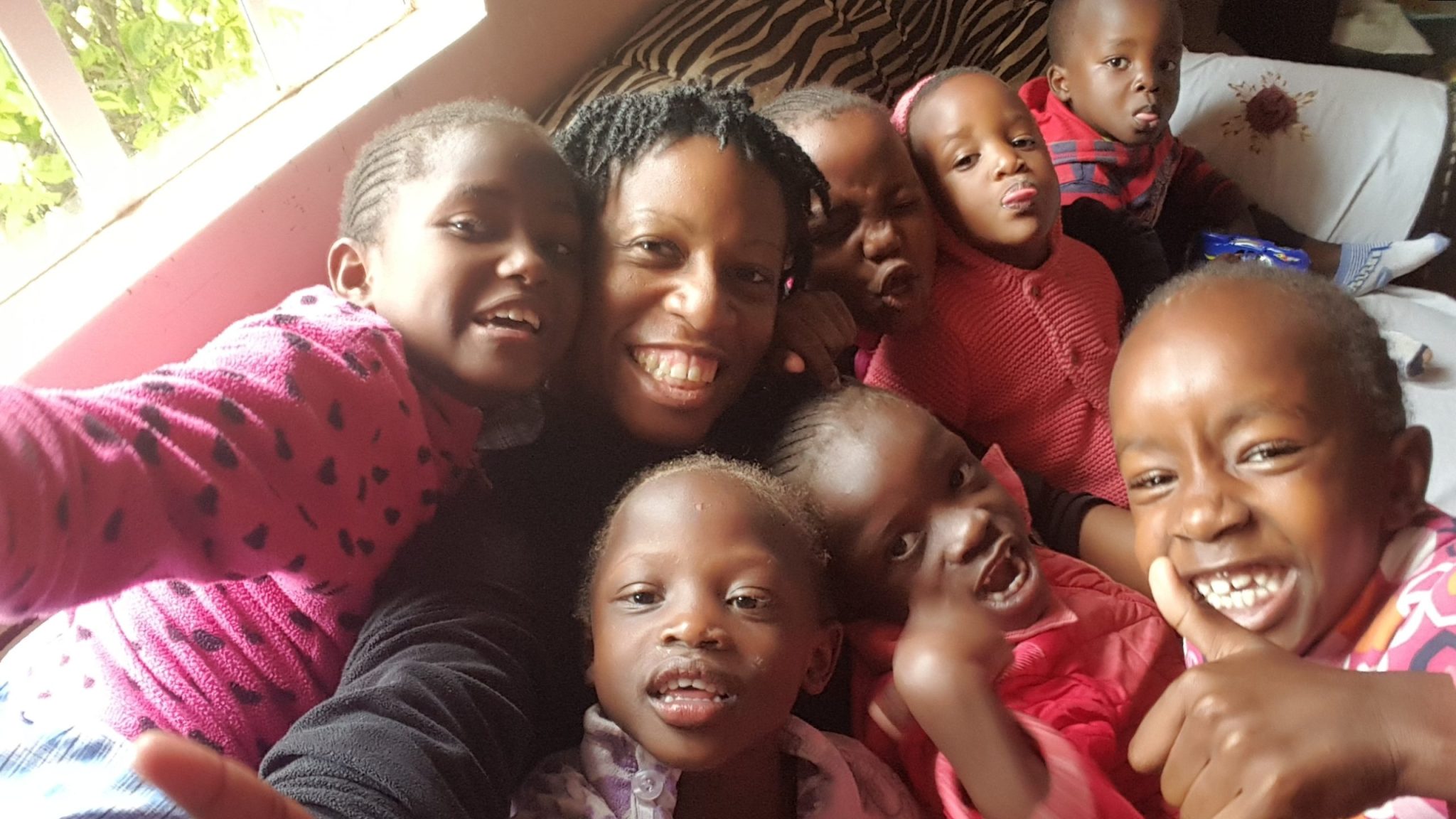
By the time I was preparing to leave Juja Farm, I could still picture Cynthia, Ivy, Esther, and Hadassah as little girls inside Nissi House, just as clearly as I could remember Emma, Gideon, and Melissa as babies at Roysambu. Returning allowed me to connect those memories with the children standing before me in 2026, and this time I was leaving with more than the images I had carried for eight years. I had been given the chance to know them again through the people they were becoming.
Hadassah, Ivy, and Cynthia perform an Indian cultural dance they learned from watching the older children during the 2018 mission to Kenya.
Preparing Them for a Stage I Would Not See
Dance was woven through many of the memories I carried from Happy Life, even though it had become part of my work there in 2018 in a way I never planned. When the children first began preparing their Indian cultural dance for the 92nd National Kenya Music Festival, I was still observing the different areas in which they would be competing and watching the routine take shape under Teacher Gatimu. The students and teachers had begun working on the dance around the beginning of July, and by July 12, I found myself stepping in to help with some of the movements. What started with observation quickly became another place where I could contribute.
By the next day, I was spending much of my time helping put the routine together, fine-tuning movements Teacher Gatimu had already created and helping the children connect one section of the dance to the next. I remember being surprised that a part of my own background I had not expected to use in Kenya was suddenly becoming useful again.
Practicing with children with the Indian Dance, 2018
Several weeks later, I was able to watch that same group perform the Indian cultural dance at the National Kenya Music Festival. By then, what I had first watched from the sidelines had become something I had invested many hours helping the children prepare. Their performance received an 86% score among 24 participating schools, and seeing them reach that stage became one of the memories I carried with me long after returning to the United States.
Most of what I had done with Indian dance in 2018 was learned in the moment. I used YouTube videos to help me understand movements while also working with what Teacher Gatimu had already created, which meant that I was often learning at the same time I was helping the children. The experience left me wondering how different it might be if I had an opportunity to learn Indian choreography for myself before returning to Happy Life. That opportunity came in 2025 when I had the chance to learn Bollywood and prepare for a competition with other adult groups during Saluting the Spirit of India: India’s Independence Day Celebration on August 16 at Deep Run High School in Henrico County, Virginia. Our group prepared a Comedy-Family Dance Competition piece, so this time I was experiencing Indian-inspired choreography as someone learning a routine well enough to perform it myself.
Kennesha performing Bollywood with group in 2025. (on the left facing the stage)
I enjoyed the opportunity to experience exercise and choreography in a fun way, but Happy Life remained in the forefront of my mind while I was learning. I kept thinking about how being taught another Indian style might help me develop ideas when I returned to Kenya. I did not yet know what I would bring back, but I liked the thought that the next time I returned, I might arrive more prepared than I did in 2018.
As I began preparing for my 2026 return, that interest became even more specific. I wanted to explore Bhangra and considered whether I could learn the style well enough to introduce something new to the children rather than simply repeat what we had done before. My thought was to find an instructor in the United States who could teach me properly, thus giving me enough time to become comfortable with the new style before I ever attempted to teach it in Kenya.
As the months of preparation continued, I realized that I did not have enough time to approach Bhangra in the way I believed it deserved. I did not want to rush through learning a cultural dance simply so I could say that I had brought another Indian dance to Happy Life, especially when my earlier experiences had shown me how much preparation could go into presenting something well. Eventually, I let the Bhangra idea go for this visit, and my attention kept returning to praise dance.
Over time, I began to recognize that praise dance was where I needed to focus in 2026, which brought me back to “Watch God Move,” the routine I had spent months recovering before the trip. When I began teaching it on July 4, I still did not know that the children would eventually perform the dance in a talent showcase at the main location of Overcoming Faith Church.
I had simply wanted to bring them something they could learn while I was at Happy Life and leave behind a dance they could continue after I returned home. Once I learned that “Watch God Move” was being prepared for an actual performance, the time we had left together suddenly felt much shorter.
Although I was at Happy Life for nearly three weeks, the children and I did not rehearse every day. We generally had only two or three opportunities each week to work on the routine, which meant our actual teaching time added up to roughly six or seven days across about two and a half weeks. Knowing that the talent showcase would take place after I left Juja Farm made me much more aware of what needed to happen while we were together.
One of the moments that encouraged me happened on July 13. A personal situation prevented me from being there at the very beginning of rehearsal, but by then, the children had already spent several days learning the routine. When I was able to see what they were doing without my help. They had continued practicing what they knew instead of simply waiting for me to arrive and tell them what to do next. Their willingness to keep working showed me that the dance was beginning to move beyond something that depended entirely on my presence.
Children at Happy Life in Juja Farm, Kenya, practice singing and coordinated movements together during a rehearsal of “Watch God Move.”
From that point forward, I wanted to use the remaining rehearsals to make sure they felt prepared for the stage they would eventually step onto without me. Teacher Mary continued helping the children stay focused while I concentrated on the dance, and knowing that others at Happy Life would remain with them after my departure reassured me that their preparation could continue.
The difficult part was knowing that I would miss the actual performance in person. I was scheduled to leave Happy Life on July 22, while the talent showcase would take place on Sunday, July 26. By then, I had watched the children move from their first attempts at dancing an American-style praise dance choreography into a group that could carry the routine even further, so leaving four days before they stepped onto the stage meant trusting what they had already learned and trusting the people at the Children’s Home who would continue rehearsing with them.
Children at Happy Life in Juja Farm, Kenya, practice coordinated movements together during a rehearsal of “Watch God Move.”
Before leaving Juja Farm, I told the children that I still intended to watch them perform, and I meant it. By July 26, I was already in Kisii, but I made sure I knew when the event was taking place so I could watch online. I was able to see the children perform “Watch God Move,” and I also watched the performance band and singers present “Lord, I Lift Your Name on High,” the song Jeremiah and the other instructors had been preparing with them.
Watching from Kisii brought those different dance experiences together in a way I had not anticipated. In 2018, I had learned Indian dance movements while helping the children prepare for the Kenya Music Festival. By 2025, I had experienced Indian-inspired choreography from another perspective by learning Bollywood well enough to perform it myself. As I prepared to return in 2026, I had considered Bhangra, but I knew I did not have enough time to approach that style with the preparation and respect I believed it deserved.
Praise dance ultimately became the direction for this visit, and “Watch God Move” became part of the children’s own experience with me at Happy Life. Watching them perform from Kisii reminded me that dance did not have to look the way it had in 2018 to become meaningful again. I could bring what I was prepared to give in 2026, help the children make it their own, and then watch them carry it onto the stage even when I could no longer stand beside them.
“Watch God Move” dance routine, performed at the talent showcase, Come Worship Him, at Overcoming Faith Church.
Youth group sang and played instruments, “Lord I Lift Your Name On High”, at the talent showcase.
Not Another Eight Years
As my time at Happy Life came to an end, I found myself thinking less about whether I had accomplished everything I originally hoped to do and more about the relationships that had filled those weeks. I returned carrying memories from 2018 and wondering what it would feel like to see some of the children again, but I could not have known how many of those memories would meet me in such personal ways once I was back among them.
Some children remembered moments I had nearly forgotten, while others had been too young in 2018 to remember me at all. I also found myself standing in front of school-aged children whose faces I still carried in my photographic memory as babies. Each reunion was different, and returning reminded me that I could not expect every child to hold the same memories I did or to experience our shared history in the same way.
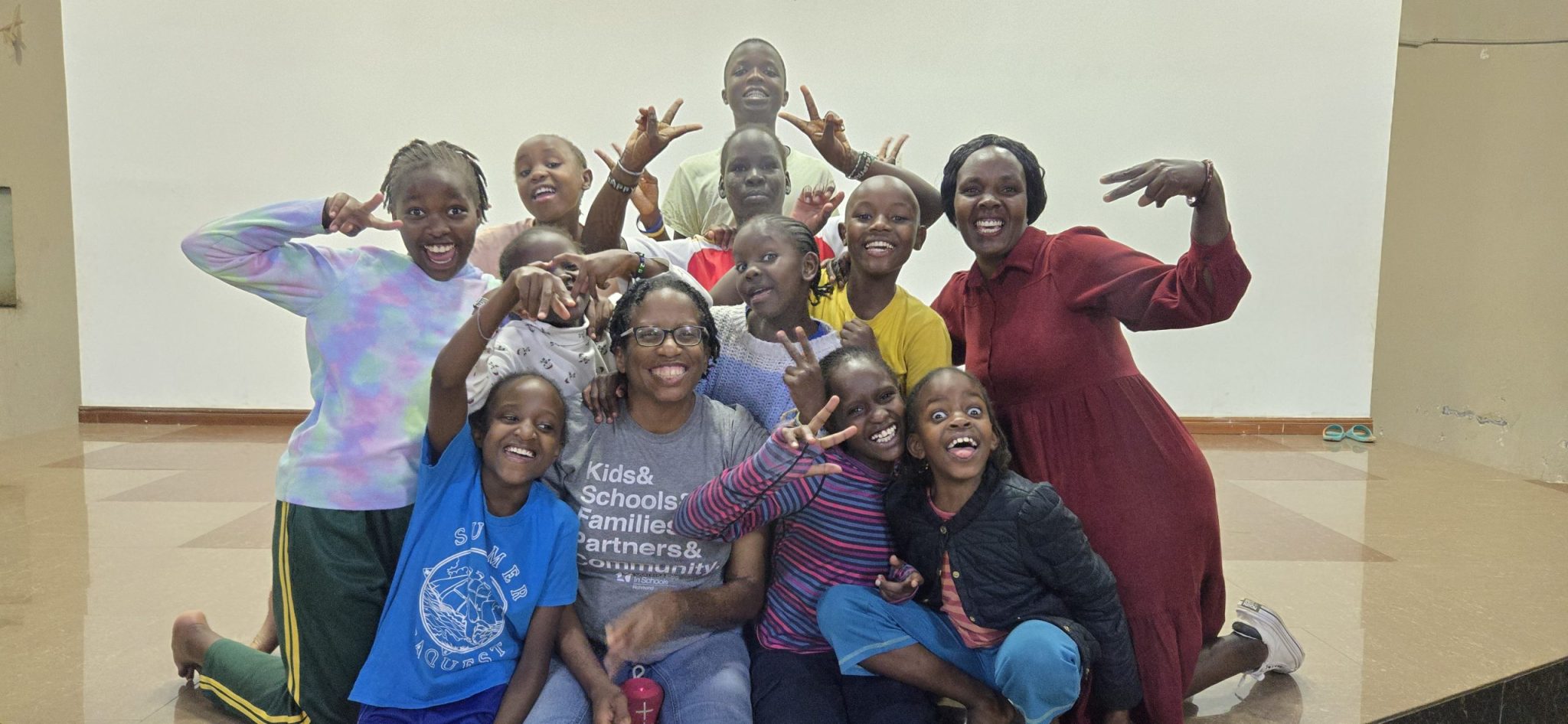
I also began thinking differently about the kinds of moments that remain with children. A playful song or a movement from a dance could stay with them long after the larger event surrounding it had passed. I could never have predicted in 2018 which experiences would still be remembered eight years later, and hearing the children bring some of those memories back to me changed the way I thought about the time I was spending with them in 2026.
Those moments of solitude during this visit became even more meaningful. Reading Joto la Moyo with the girls did not lead to a stage, and many of the conversations around the Children’s Home were never connected to something I needed to teach. They simply gave me room to be present with the children, which had been one of the most meaningful parts of my relationship with Happy Life from the beginning.
Leaving in 2026 also felt different because I had now seen what eight years could look like in the life of a child. The little girls I remembered from Nissi House were older, while the babies I had seen at Roysambu were now walking around Happy Life with personalities I could begin to know for myself. Some of the young people I once knew as children were already looking toward life beyond high school, and seeing those changes made the passage of time impossible to overlook.
My hope is to return in 2027, not because I want to recreate what happened in 2018 or repeat everything we did in 2026. I want to return while these relationships are still growing and continue building on the time we have already shared. Whatever I bring with me next time can develop from who the children are then, rather than from an attempt to hold them in the place where I last saw them.
Happy Life has taught me that relationship does not remain frozen between visits. Life continues for the children and for the adults who care for them, while new relationships are also beginning. Returning gives me the opportunity to keep learning who they are instead of allowing years of distance to become the only thing connecting us. After seeing what eight years had changed, and also what somehow remained, I left Juja Farm knowing very clearly that I do not want another eight years to pass before I return.
Learn More About Happy Life
Happy Life Mission’s work extends beyond the music experiences I have shared here. To learn more about Happy Life Children’s Home, its schools, and its work supporting children through rescue, education, and health care, visit the official Happy Life Mission website at happylifemission.org.