Mission to Kenya 2026 | Juja Farm, Kenya | 2 July –24 July 2026
by Kennesha M. Walker
When I returned to Happy Life in 2026, I had already imagined some of what progress in music education might look like after eight years. I was thinking about how many students might be playing instruments, how far they might have progressed in reading music, whether ensembles had continued developing, and whether students were still participating at different levels. Those were natural things for me to look for because they were connected to the music program I remembered leaving in 2018 and what I had hoped could continue as new groups of children came through the school.
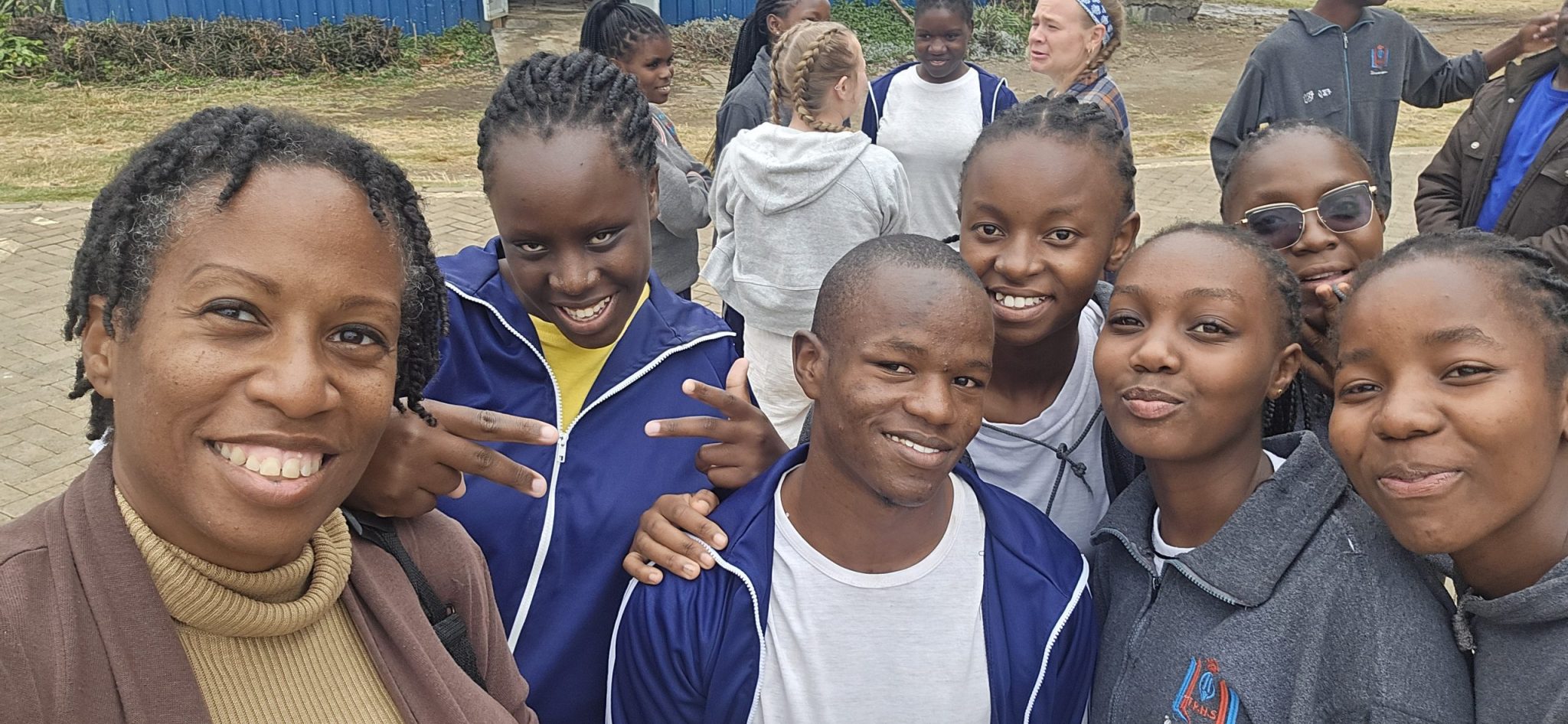
Coming back also gave me an opportunity to see some of the students I had worked with in 2018. Many of them were much older now. Some were juniors and seniors in high school, while others had recently finished high school and were attending university or trade school. I remembered many of them as younger children who had participated in choir, instrumental music, dance, and the different musical experiences we shared while I was there.
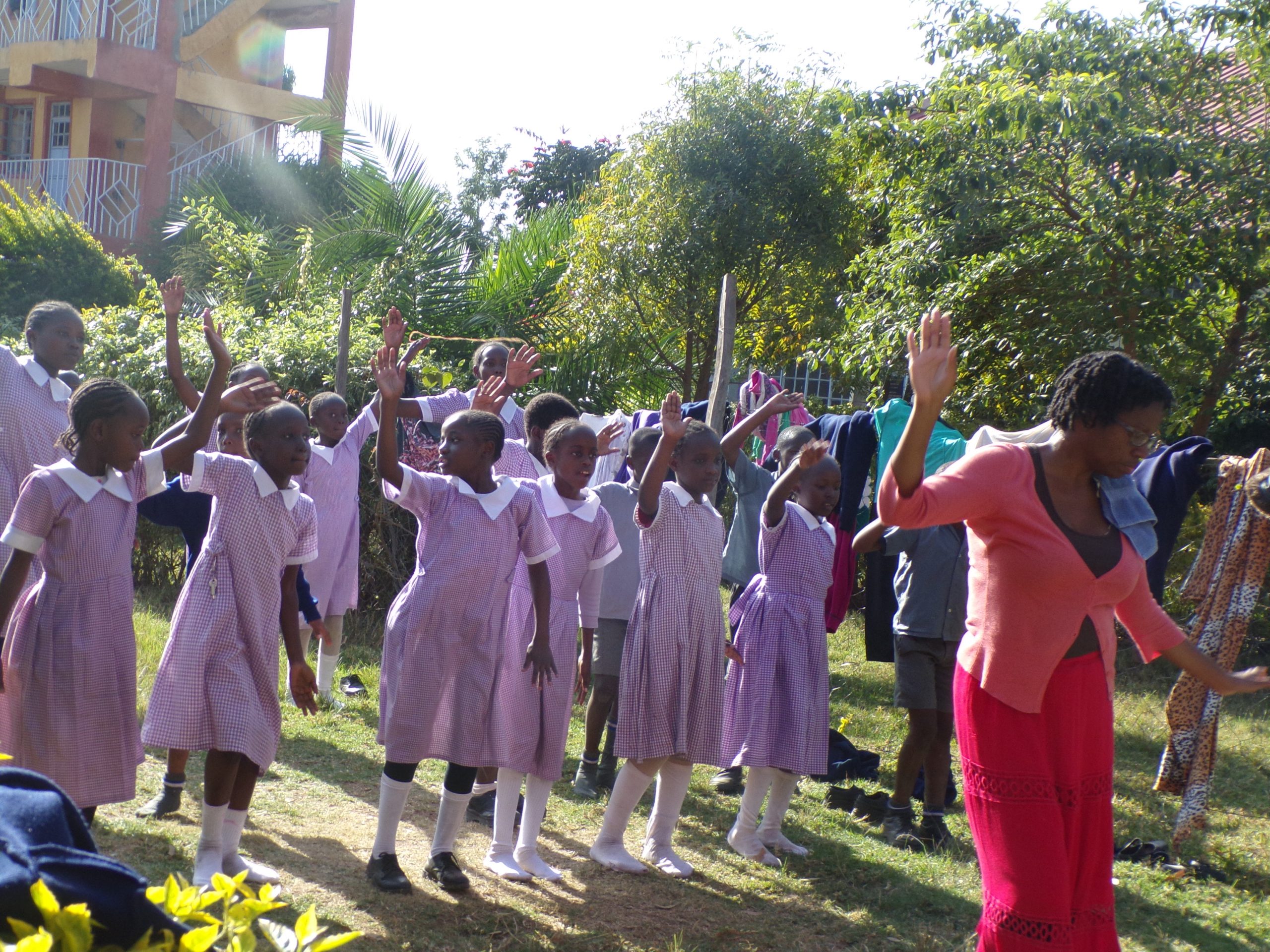
One of the things that meant the most to me was realizing how much of the music they still remembered. Some of the girls from the children’s home who were also students of Happy Life Christian School sang songs I had sung with them years earlier. Both the boys and girls remembered dances and movements I had taught them for the Kenya Music Festival. There were even songs they remembered that I did not immediately remember myself. I was also told that after I returned to the United States in 2018, some of the choir songs continued to be sung by those same children for years as they were growing up.
Learning that gave me another way of looking at what had happened while I was away. The students had continued singing the music even though I was no longer there, and some of those songs had remained part of their experience growing up at Happy Life. Hearing them again in 2026 brought back memories for me, but it also showed me that the music had become something they remembered and continued sharing beyond the time when I was physically there teaching them.
Seeing the students again gave me another perspective before I had the opportunity to fully understand what had happened with the music program during those eight years. The formal structure may not have developed exactly as I had imagined, but the musical experiences had still remained with many of the students who were part of that first season. For me, that became an important place to begin as I started learning more about where music education at Happy Life was in 2026.
What I Thought I Was Building
When I think back to the work I did in 2018, I know that I was not only thinking about what I could teach while I was physically at Happy Life. I was also thinking about what could continue after I returned to the United States. I wanted the students to have an opportunity to keep learning music, and I wanted the teachers who came after me to have something they could use to help make that possible.
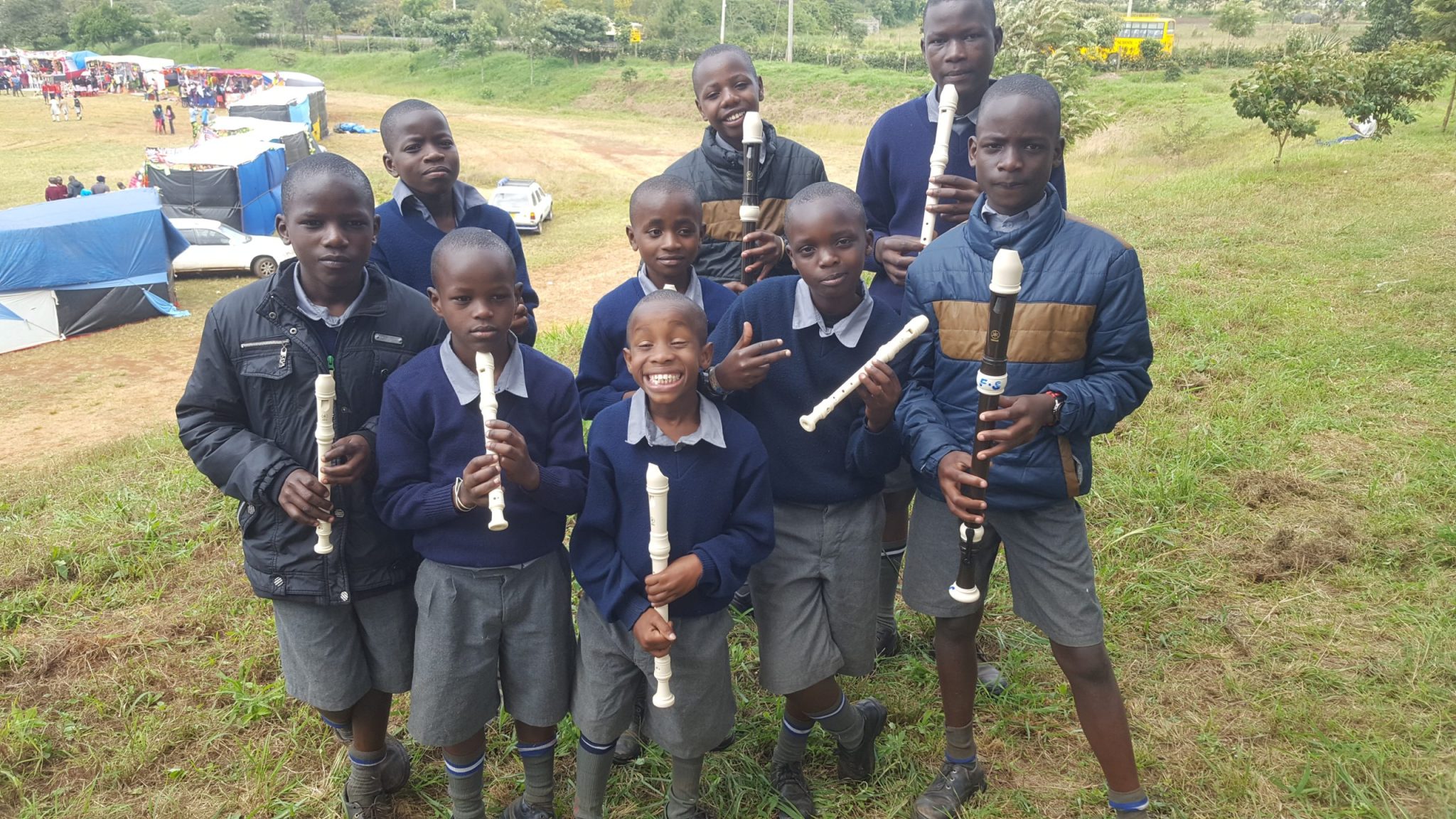
I had already seen some of that foundation begin to take shape through choir, recorder and instrumental instruction, and participation in the Kenya Music Festival. Students were moving from learning basic musical concepts into ensemble and performance experiences, which helped me believe an after-school program could continue giving future students similar opportunities to grow.
My work was also happening during a period of change in Kenya’s education system. Music existed within the national education structure, but under the 8-4-4 system it was no longer a compulsory or examinable subject at the primary level, and Kenya was beginning its transition into the competency-based curriculum.
At Happy Life specifically, Music and Creative Arts were not being taught during the regular school day in the way I later saw them being taught in 2026. The curriculum I developed was therefore intended to support an after-school music program, not replace something already happening during school hours. It gave students another opportunity to learn music fundamentals, begin reading music, play instruments, sing together, and prepare for performance experiences.
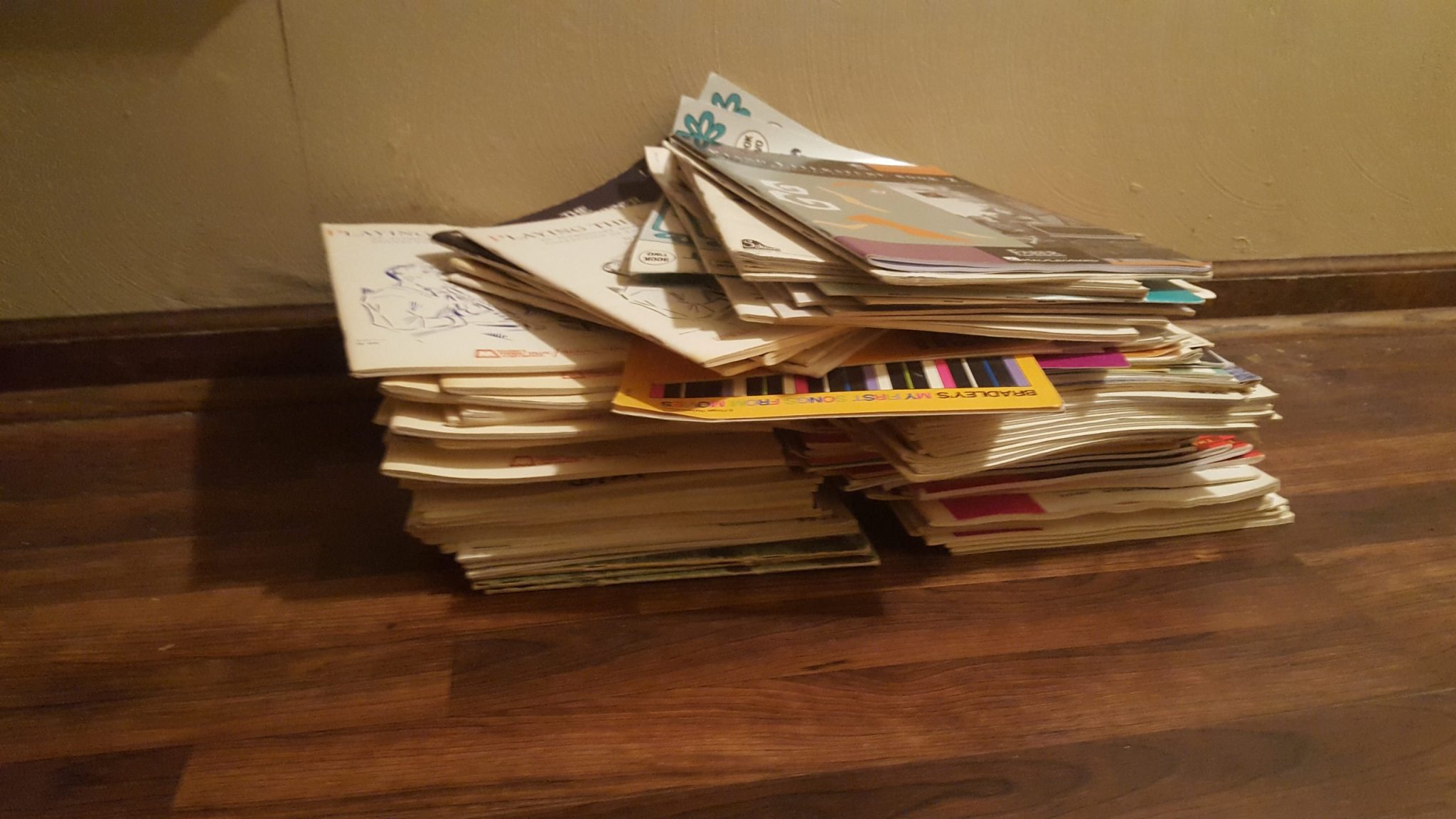
The materials I left were part of how I hoped that work could continue. I wrote curriculum, organized instructional resources, and left sheet music at different levels. Some students had already begun learning note values, basic notation, and keyboard skills. I also spent a great deal of time documenting what we had done because I did not want everything to depend on someone remembering what I had taught or trying to recreate it later. I wanted the teachers to have something written that they could refer to as students continued developing their skills. At the time, I believed the curriculum, resources, documentation, and teachers connected to the program gave the work a good foundation for continuing. I still believe documenting it was the right decision.
Music Had Not Disappeared
Coming back eight years later also meant understanding that a lot of life had changed while I was away. Happy Life had continued growing, which meant there were more students, more responsibilities, and more areas that needed attention. I was glad to learn that the music materials I left in 2018 had been protected and that some of the curriculum had been used after I initially returned to the United States. I was grateful to know that the work had been preserved and that the original materials were still available for the teachers and leadership to use rather than having to begin all over again.
As I spent more time at Happy Life Children’s Home and School, I also realized that music had not disappeared. It had taken a different shape from what I remembered in 2018. The school had developed a clubs program that met during school hours on Wednesdays, with music as one of the options available to students. The minister of music from the mission’s main church location was involved with the music club, and a local saxophonist was also helping with instrumental instruction. Music was being taught during the regular school day through the Creative Arts curriculum by a licensed teacher.
What encouraged me most was seeing how much support there was around the vision. The principal, Teacher Peter, wanted students to have opportunities to develop their talents and skills, and the teachers working with music were passionate about what they were doing. They did not need me to come in and become the person responsible for the program. There were already people there who cared about the students and wanted to see the music grow.
My perspective on the return began to shift as I saw more of what was already happening. Instead of focusing on what I thought should have been there by 2026, I could begin looking at what was there and how the resources from 2018 could support the teachers working with the students now. I was not able to go through everything with them during the time I had there, but the conversations had started. We could begin connecting the earlier work with what Happy Life was already doing and continue those conversations after I returned to the United States.
Making Sure Students Had an Instrument
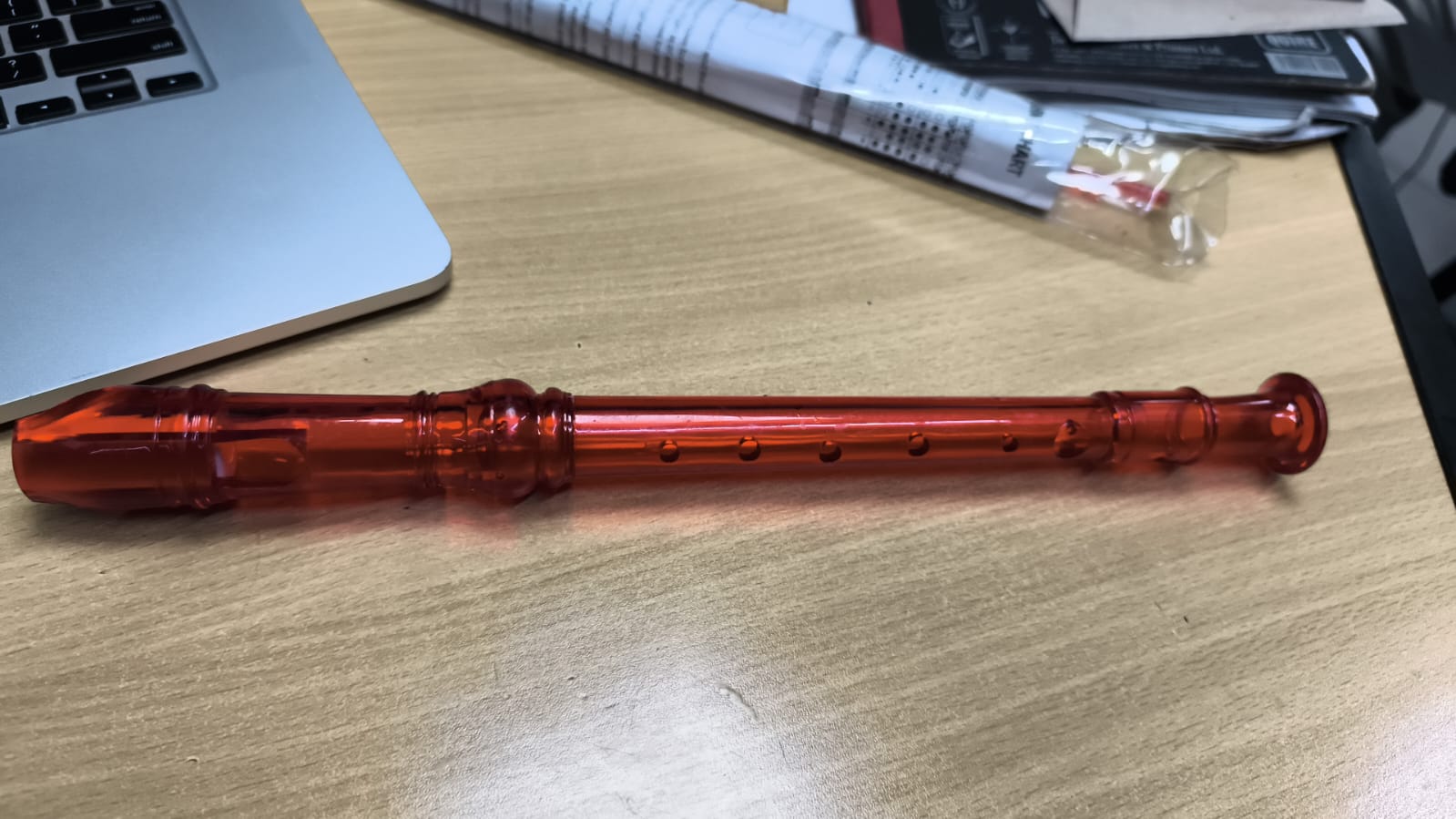
Adding Creative Arts to the regular school program for music also brought a challenge that had not been anticipated before the school year began. This was Happy Life’s first year incorporating music through the Creative Arts curriculum during the regular school day, and the teacher responsible for that instruction was in his first year at the school. By the time I arrived in the middle of the school year, some students had instruments and others did not. At times, students without recorders used pencils to practice their finger placement, but they still needed their own instruments to participate fully without having to share recorders.
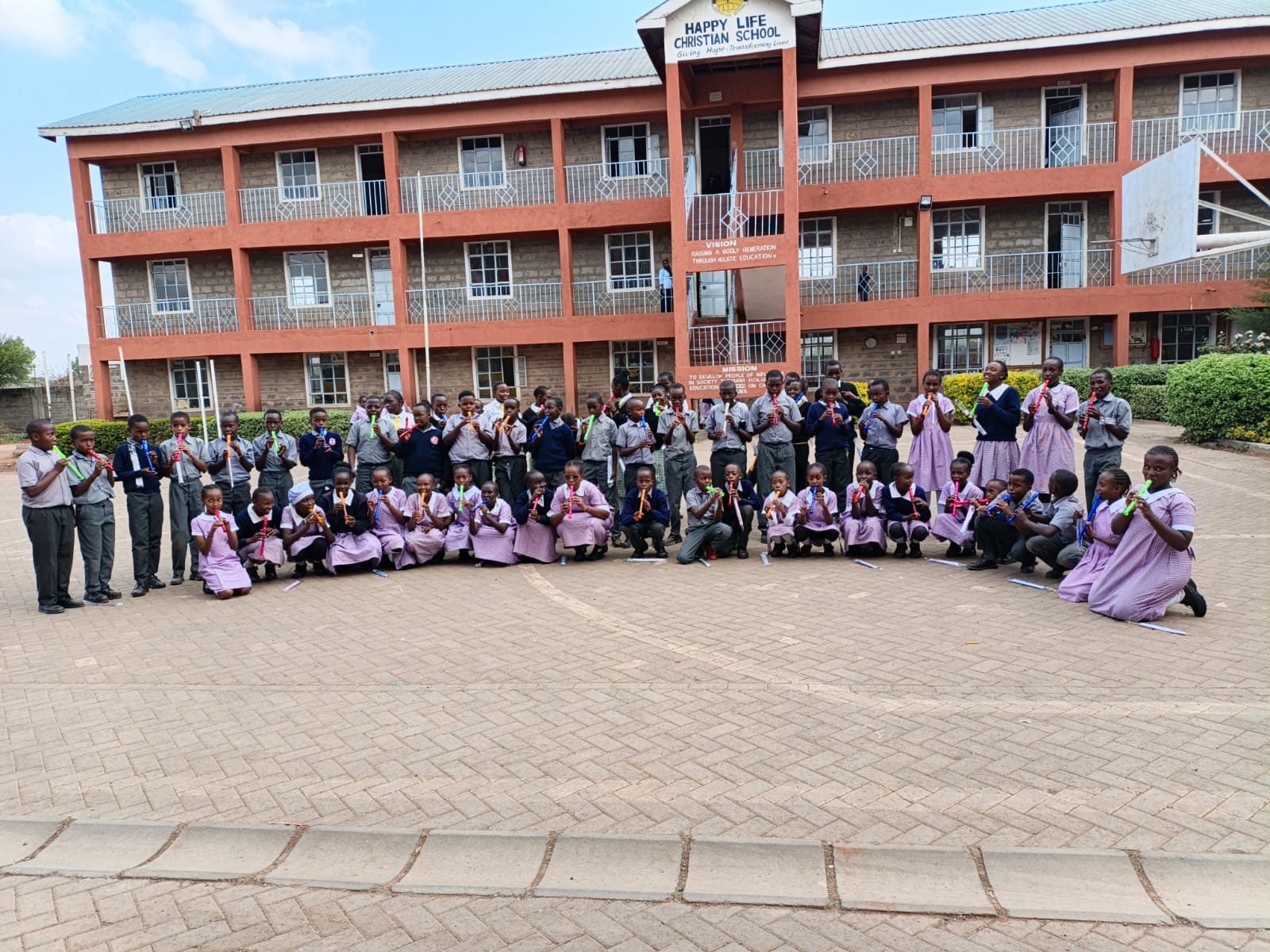
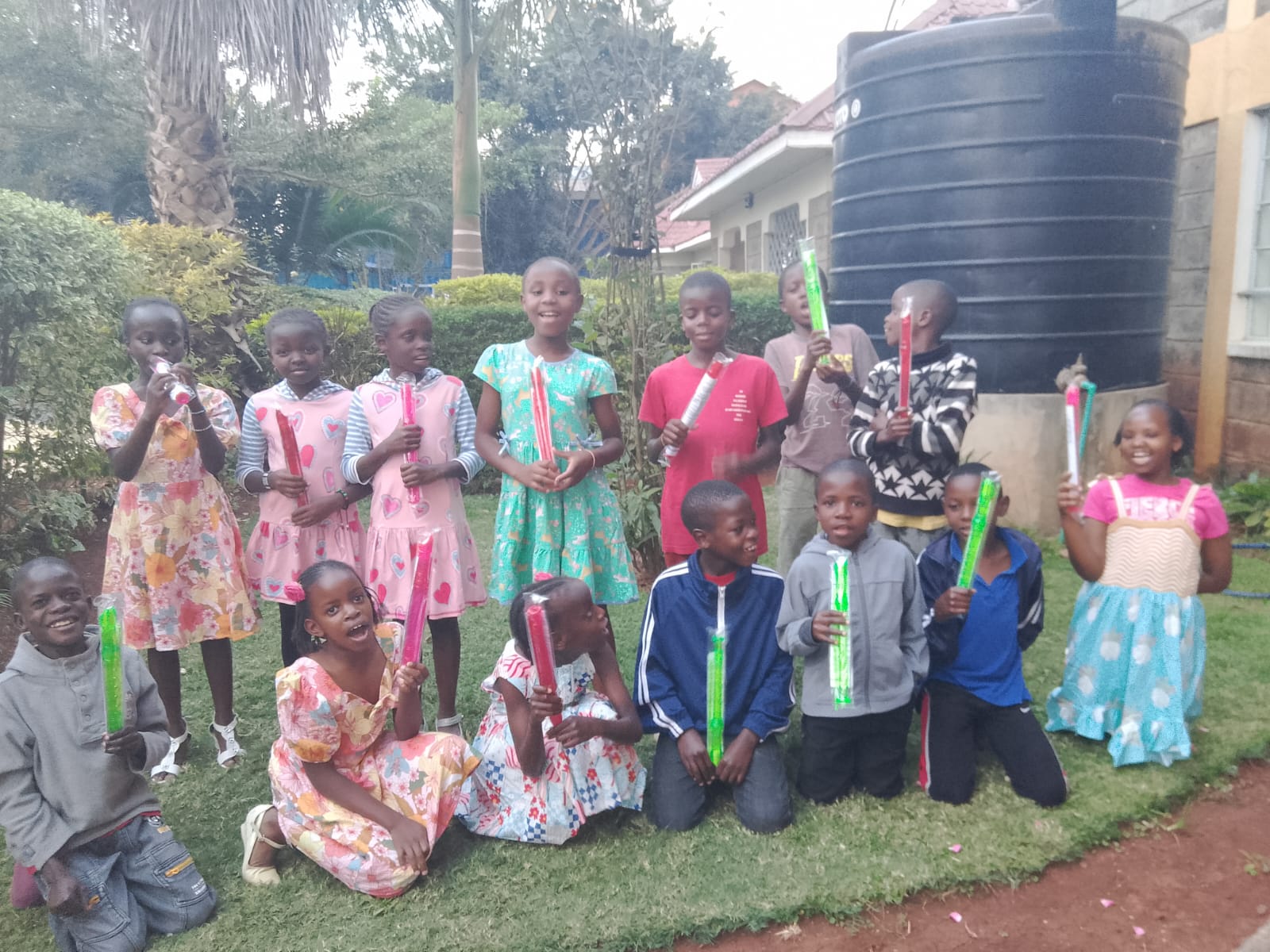
I initially purchased 20 recorders and worked with the music teacher to identify students who needed them. I quickly realized that the need was much larger when one class alone nearly required all of the recorders I had purchased. I shared what was happening through Facebook Live and social media and asked others to help while I was still in Kenya. Since the recorders could be purchased locally for less than three U.S. dollars each, even smaller contributions could make a difference. The response provided enough support for another 100 recorders. Combined with the 20 I had already purchased, 120 students were able to receive individual recorders, with 25 additional recorders available for the school as the program continued. Altogether, 145 recorders were provided to help support music instruction at Happy Life.
For me, the support was about more than purchasing instruments. It helped remove a barrier during the school’s first year of music instruction and gave students a better opportunity to participate in what their teachers were already building.
A Few Recorder Sessions Showed Me What Was Possible
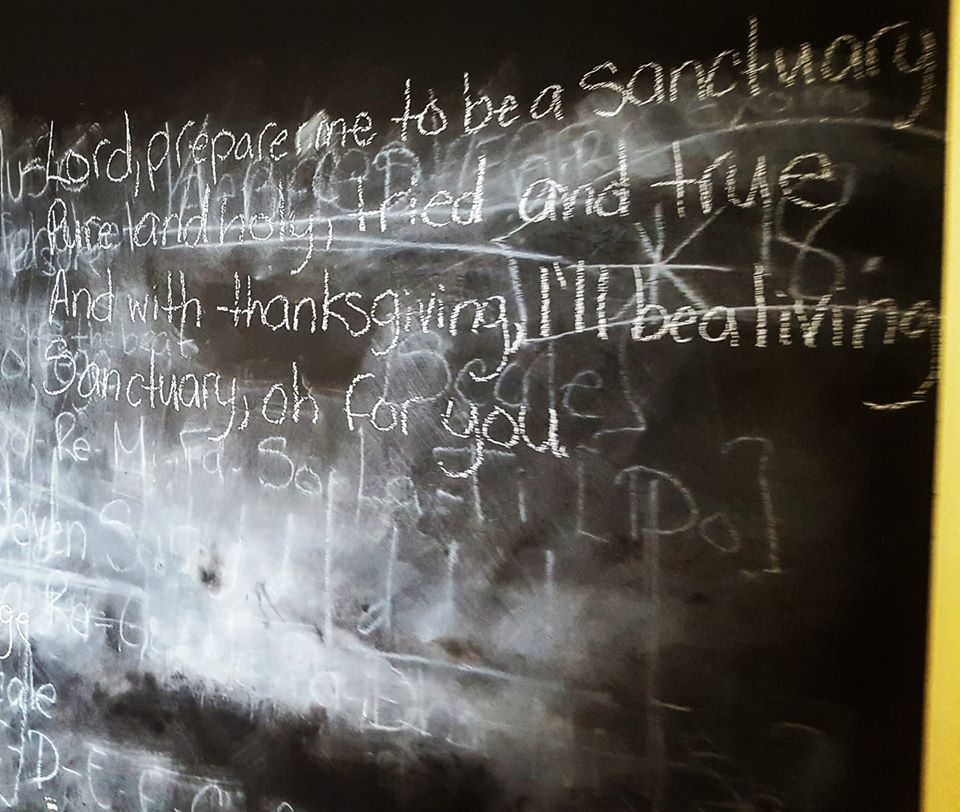
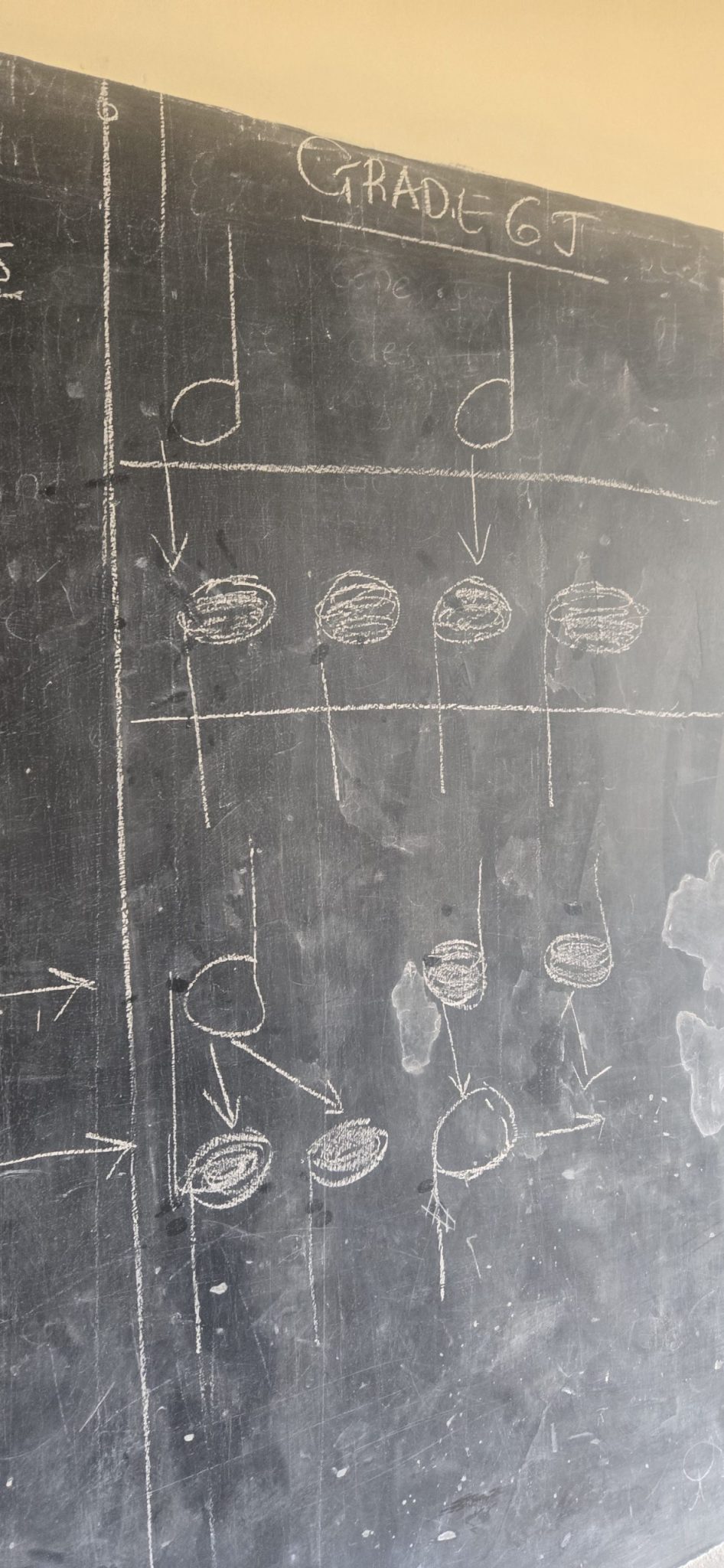
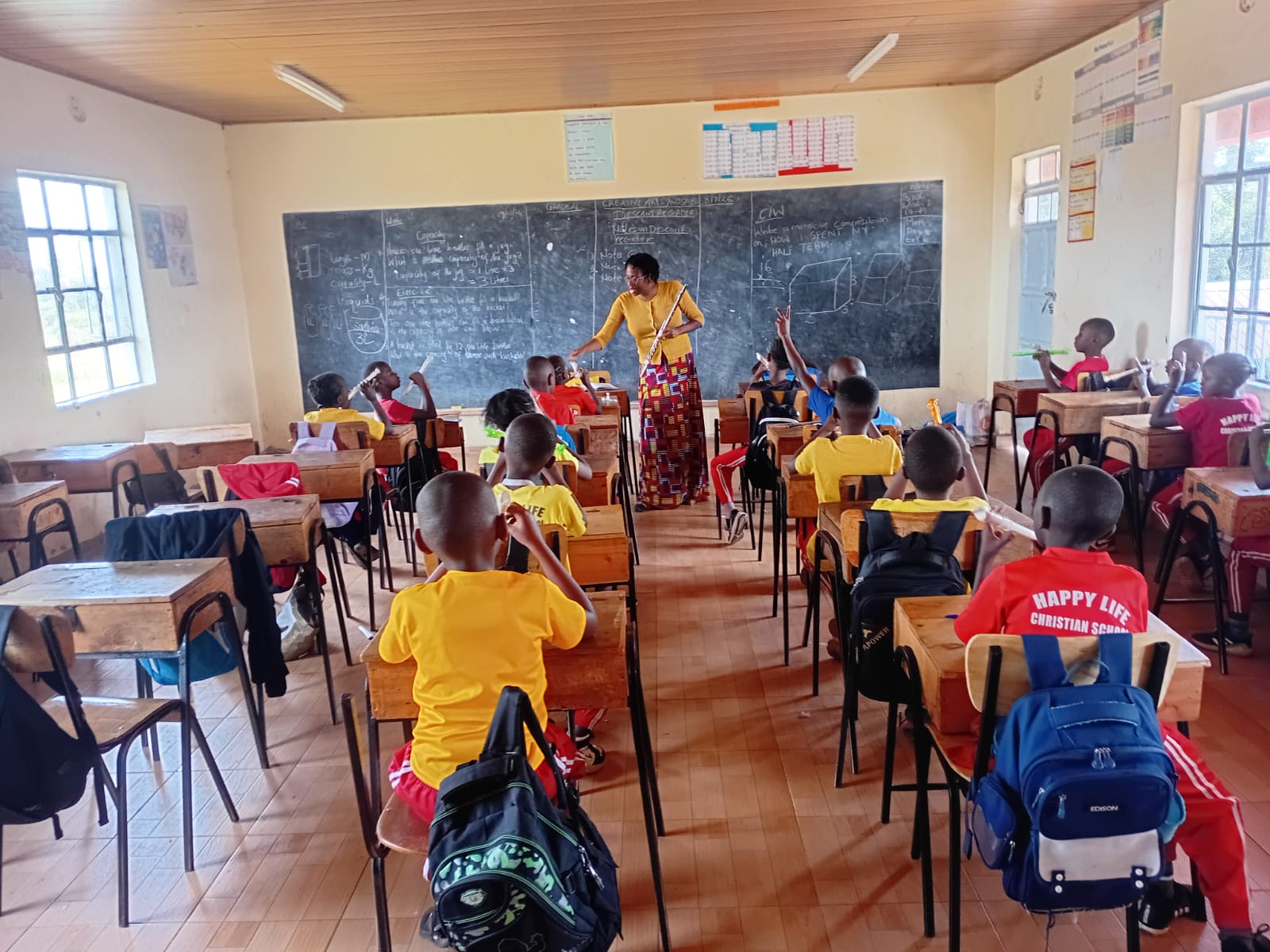
One of the opportunities I had while at Happy Life was working with a group of students in Grades 4 through 6 who had already been identified by their music teacher as students who could progress at a faster pace. He had been working with them throughout the school year and knew their abilities much better than I did. My time with them became a way to build on what he was already seeing and give the students an opportunity to move a little further with the recorder. Our time together was short. We had only a few sessions, and each one was less than 30 minutes, so I had to work within what the students already understood and make the most of the time we had. They were not yet reading notes independently from the staff, so I wrote the letter names of the notes on the board along with their note values. This allowed us to work on fingering, rhythm, counting, tempo, and playing together without spending most of the session introducing something they had not yet reached in their regular music instruction.
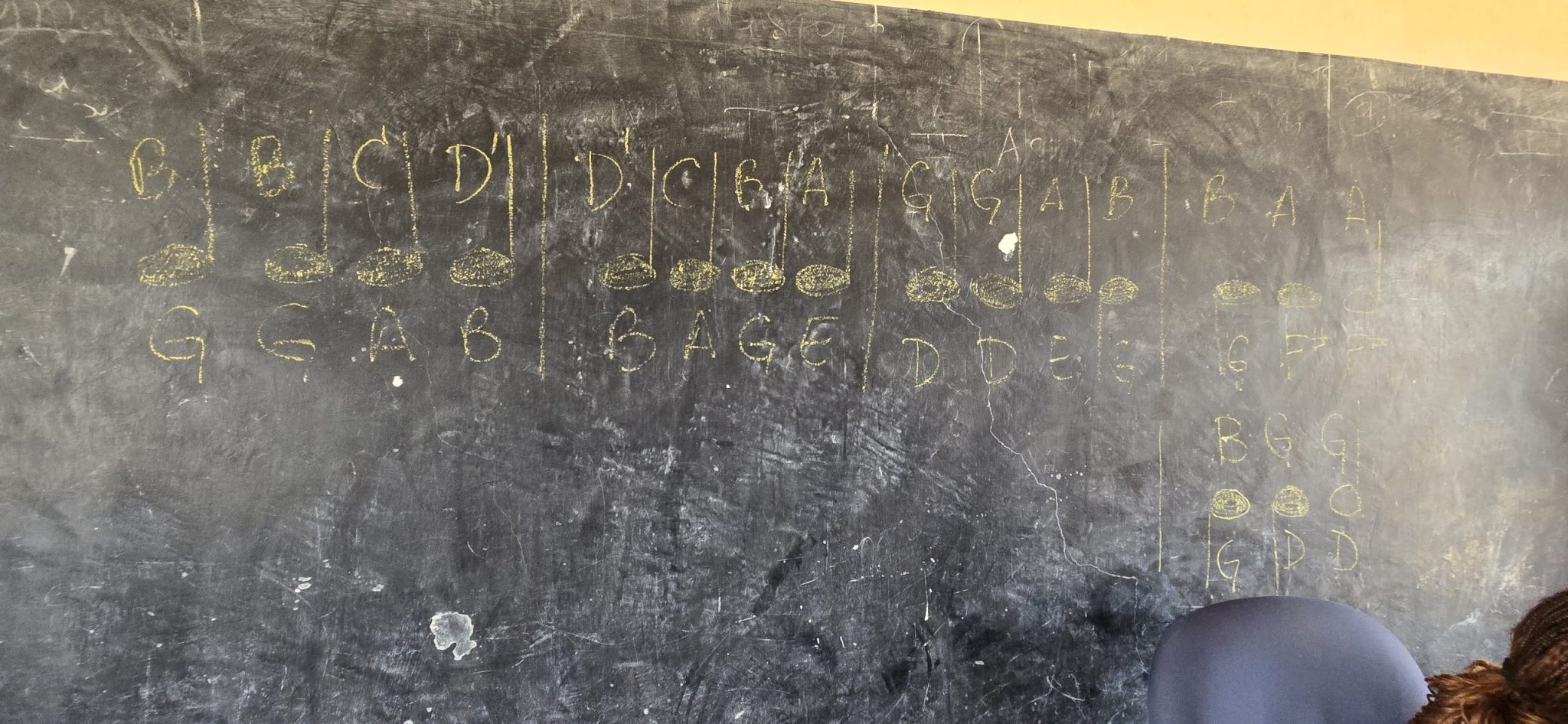
The students responded quickly as I introduced additional notes. They were able to apply the new fingerings while also paying attention to the value of each note. I could see that they were not only memorizing where their fingers needed to go. They were beginning to connect what they were seeing on the board with how long the notes needed to be played and how those notes fit within the music. One of my favorite moments came while we were working on “Ode to Joy.” I divided the students into two groups so that one group could play one part while the other played a different part. Instead of everyone playing the same melody together, they had to listen to another note being played beside them while continuing to hold their own part, and they were able to do it.
Seeing them play in harmony in such a short amount of time was encouraging, especially because this was still very early in their recorder instruction. They listened, stayed with the notes they had been given, and began experiencing what it meant to contribute one musical part to a larger sound. Their ability to do that confirmed what their teacher had already recognized about them and gave me an opportunity to see their potential for myself. I was proud of what they accomplished, but I was also looking toward what could happen next. Their teacher would continue working with them after I left, and the short time we had together gave him another place from which he could continue developing their skills.
The experience also helped me see the recorder differently within the larger vision for music at Happy Life. It was not simply an introductory instrument students could learn for a class or performance. The recorder could become one of the places where they begin developing the musical foundation they will need for what comes next.
Kennesha leads a classroom music lesson with Fast Tracks students at Happy Life Children’s Home & School in Juja Farm, Kenya, with the song Ode to Joy.
Why the Recorder Matters Beyond the Recorder
The more I thought about the recorder, the more I saw how useful it could be as part of a larger music program at Happy Life. It gives students a practical way to learn music fundamentals through group instruction while developing skills that can later support other instruments and ensembles. Happy Life already has some modern instruments available. Some students are learning instruments such as saxophone, and the school also has bass guitars, flutes, and other instruments that can support future development. Some are already being used, while others need repair or more consistent instruction before they can be used more widely. More students need the musical foundation first, which will prepare them to use modern instruments later.
The recorder can become one of the places where that preparation begins. Students who develop more quickly can move into recorder ensemble work and continue strengthening their skills before gradually transitioning into other instruments. Other students can continue developing at their own pace until they are ready for the next level. This also gives teachers another way to recognize where students are and what they may be ready to do next.
Students practice reading notes, fingering, rhythm, and playing together as they strengthen the foundational skills needed for continued musical development.
One of the things that matters most to me within that progression is music literacy. Learning a song is important, but I also want students to understand enough of the music that they can apply what they have learned to something new. During the recorder sessions, using note letters and note values gave the students a way to work within what they already knew. As they continue developing, I want them to gradually move from those supports toward reading standard music notation more independently.
The same foundation can support choir, keyboard, and other instruments. Choir students can learn to recognize pitches, understand rhythm, and hear how their part fits with other voices, while keyboard can help students connect written notes with the pitches they hear. The fingering for the recorder will not be the same as flute, clarinet, saxophone, or brass, but the basic language of music can continue with them as they move into something new.
My hope is not simply to see more students holding instruments or performing songs they have memorized. I want them to understand the music well enough that what they are learning becomes a skill they can continue using, whether they remain with the recorder, join the choir, move to keyboard, begin another instrument, or eventually become part of a larger ensemble.
Students at Happy Life in Juja Farm, Kenya, stand onstage playing recorders together while their instructor, Teacher Kennedy, directs their performance of “Nothing But The Blood of Jesus”
What Sustainability Means to Me Now
Returning to Happy Life helped me understand sustainability differently than I did in 2018. At the time, I believed documenting the curriculum, leaving resources, and staying connected with the teachers would give the program enough of a foundation to continue. I still believe those things were important, and I would make the same decision to document the work again. The curriculum work was still available for use, which meant we did not have to start over and recreate everything that had already been developed. What has changed for me is understanding that documentation is only one part of keeping a program going. Curriculum still needs teachers who can use it, resources need to be connected with instruction, and communication has to continue as people and circumstances change. I did not think about all of those pieces in the same way when I first left.
Communication is one area where I have already changed my approach. In 2018, I stayed connected with individual teachers and believed those relationships would be enough to help me continue supporting the work from the United States. During my 2026 visit, the director, principal, music teachers, and I were brought together in one WhatsApp group. Having everyone connected in the same place gives us a better way to share information, ask questions, discuss resources, and keep the communication connected to the school even when individual roles change.
My role has also become clearer to me. The educators at Happy Life are the ones working with the students throughout the year, and I do not want the music program to depend on me being physically present in Kenya or on teachers waiting for me to provide their instruction. I can remain connected, share what I know, provide resources when they are helpful, and support the direction of the work while the teachers and leadership continue developing the program over time.
The Program Belongs to Happy Life
Another part of sustainability is recognizing that the music program belongs to Happy Life. The school has its own leadership, teachers, students, goals, and vision for where the program can go. My role, and the role of anyone coming from outside the school to support the work, should be to strengthen what is already being developed rather than take ownership of it or redirect it according to our own ideas. I also believe cultural and educational exchange should begin with listening. Someone coming from another country may have experience, training, or access to resources that can be helpful, but they are also entering a different educational and cultural environment. Taking time to understand what the teachers are already doing, what the school wants to develop, and where support is actually needed creates a better place for collaboration.
“I believe cultural and educational eschange shild begin with listening.”
For me, that kind of exchange should work both ways. Visiting educators can share ideas and specialized knowledge while also learning from the teachers, students, and community they are coming to support. Anything contributed from outside Happy Life should strengthen the direction the school has already chosen and help build something that remains with the school after an individual visitor or supporter is no longer directly involved.
Investing in Music Education
The recorder experience also helped me think more about what it means to invest in music education. Providing an instrument can be an important part of that investment when the instrument itself is preventing a student from participating, which was the immediate challenge we were trying to address with the recorders. But providing instruments by itself does not create a sustainable music program.
The situation with Happy Life’s modern instruments is different. The school already has a number of instruments that were donated about a year or so ago, and some are being used by students who have begun receiving instruction. Others will become more useful as the instructional structure grows, repairs are made where needed, and more students develop the musical foundation required to use them well.
- Sheet music is one of those needs. If students are going to become stronger readers and eventually perform in different ensembles, they need music that allows them to progress through different levels. Repair resources are also important because the instruments already available need to remain in working condition if they are going to continue serving students over time.
- Continued teacher support is another important part of the larger picture. I believe there could eventually be value in funding a music educator who can help work with Happy Life’s leadership and teachers on a two- to three-year development plan that supports instruction, ensemble growth, student progression, and the overall structure of the program.
For me, investing in music education means looking beyond the instrument itself and considering the instruction, music, teachers, maintenance, and structure that allow students to grow. An instrument can provide an opportunity, but the education around it is what allows a student to make meaningful use of that opportunity.
“An instrument can provide an opportunity, but the education around it is what allows a student to make meaninful use of that opportunity.“
A Larger Vision, Built One Stage at a Time
When I think about where music education at Happy Life can go from here, I see the program continuing to grow in stages. The recorder is one part of that beginning, but the larger vision also includes choir, keyboard, smaller instrumental ensembles, performance opportunities, and eventually more developed concert experiences. Some of those areas can continue growing before there is a full band or larger ensemble. A recorder ensemble can give students another opportunity to strengthen their reading and ensemble skills, while choir can continue developing harmony and music literacy. Keyboard can also support that progression by helping students connect pitch, notation, and what they hear. As students become more prepared, smaller instrumental groups can begin forming around the instruments already available at the school. I was able to see a glimpse of what this could look like while I was there.
There were moments when choir, keyboard, bass, and drums were already working together, which helped me see how the different parts of the music program could eventually become more connected as students and teachers have more time to develop them. Performance opportunities can also become part of that growth. During my visit, I saw students participate in a talent showcase connected with the church, giving them an opportunity to perform in front of an audience and work toward something together. The Kenya Music Festival can also continue providing students and teachers with goals to work toward as their skills develop. I do not see competition as the only measure of success, but it can remain one opportunity for students to apply what they are learning and grow through the experience.
Over time, I can see smaller ensembles developing into groups that can perform for school, church, and community events, while larger concert opportunities become possible as more students develop the skills needed to participate. The broader vision shared at Happy Life also includes the development of a performing arts center, which could eventually create even more opportunities for students to develop and share their abilities in music and the performing arts.
I do not expect the larger vision to happen all at once. My return in 2026 helped me understand more clearly that each stage depends on what is developed before it. The work happening with recorder, music literacy, choir, keyboard, and the instruments already available can become part of a much larger program over time as the teachers and students continue building from one stage to the next.
Students at Happy Life in Juja Farm participate in a group instrumental music rehearsal.
What I Hope to See When I Return
When I think about returning to Happy Life in 2027, I am not expecting to see the entire vision already developed. I am looking forward to seeing what has continued since my 2026 visit and where the students and teachers have been able to make progress during that time. I would love to see more students learning music and the recorder work continuing to grow. I want to see students becoming more confident reading the music in front of them, developing better technique, and showing a stronger understanding of rhythm, note values, and how their individual part fits within an ensemble. I would also like to see some students beginning to move forward when their teachers determine they are ready for additional musical opportunities.
For me, progress in 2027 would also mean seeing the teachers continuing the work and making greater use of the resources already available to them. I want to learn what has worked during the year, where they have seen students grow, what challenges they have encountered, and what additional support might be useful as they continue developing the program. I would also love to hear students performing different kinds of music. I want them to experience classical music while also learning and performing music from their own country and culture. More than simply preparing songs for a performance, I hope they are continuing to grow in their understanding of the music and becoming more confident in what they are able to do.
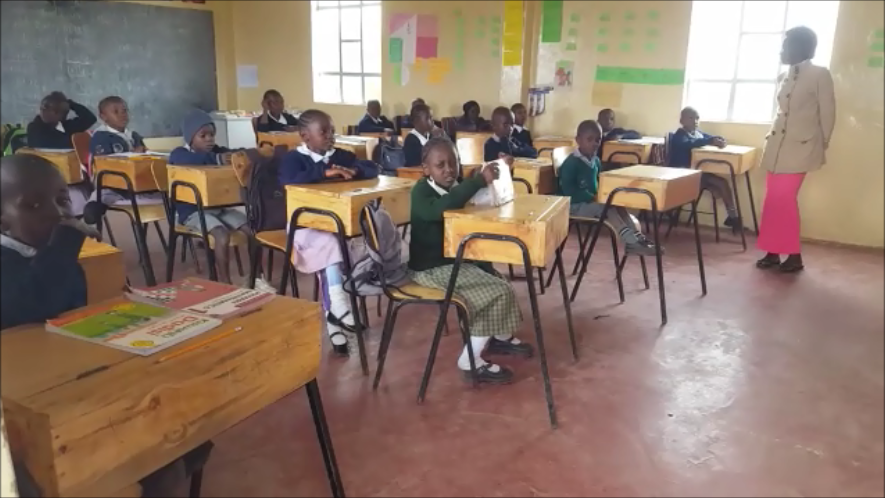
When I left Happy Life in 2018, I thought a lot about what I could leave behind so that more children could continue learning music. Returning in 2026 helped me understand that the curriculum, instruments, and resources are only part of what makes that possible. The teachers, administrators, directors, and others who care for the students and continue supporting their education are what allow those resources to become something meaningful.
I still believe in the vision I had in 2018, but I understand my role in supporting it differently now. When I return in 2027, I hope to see the next part of that growth taking shape through the students, teachers, and the work they have continued throughout the year. From there, we can better understand what the next stage should be as the music program continues to grow with them.
Learn More About Happy Life
Happy Life Mission’s work extends beyond the music experiences I have shared here. To learn more about Happy Life Children’s Home, its schools, and its work supporting children through rescue, education, and health care, visit the official Happy Life Mission website at happylifemission.org.
Photos and Video by Kennesha
Students at Happy Life Christian School in Juja Farm, Kenya, gather in the courtyard holding colorful recorders in front of the school building.